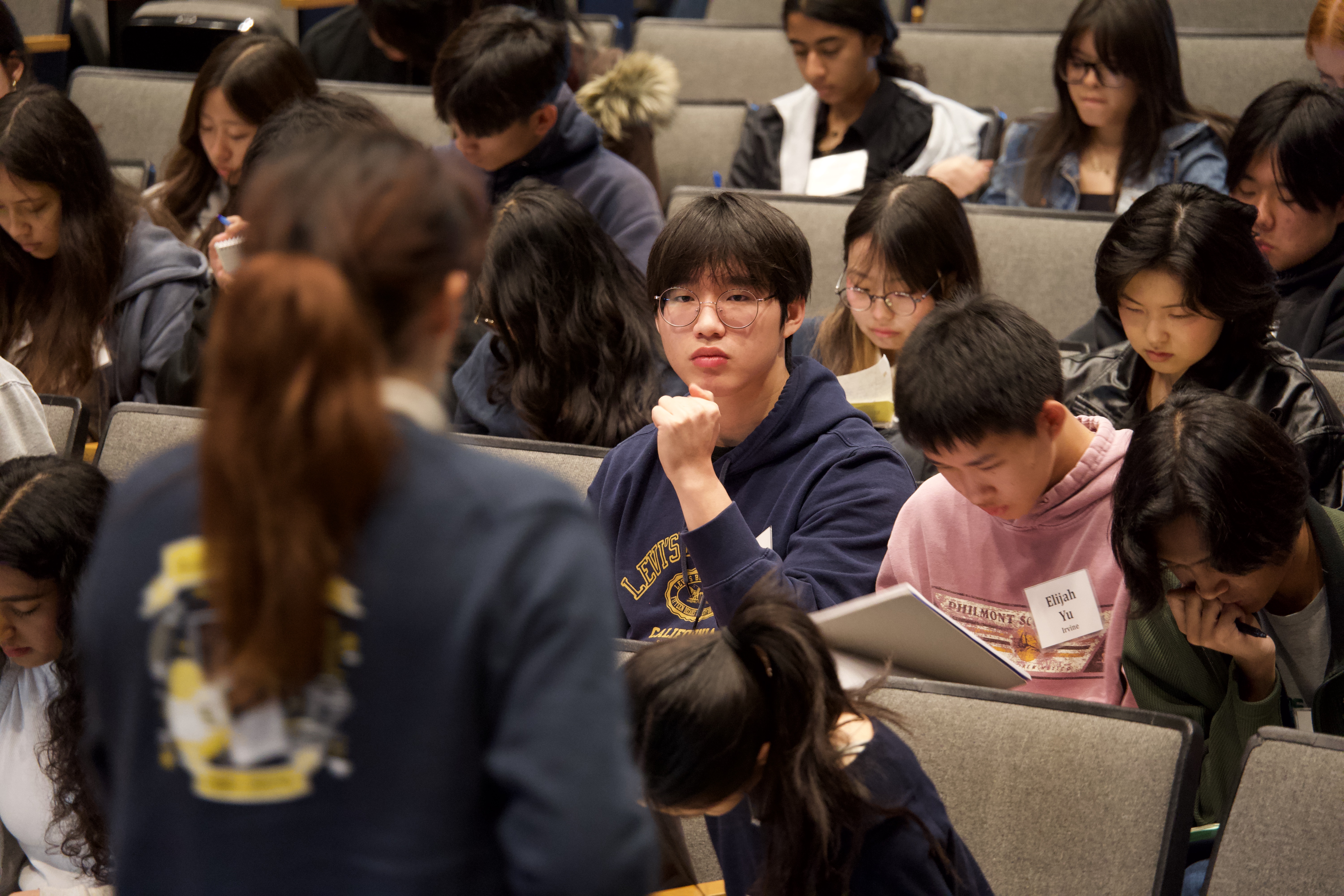
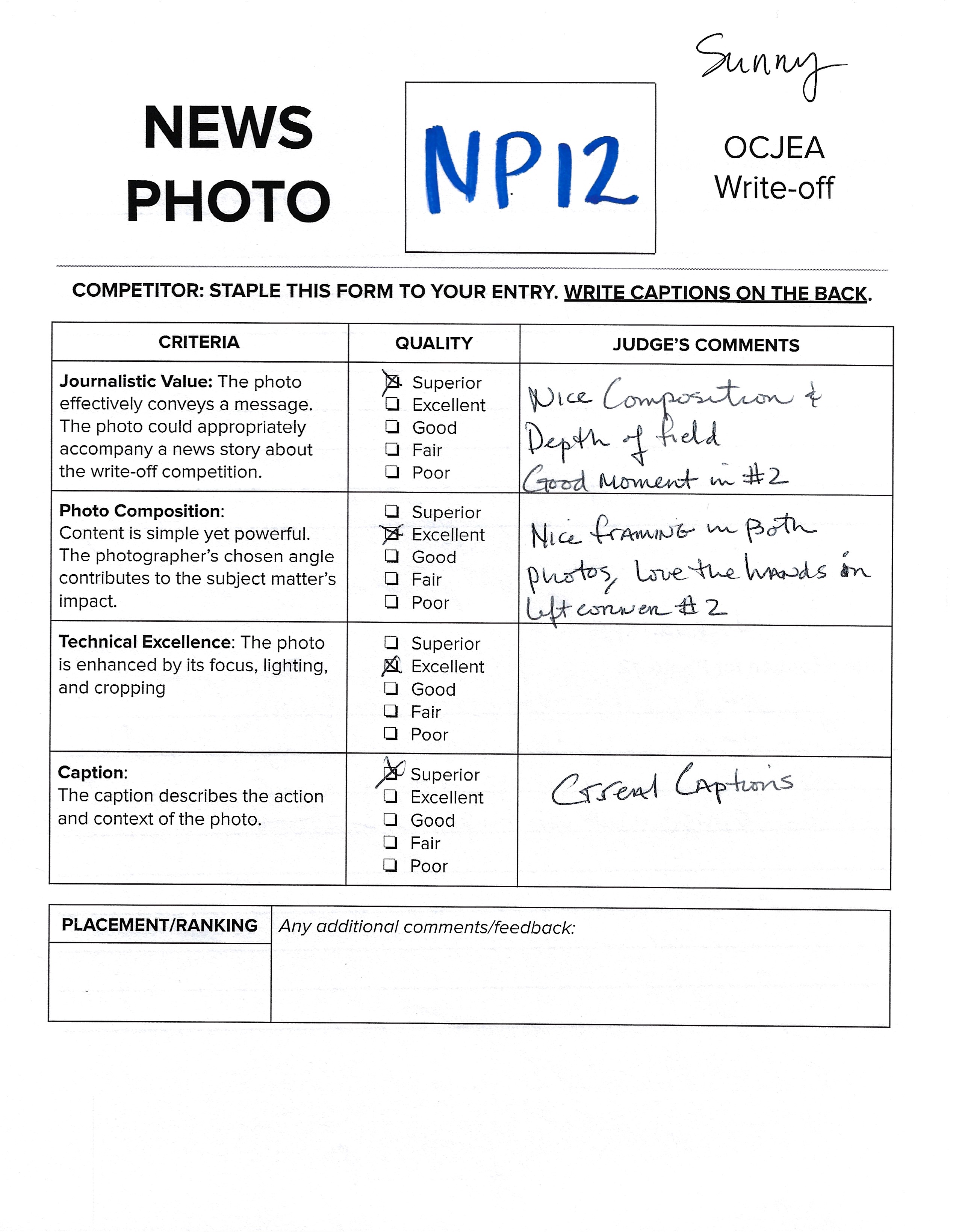
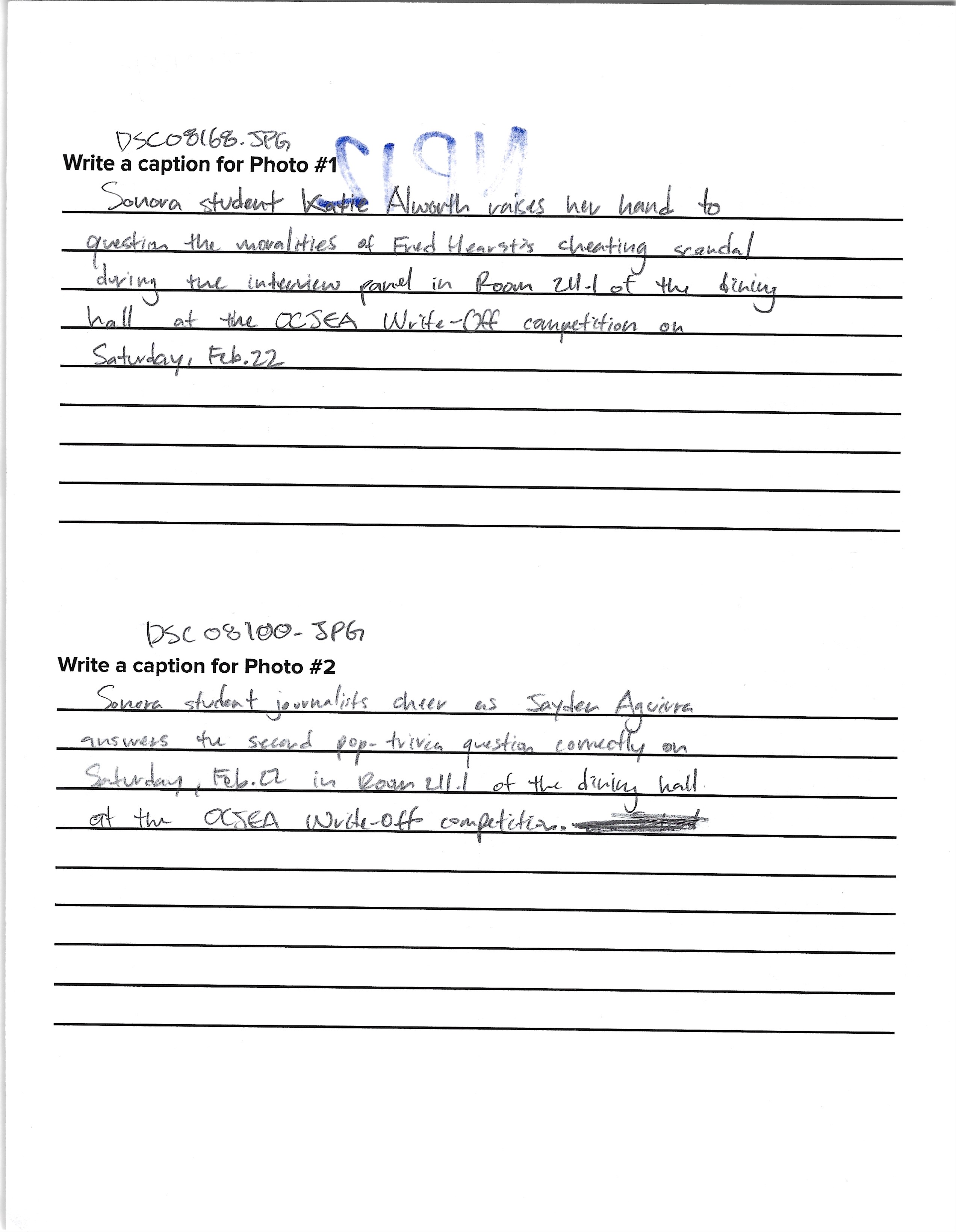
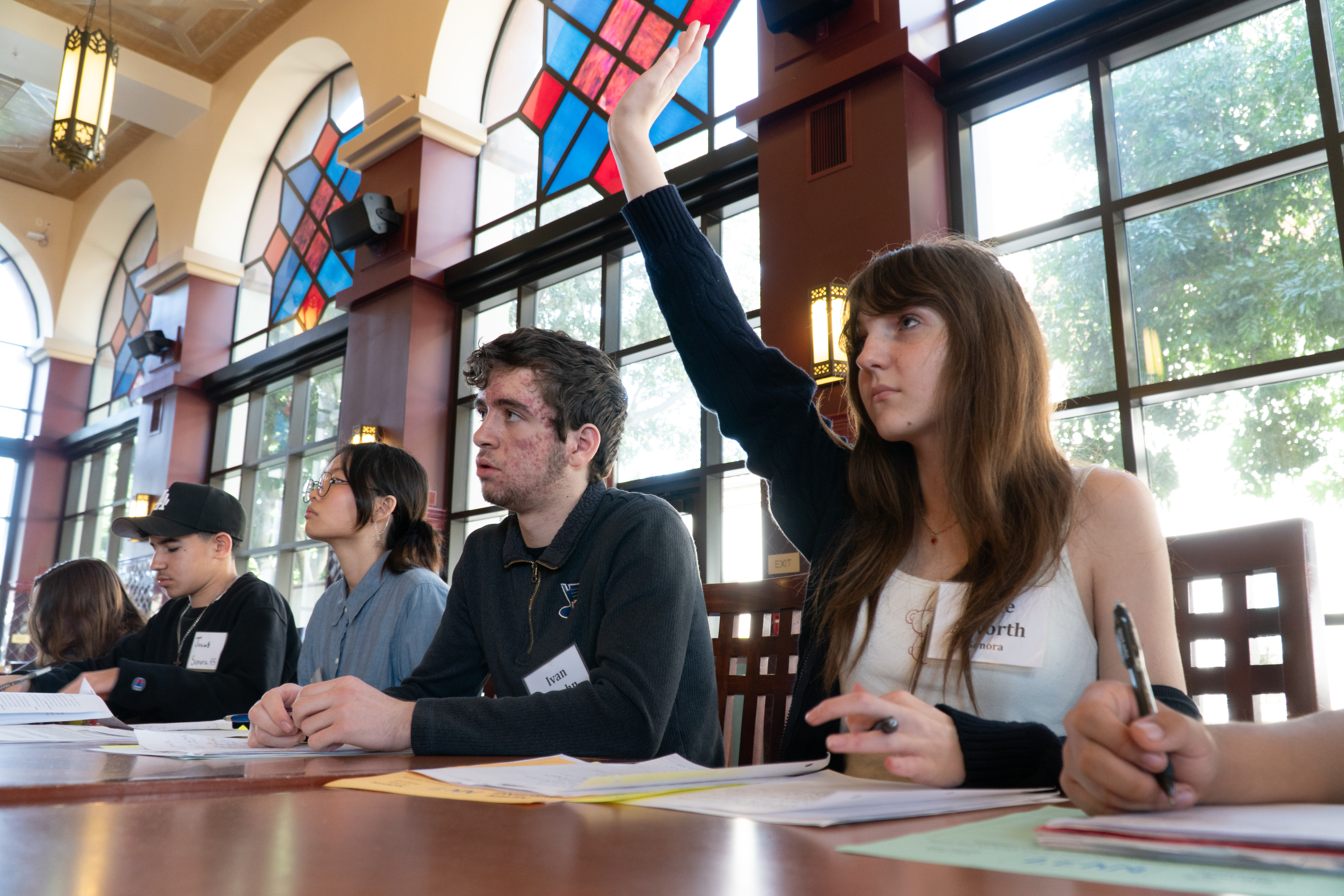
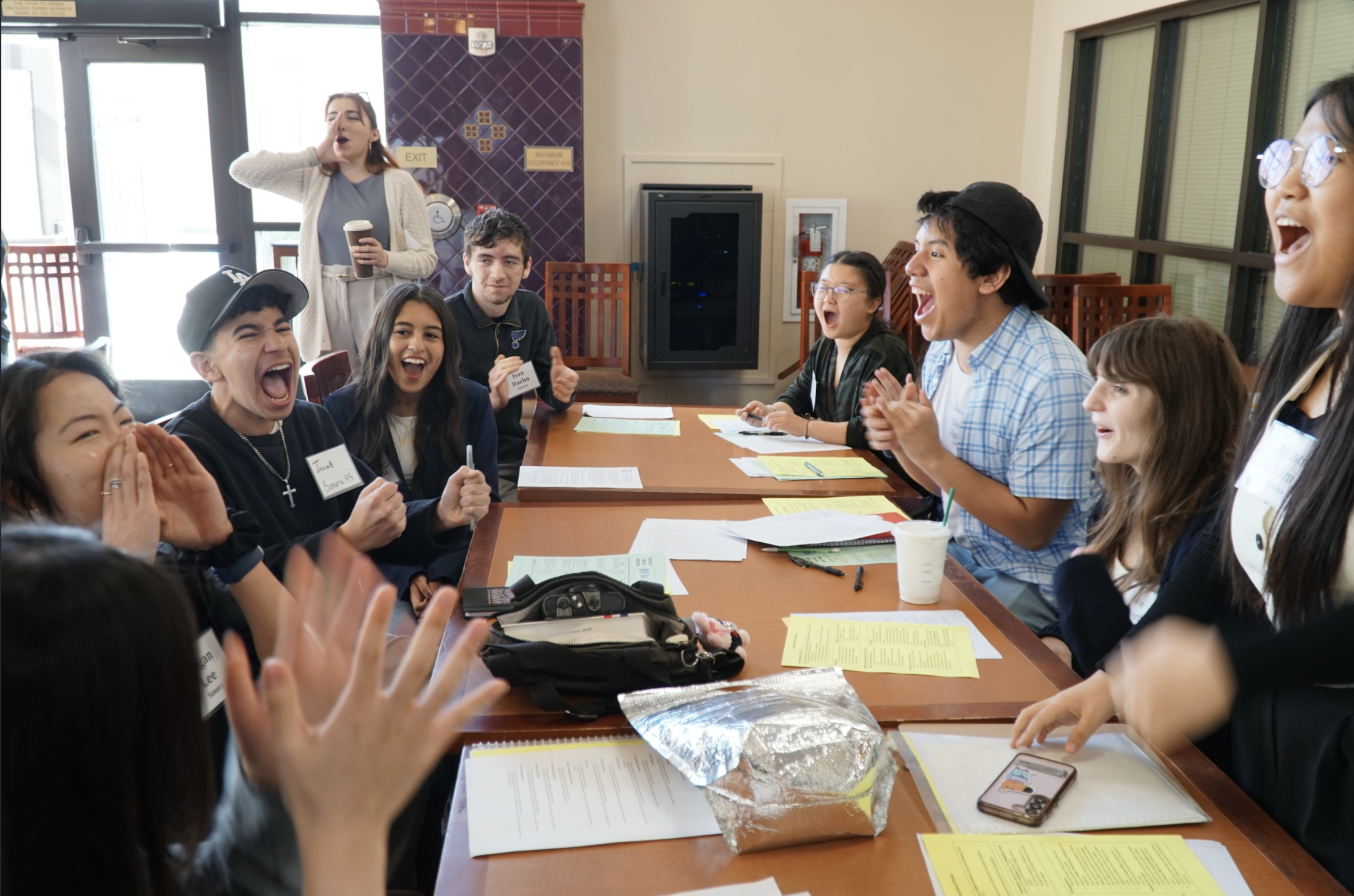
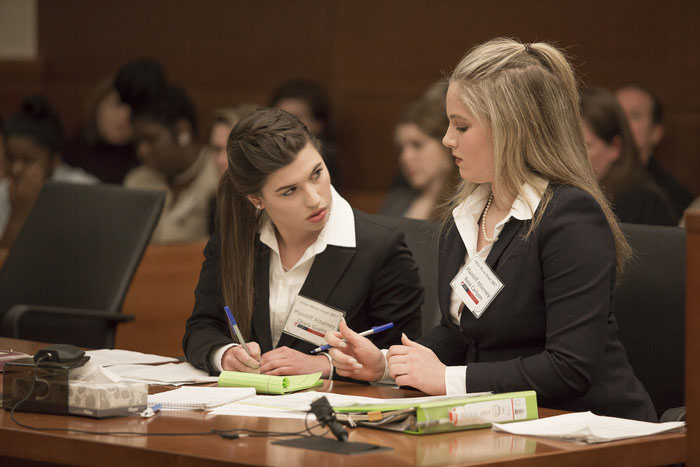
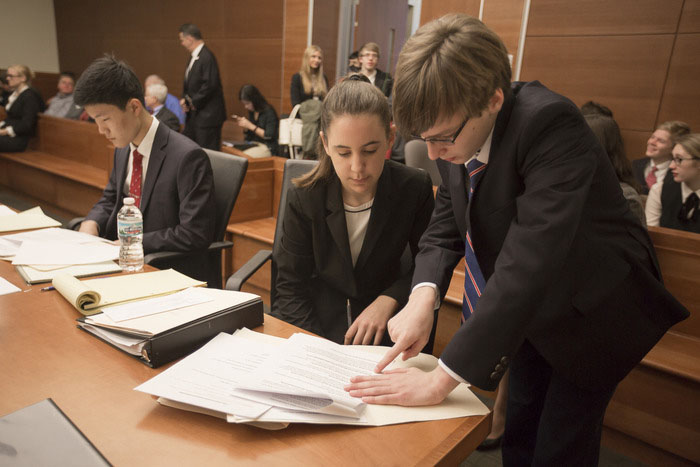
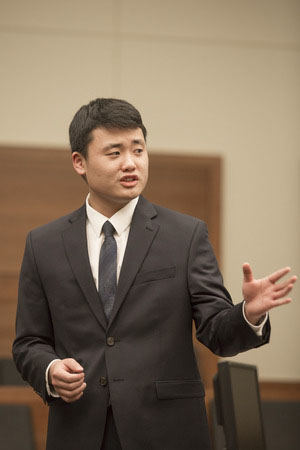
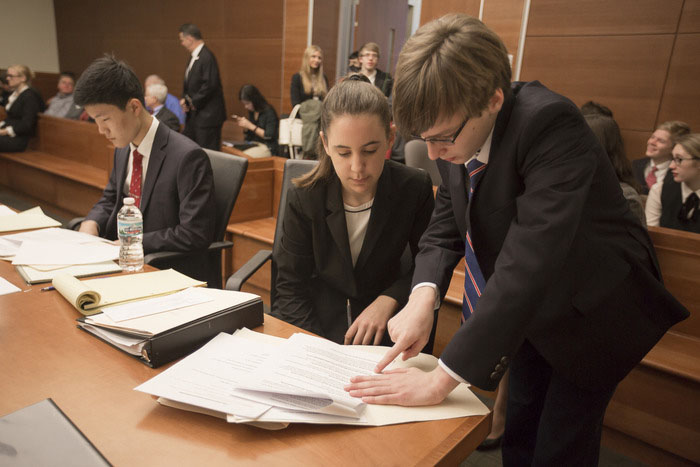
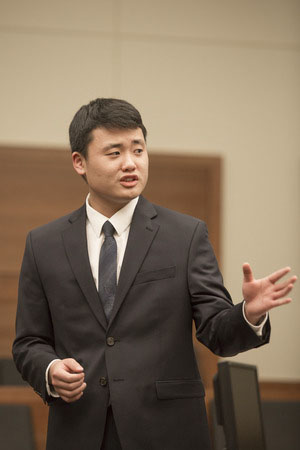
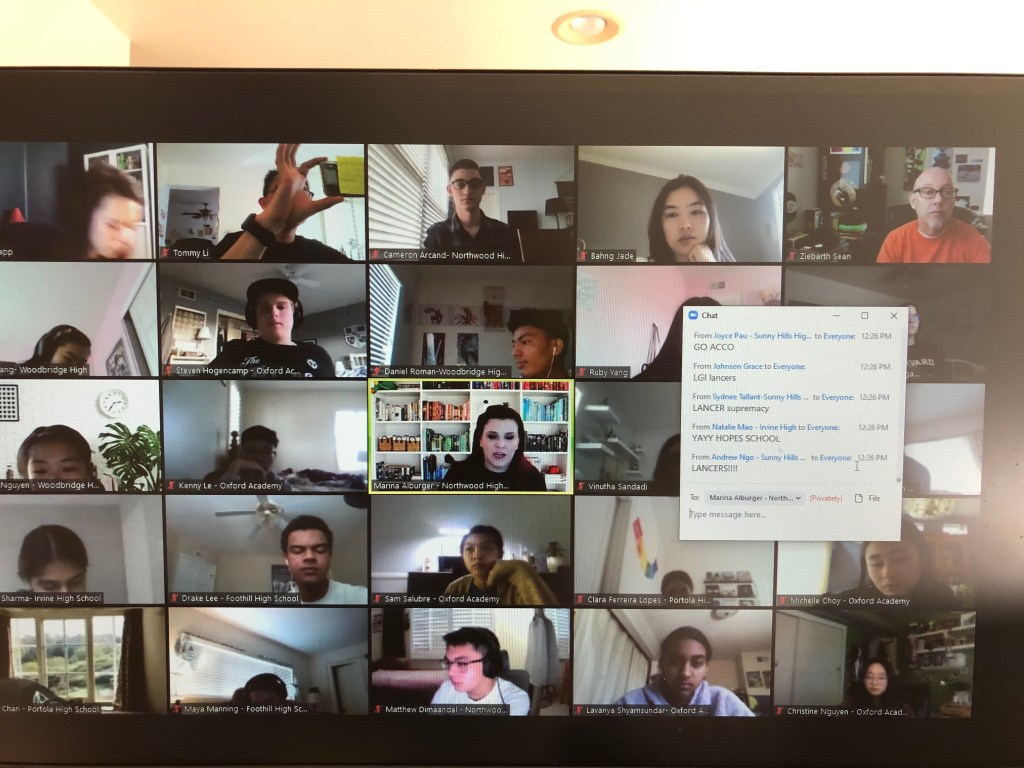
Irvine High School student journalist Ian Shin listens during the mock press conference at Northwood High School on Feb. 21. (Photo by Justin Nguyen | Fountain Valley High School)
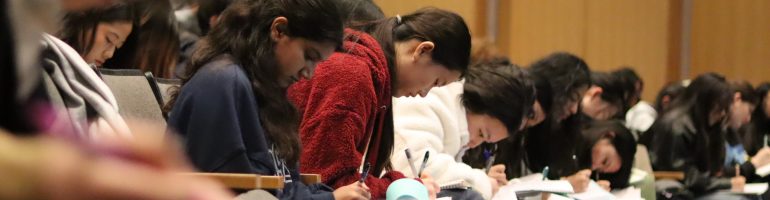
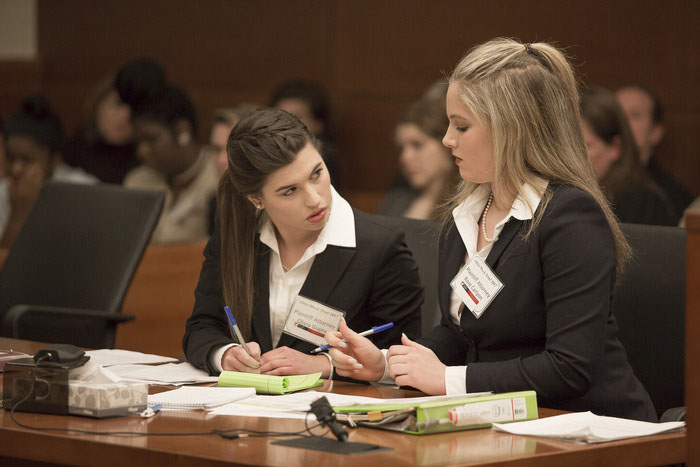
The 2026 OC Write-Off hosted over 200 high school journalists for a slate of timed contests at Northwood High School on Feb. 21.
Fifteen Orange County high schools dispatched students to compete in newspaper and yearbook divisions. Professionals, college faculty and retired educators judged students’ entries in a blind read.
“The Orange County Journalism Education Association is deeply grateful for Northwood High School’s support in hosting the 2026 OC Write-Off. We also appreciate Irvine Unified continuing to support scholastic journalism and our extraordinary students showcasing excellence in writing, photojournalism and design,” OCJEA Board President Daniel Langhorne said.
We thank our generous 2026 Write-Off supporters: KTM Agency and Orange County Press Club.
The SoCal Journalism Education Association will host the State Student Media Contests and is looking for professionals to help judge high school students’ work at Harvard-Westlake School on Saturday, March 14. Please sign-up here.
Students in writing categories will watch a one-hour mock press conference and have one-hour to write a story. Judging and awards will be completed on the same day.
For newspaper and layout competitions, students are required to bring their own laptops or Chromebooks. Contact Thomas Spoth at thomasspoth@iusd.org if your student or school cannot provide a computer for the day of the event. Wifi will be available, but students must have access to their preferred layout software. We also ask that students have access to a non-school issued gmail account in case the event organizers need to share contest materials via Google Drive.
Schools compete in one of two regions — either “North” (those schools west of the 55), or “South” (schools east and south of the 55).
DEADLINES
FEB. 2: FINAL registration deadline
FEB. 11: postmark registration payment
BEST OF SHOW
The Best of Show category is the only event that is not an on-the-spot competition. Schools with digital publications can provide website information on the registration form to compete in Best News Website and Best Podcast. Schools are invited to send two copies of their best print issue newspaper or newsmagazine from the 2025-2026 school year, postmarked by Jan. 27 to:
ATTN: Daniel Langhorne
Sage Hill School
20402 Newport Coast Dr.
Newport Coast, CA 92657
Email Alex Koers at akoers@bousd.us if you prefer to drop off your print submissions in either Brea or Irvine.
HOW TO REGISTER
Click on the link below to register your publication.
PLEASE NOTE that you must register in advance as there will be no day-of, on-site registration.
Please wait to send payment until you receive registration confirmation. Payment must be postmarked by Feb. 11. There are no refunds. However, you are able to switch students between categories and substitute names, if necessary.
Make checks payable to “OCJEA” and send to:
Kimberley Harris Fullerton Union High School
201 E. Chapman Ave. Fullerton, CA 92832
We’re excited to bring the OC Write-Off to a new location. Big thank you to Marina Alburger and Thomas Spoth of Northwood High for being gracious hosts of this year’s Write-Off!
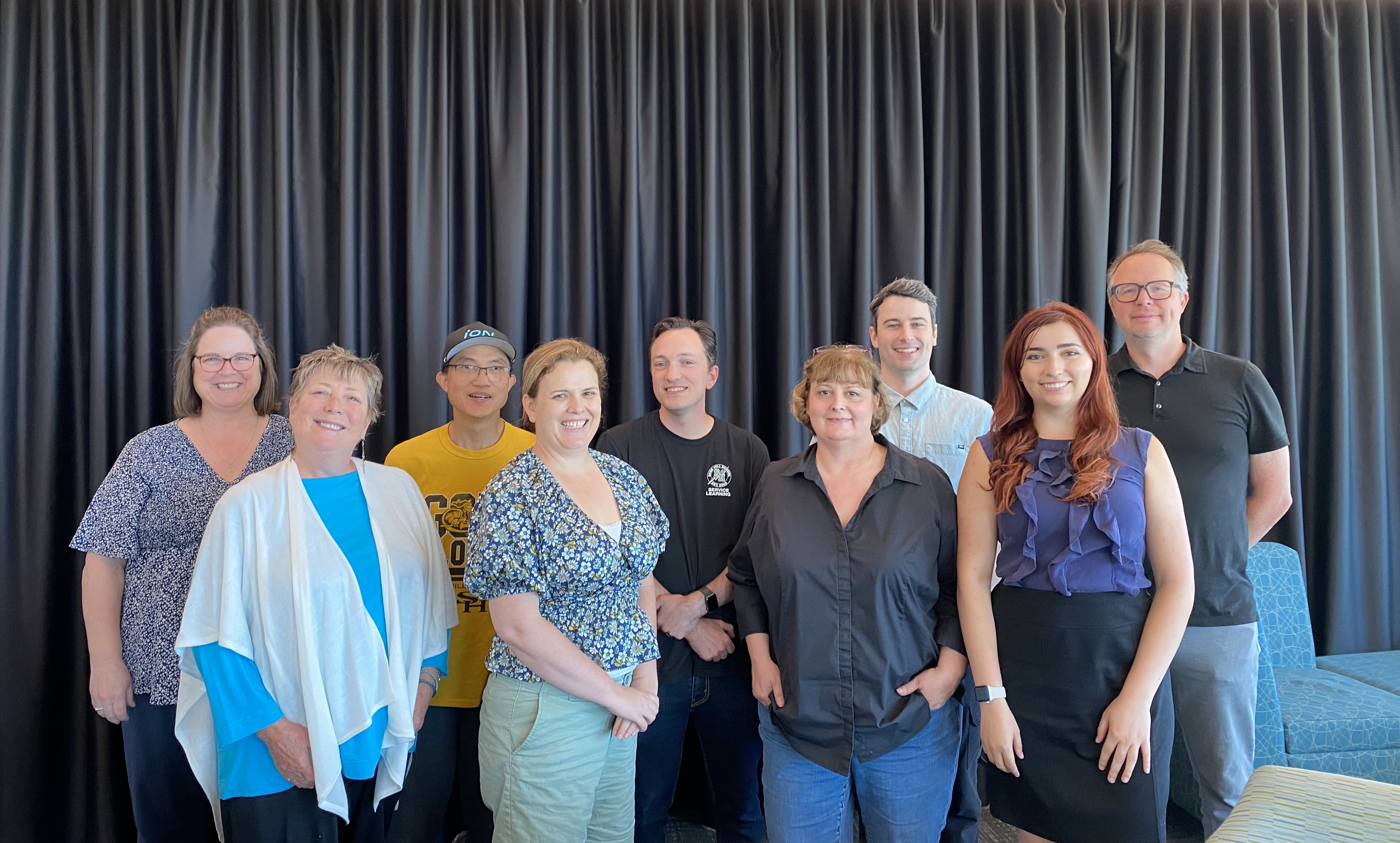
From left: Kristy Takacs, Julie Braun, Tommy Li, Marina Alburger, Daniel Langhorne, Kimberley Harris, CJ D’Innocente, Hannah Adams and Thomas Spoth met at Sage Hill School on July 18, 2025.
The Orange County Journalism Education Board of Directors hosted a 2025 Summer Board Meeting to install a new executive board and plan for the upcoming school year on July 18.
Special thank you to newly retired Sunny Hills Accolade adviser Mr. Li and former Northwood Howler adviser Ms. Alburger for their continued service!
Presenting the 2025-2026 Executive Board President: Daniel Langhorne – Adviser to The Bolt at Sage Hill School VP of Registration: Alex Koers – Adviser to The Wildcat at Brea Olinda High School
VP of Contest Development: Hannah Adams – Adviser to Raider Chronicle at Sonora High School
Treasurer: Kimberley Harris – Adviser to Tribe Tribune at Fullerton Union High School
Secretary: CJ D’Innocente, Adviser to The Accolade at Sunny Hills High School
OVERALL COMMENT FROM ONE OF THE ONLINE JUDGES: I was impressed by the ambition and scope of stories — from breaking news about school threats to enterprise stories on cafeteria waste to in-depth profiles of noteworthy alumni. Also, there were very few grammar or AP Style errors across the board — well done! Keep working on frequency of posting to fit the needs of an online audience, and when you are writing your leads, try a few approaches in order to find the best angle to hook readers’ interest or get at the most important news of the story.
COMMENT FROM ONE OF THE PRINT BEST OF SHOW JUDGES: “As in the past, and maybe even more so this year, picking winners proved to be a difficult task. All entries are extremely impressive and worthy of awards. As well as covering important school events, you reported on the bigger world beyond campus and how it affects you and your peers. I hope some of you go on to make journalism your careers. Democracy needs you.”
We’re excited to share some news about the Write-Off’s restructuring. To give more students an opportunity to qualify for the SoCal JEA State Media Competition, the OCJEA board voted to split the Sweepstakes into North County and South County divisions. With support from the Orange County Press Club, we’re buying two new Sweepstakes trophies that will annually be up for grabs starting in February. Anyone with questions about this change can email ocjeanews@gmail.com.
Special thank you to Jessica Langlois, Fullerton College Professor of Journalism and Journalism Department Coordinator, for her continued support of the Write Off!
BACKGROUND Imagine you are designing the front NEWS page of the Everywhere High School Omni Times, an 11-by-17-size tabloid. Below and attached are the stories and pictures to choose from. Fake text and/or real pictures can be found in the digital storage space that your proctor will explain to you about. You have TWO HOURS to decide how to lay out the stories and pictures using InDesign OR whatever app you’d like to use.
INSTRUCTIONS You must select stories from the list provided, BUT don’t feel obligated to use every single story on your page. Use your NEWS judgment.
Select the photo or photos you feel belong on this page from the sheet provided (a digital version will also be available—the layout instructor will explain to you how to access them). You may crop or enlarge them using Photoshop or any other app on your device as as long as you maintain the proportional shape of the original. You can also do cutouts if you know how. You may use any number of photos. Label your page dummy.
PHOTOS AND ART: On your dummy sheet under each photo, be sure to leave space for a cutline (or captions) with an explanation of what the image is about using filler text. Leave space for photo credit as well. Just make up a name like, “Photo by John Smith” or use whatever photo credit style your publication normally uses.
COPY: Write a key word or slug to indicate each story. Use filler text to show the flow of copy. Make sure to indicate a jump (if necessary).
HEADLINES: Plan to use your school paper’s headline type style or create your own. Give the headline point size and specification (italic, bold, condensed, regular). Write the number of columns, point size and number of lines if you know how (e.g., 3-36-1). Or, you can also just insert the exact headline and point size you want for each story. You may use a 5- or 4- or 3-column layout or vary column width within the page.
Once you are done or when time is up, you MUST SAVE your work and keep the file name the same as your ID NUMBER on your contest sheet. Make sure your CODE is written/typed on all pages: grading rubric (top) and digital layout (bottom). You will be asked to save your work as a PDF and name the file your code number and then turn in your judging sheet to the proctor.
You CANNOT use anything from the Internet to help you with your design. This will automatically disqualify you. See the instructor if you have more questions about this. FINALLY, IMAGINE YOUR FRONT-PAGE NEWS LAYOUT WILL COME OUT ON (DATE TO BE DETERMINED BY CONTEST MAKER). THE KEY ELEMENTS OF THE FLAG, SUCH AS ISSUE NUMBER, VOLUME NUMBER, DATE AND THE SCHOOL’S ADDRESS HAVE ALL BEEN ADDED FOR YOU. YOU CAN CHANGE THE FONT OR POINT SIZE OF ANYTHING ON THE FLAG.
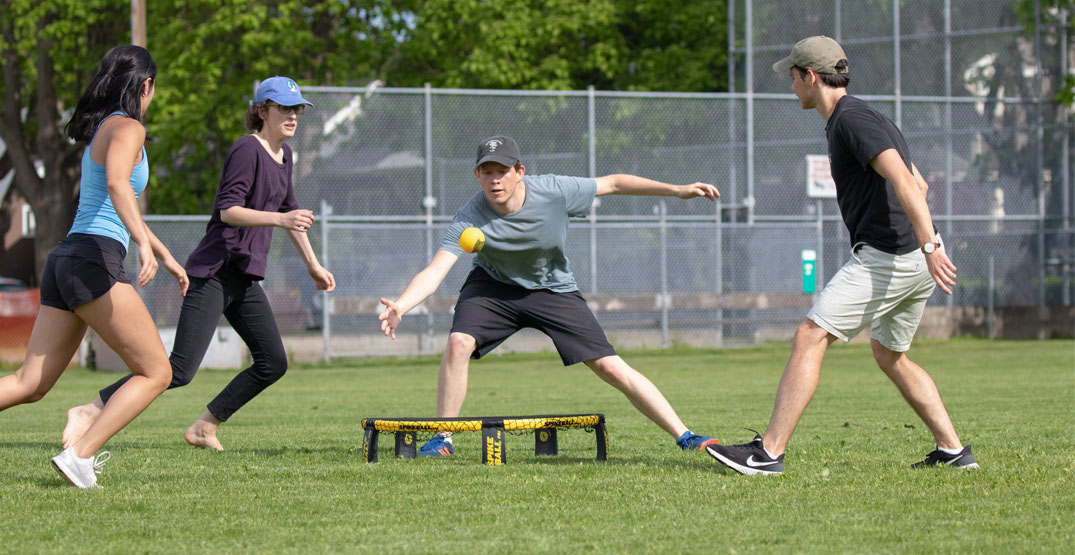
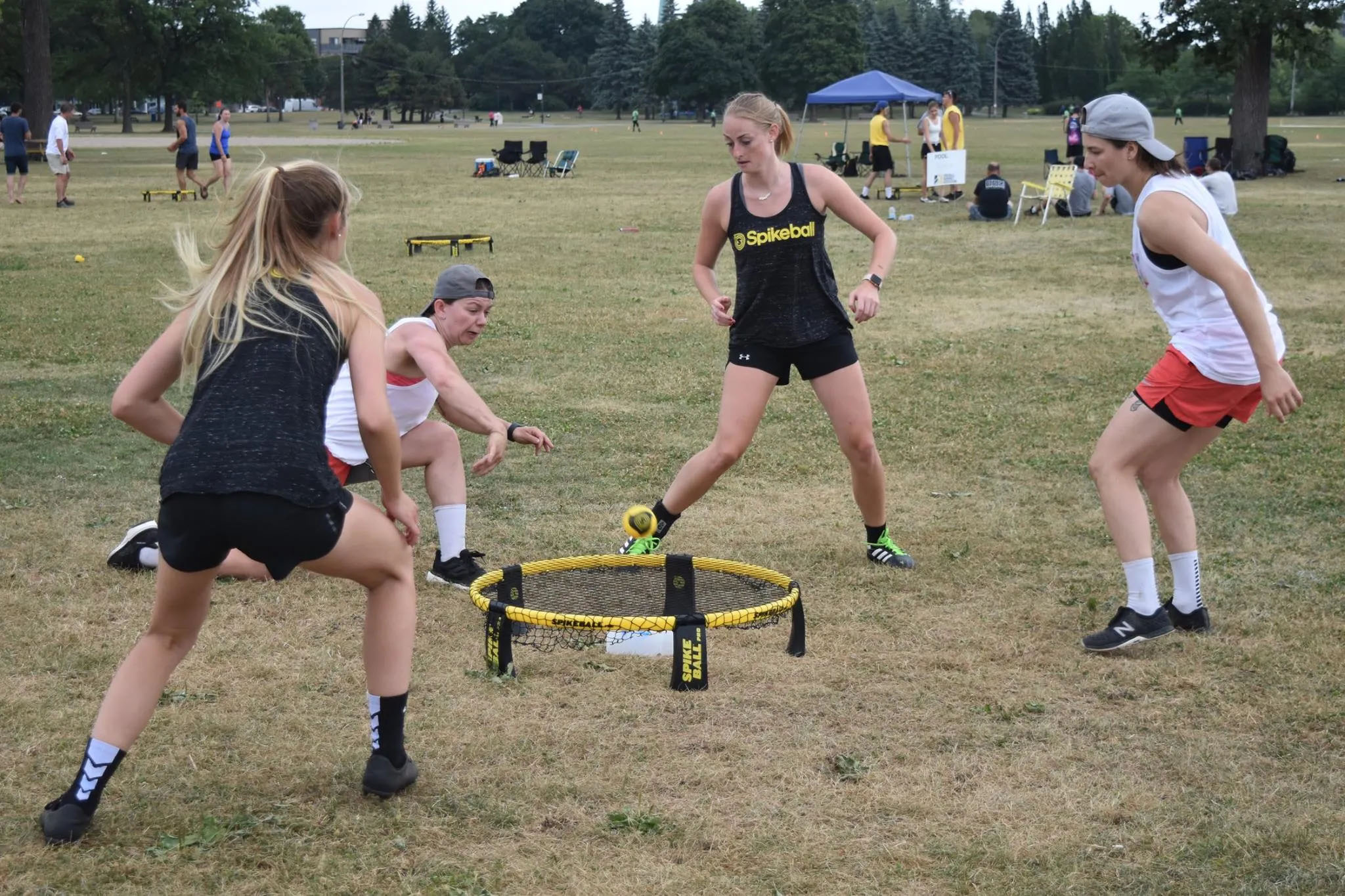
STORY RUN SHEET SPIKEBALL FINAL A story about the ASB’s annual lunchtime sport. Only two student teams are left to play spikeball with the last doubles team standing as the ultimate spikeball champions. The final game will be played next Monday, March 6, during lunch.
STAY POSITIVE WEEK A preview of next week’s first-time event sponsored by the district’s mental wellness coordinators. Each day of the week, mental wellness coordinators from the Everywhere Unified School District will be available throughout the school day in the gym to conduct activities to help students stay positive. On Mindfulness Monday, for example, five to 10 couches will be set up for students to lie down and talk about their problems with a credentialed counselor/therapist. Teachers have been encouraged to recommend students who’ve been struggling emotionally and academically to go to the gym to get tips on how to stay positive.
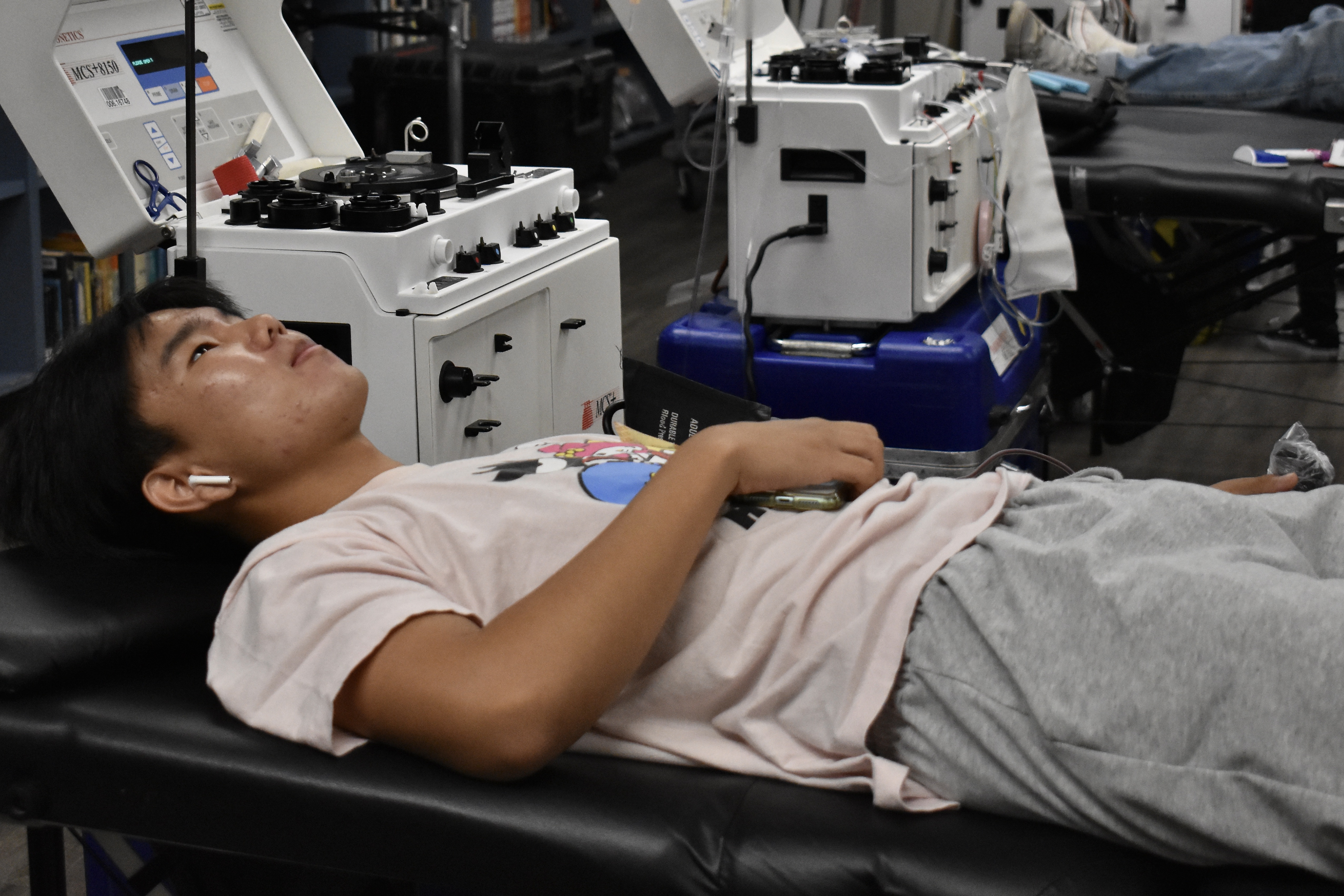
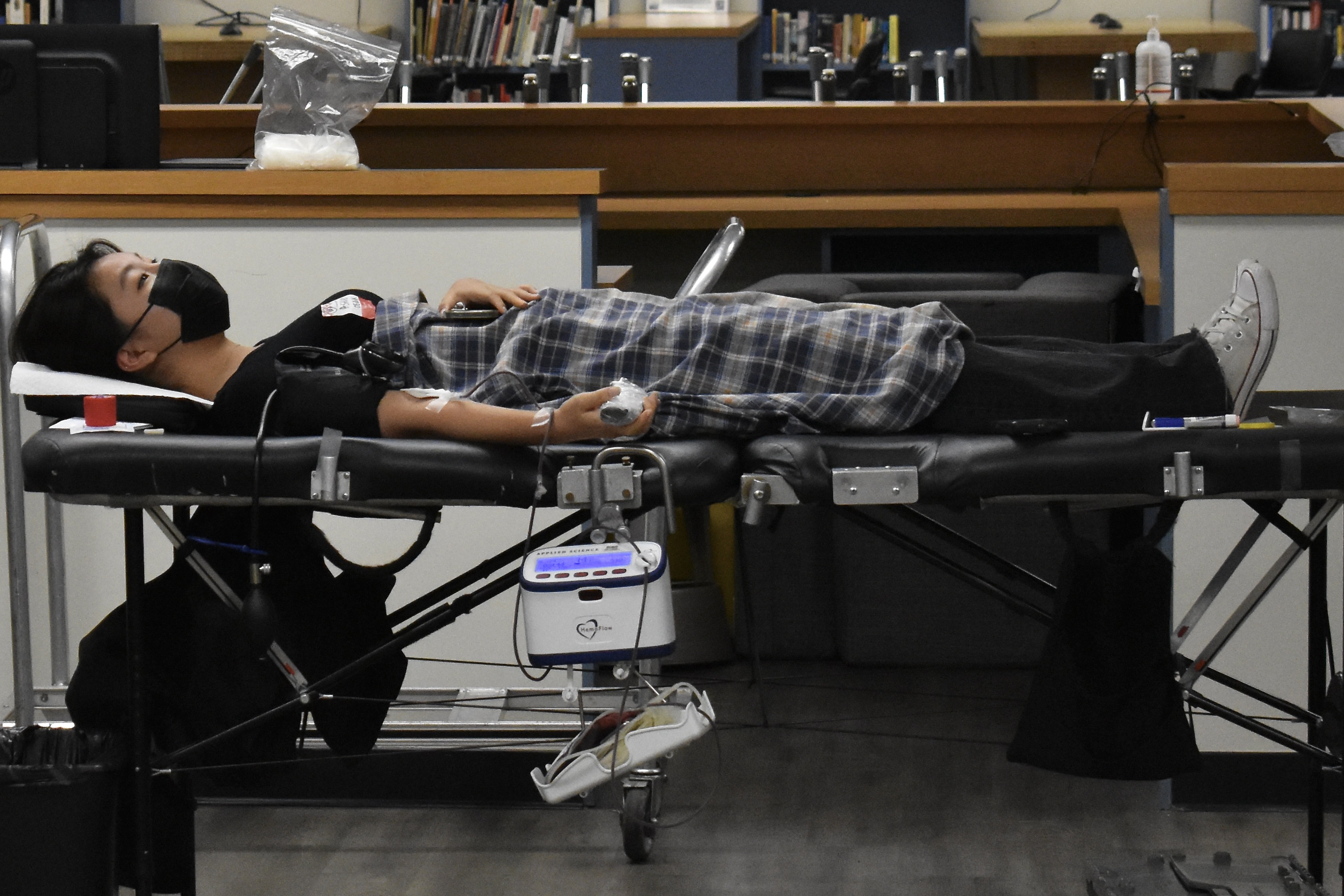
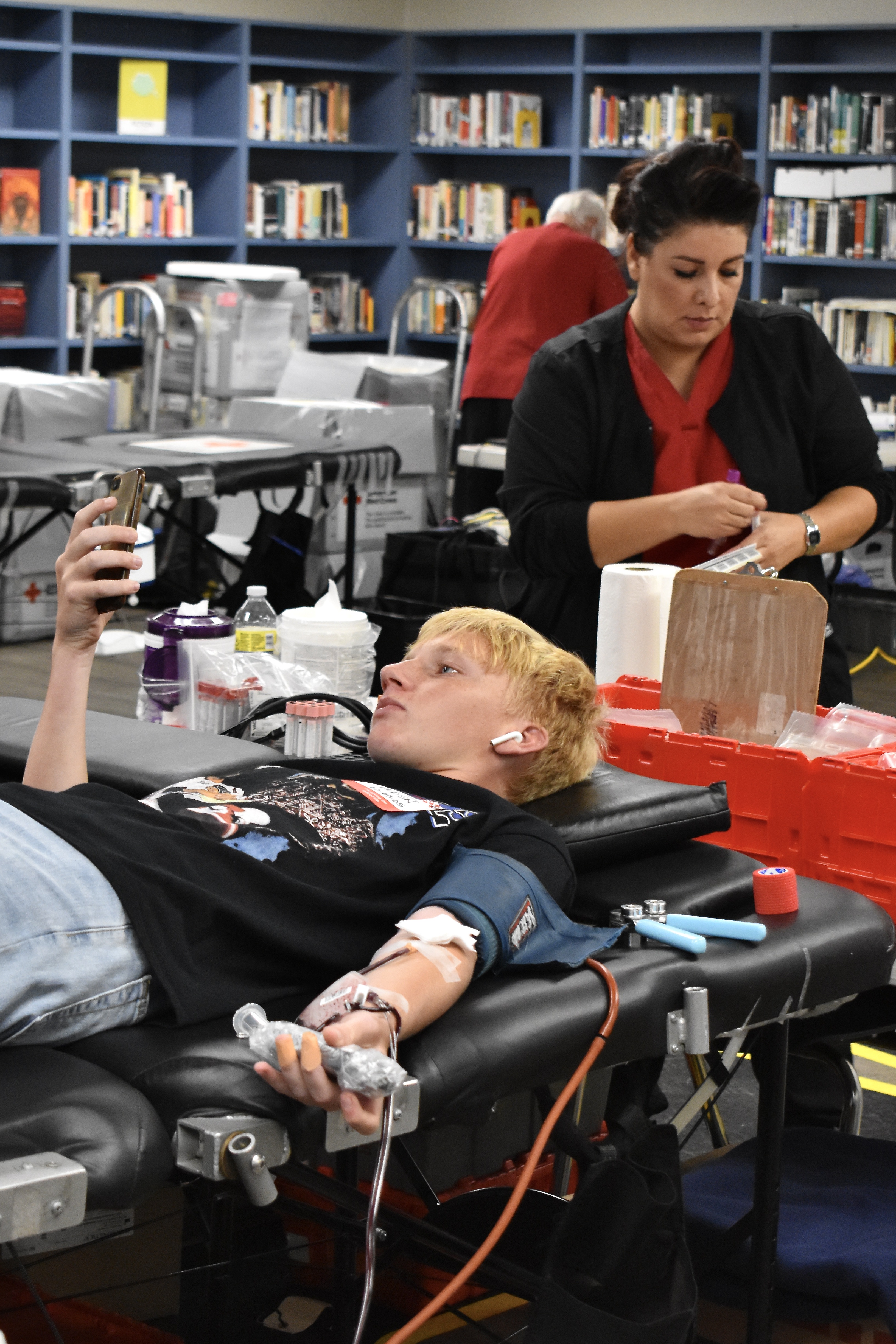
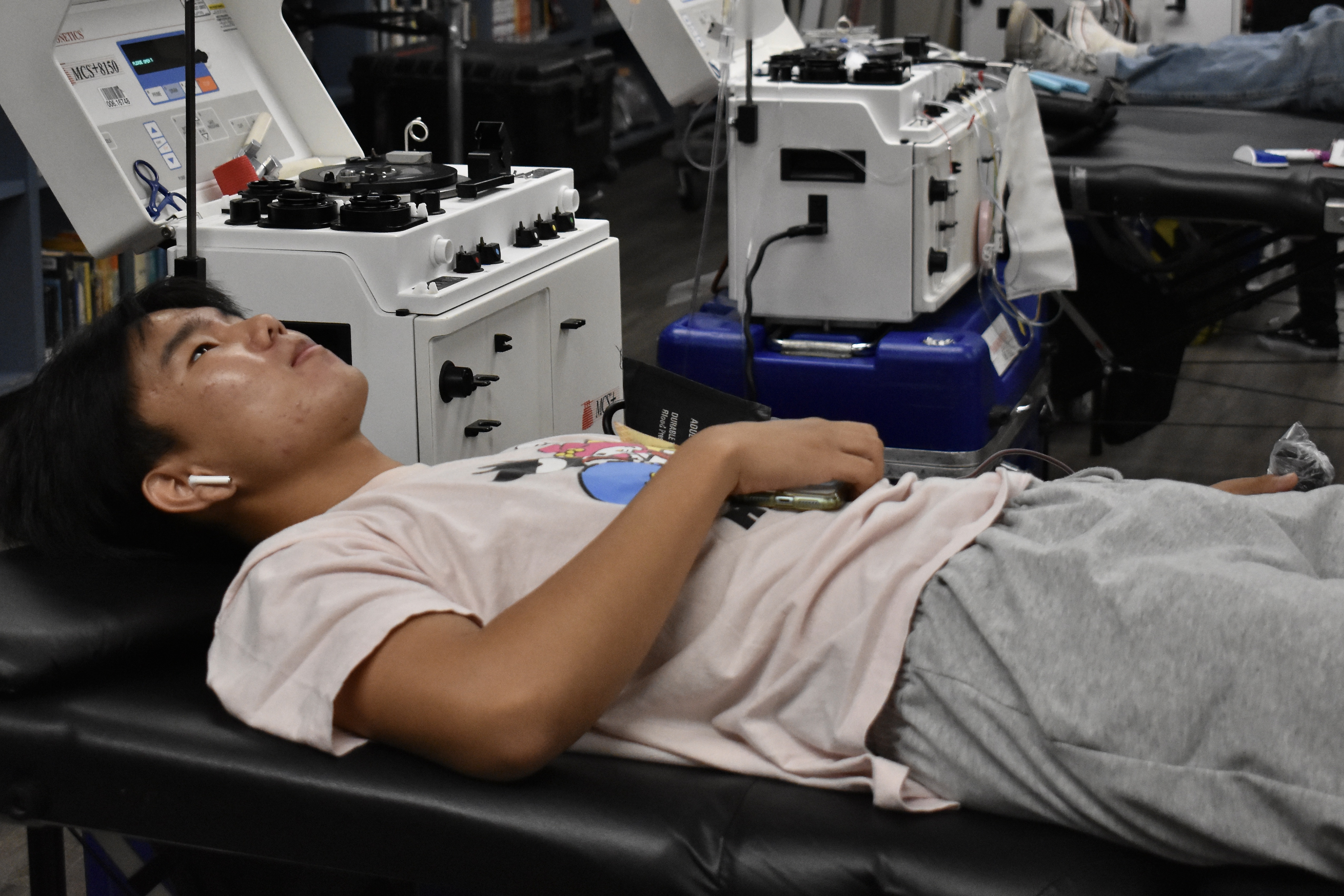
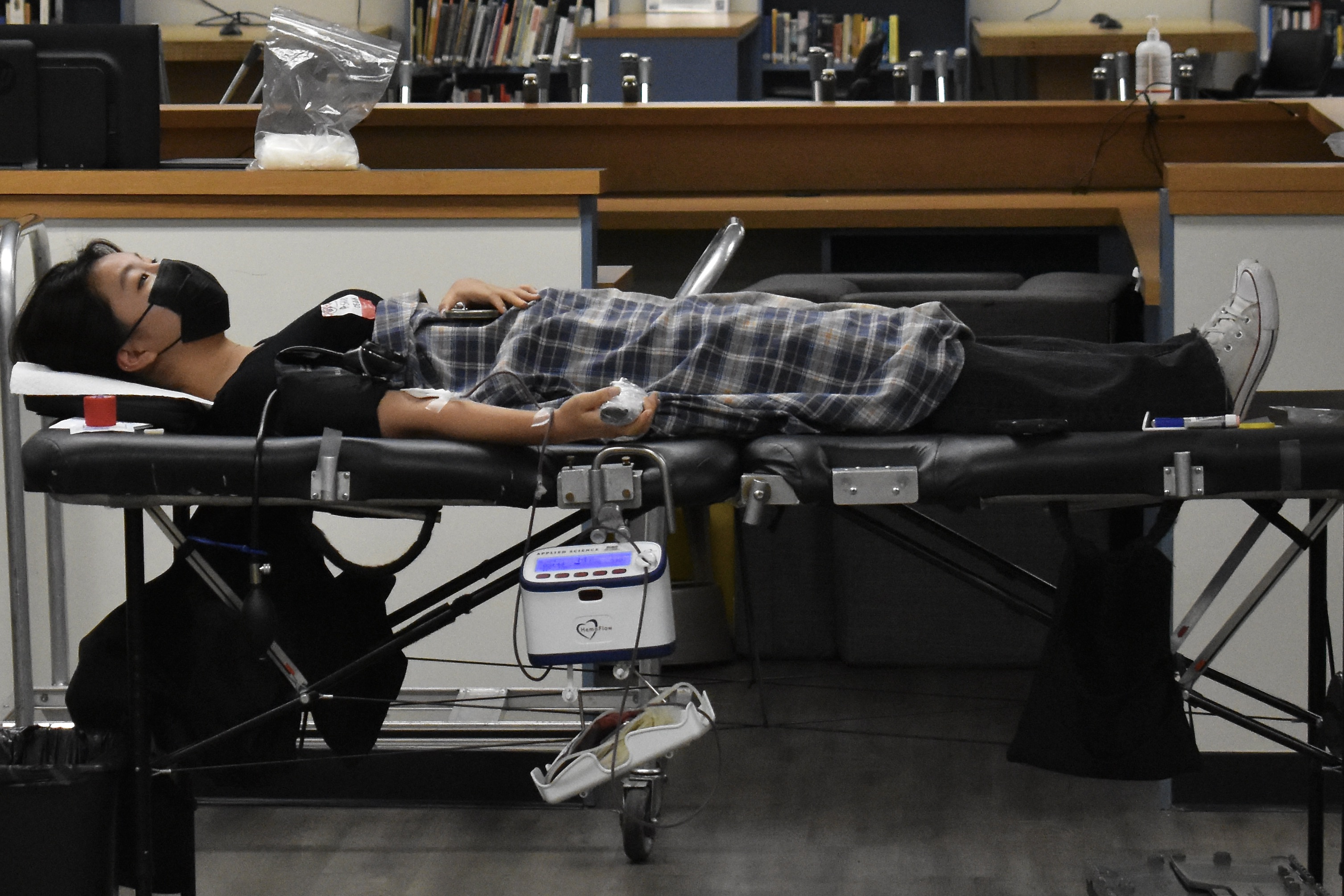
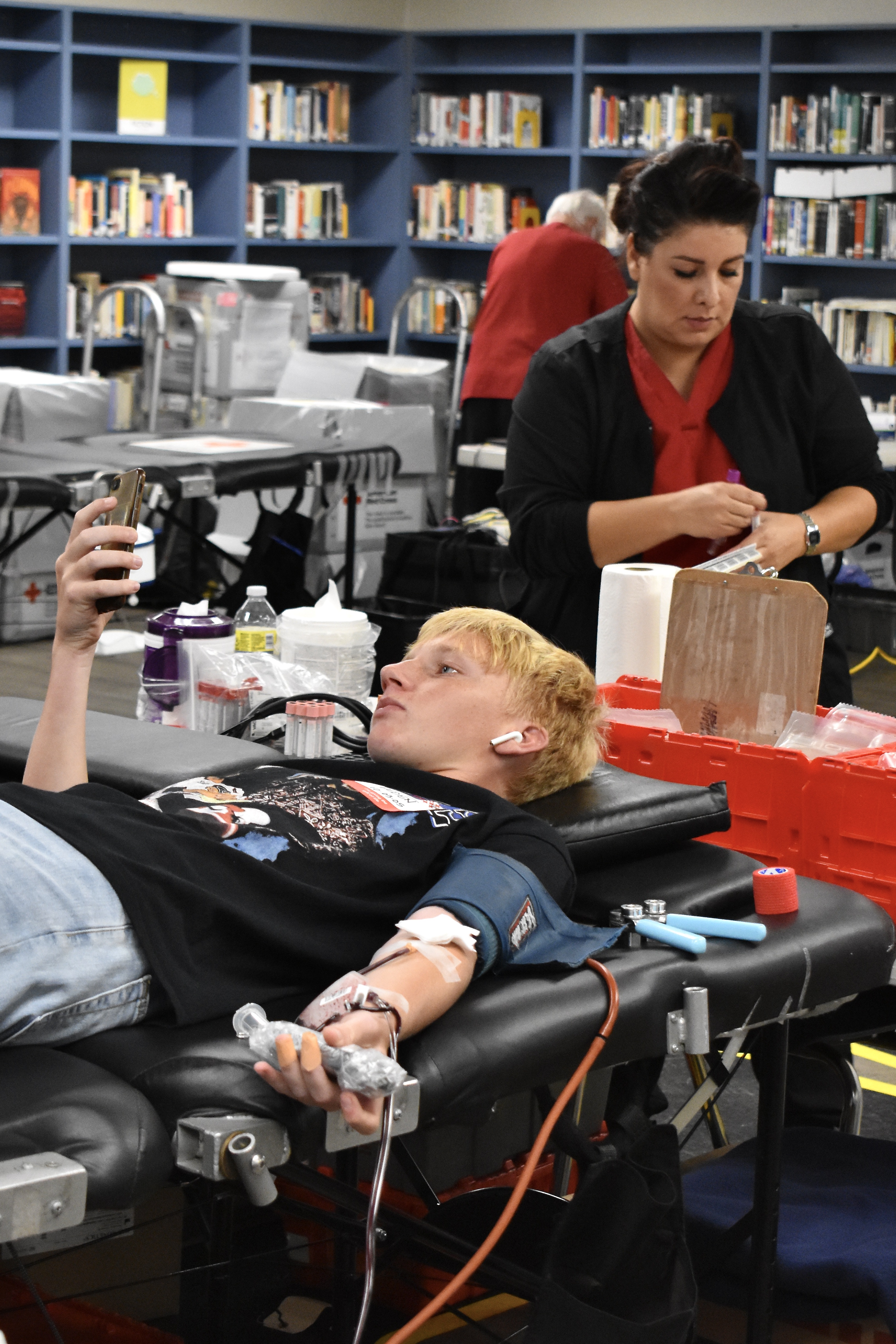
RED CROSS BLOOD DRIVE A story about Thursday’s blood drive in the library. This is the first time the school has brought back such an event since the pandemic started in March 2020.
MOCK TRIAL A story about how the 12-member Mock Trial team from Everywhere High School did last Saturday, Feb. 25, against its rival from Anywhere High School. The Everywhere squad was soundly defeated and was eliminated from the next round of Mock Trial this weekend at the state capital.
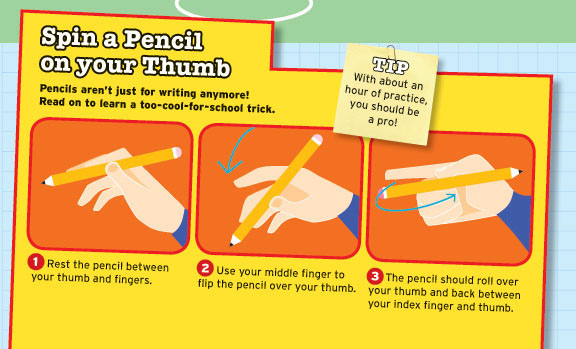
STUDENT PENCIL TWIRLER A profile of a junior boy who volunteers his Saturday mornings at the Everywhere public library entertaining kids with his pencil twirling tricks. Victor Wright picked up this “hobby” after watching a series of TikTok videos. After graduation, Wright plans to start his own school of pencil twirling to teach the craft to others and get paid for it. He still plans to be a headliner at the local library post-high school but he insists he doesn’t perform any tricks when he’s in class.
MOVIE REVIEW A review of “Children of the Corn,” a reimagining of the 1984 movie based on a Stephen King short story; the film was originally scheduled to hit theaters in October 2020 but because of the pandemic, it had a limited run; brief synopsis: a high school teenager stands in the way of a girl’s campaign to rid her community of all the adults.
LET IT SNOW, LET IT SNOW, LET IT SNOW Unprecedented snow has fallen onto the Everywhere community throughout the school week (from Feb. 27-March 2). It has also led to a phenomenon known as “thundersnow,” in which lightning flashes and thunder roars while it’s snowing. This has been occurring throughout the school day, causing teachers to pause instruction as students ooh and aww over the lightning and thunder show.
GERMAN CLUB To encourage more students to join German Club, the group’s cabinet members have come up with a rap song completely in German. They hope to teach it to prospective members during their once-a-week lunch meetings on Friday, March 10, in Room 200.
EVERYWHERE’S OWN METEOROLOGIST A profile of the school’s earth science teacher, who works as a weather forecaster on weekends at the local Everywhere cable TV station. David Weathersby has become quite popular lately with a large number of students showing up in his classroom during lunch to talk about the week’s snowstorm and whether any more strange weather will hit the Everywhere community the rest of the school year.
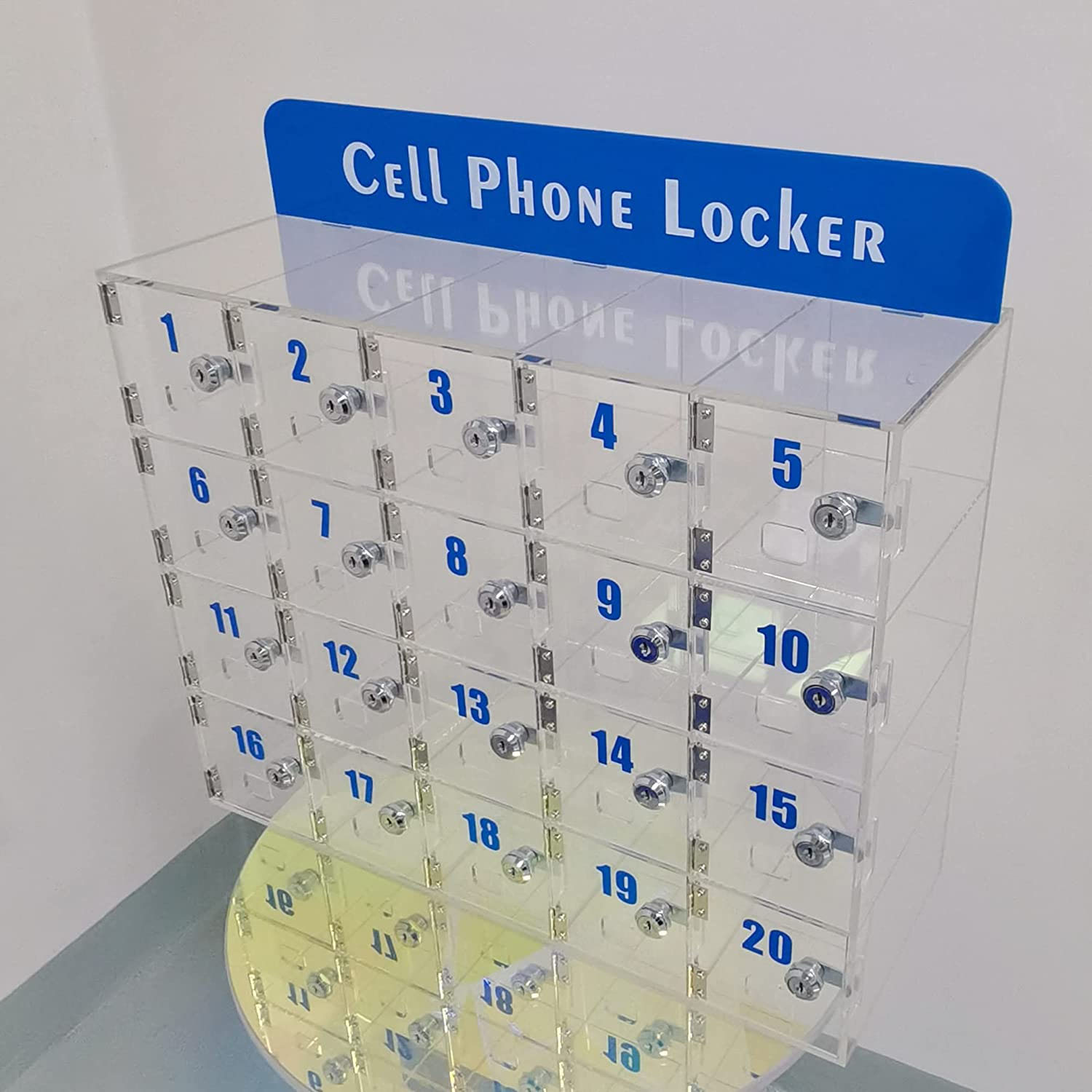
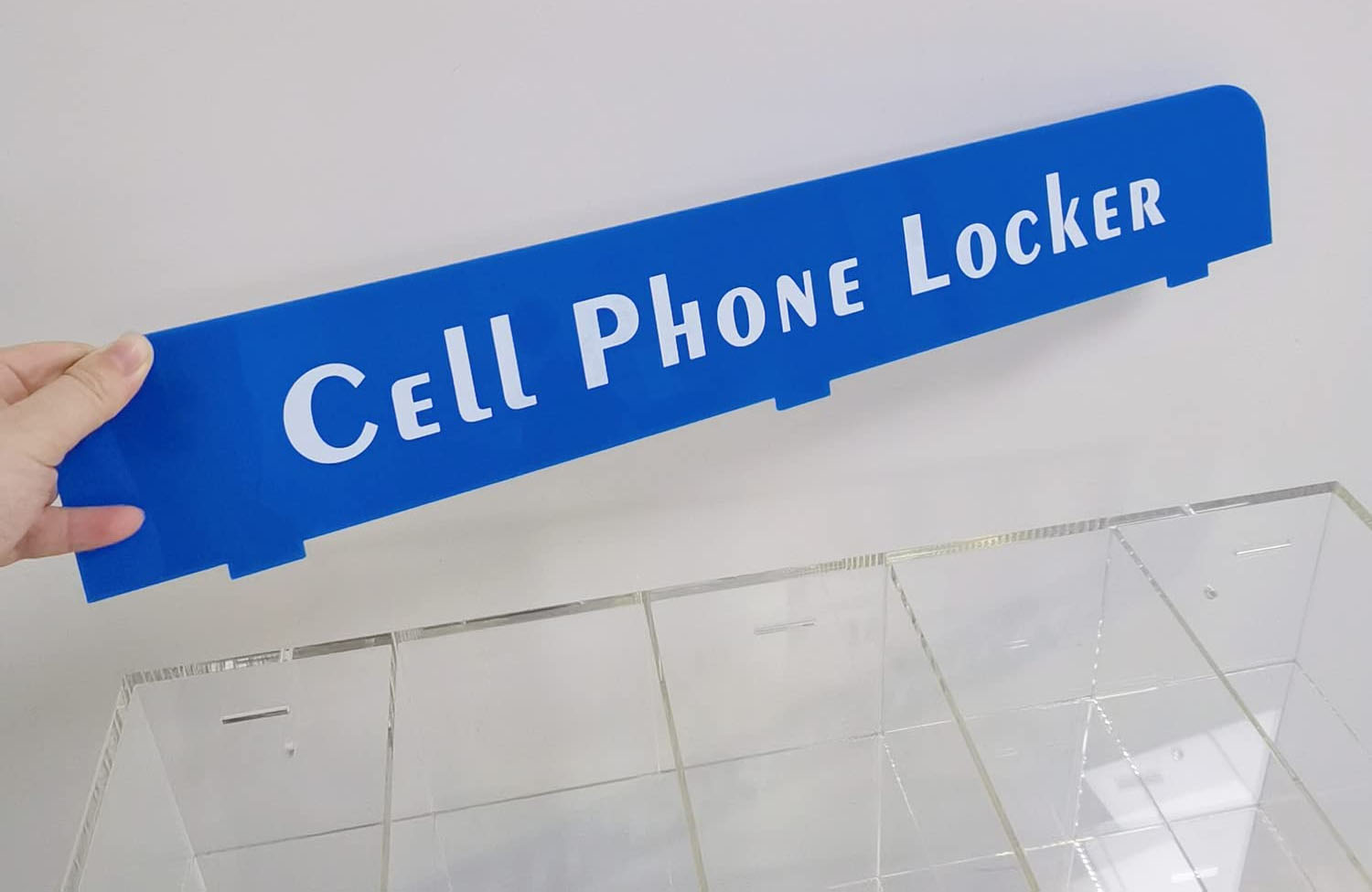
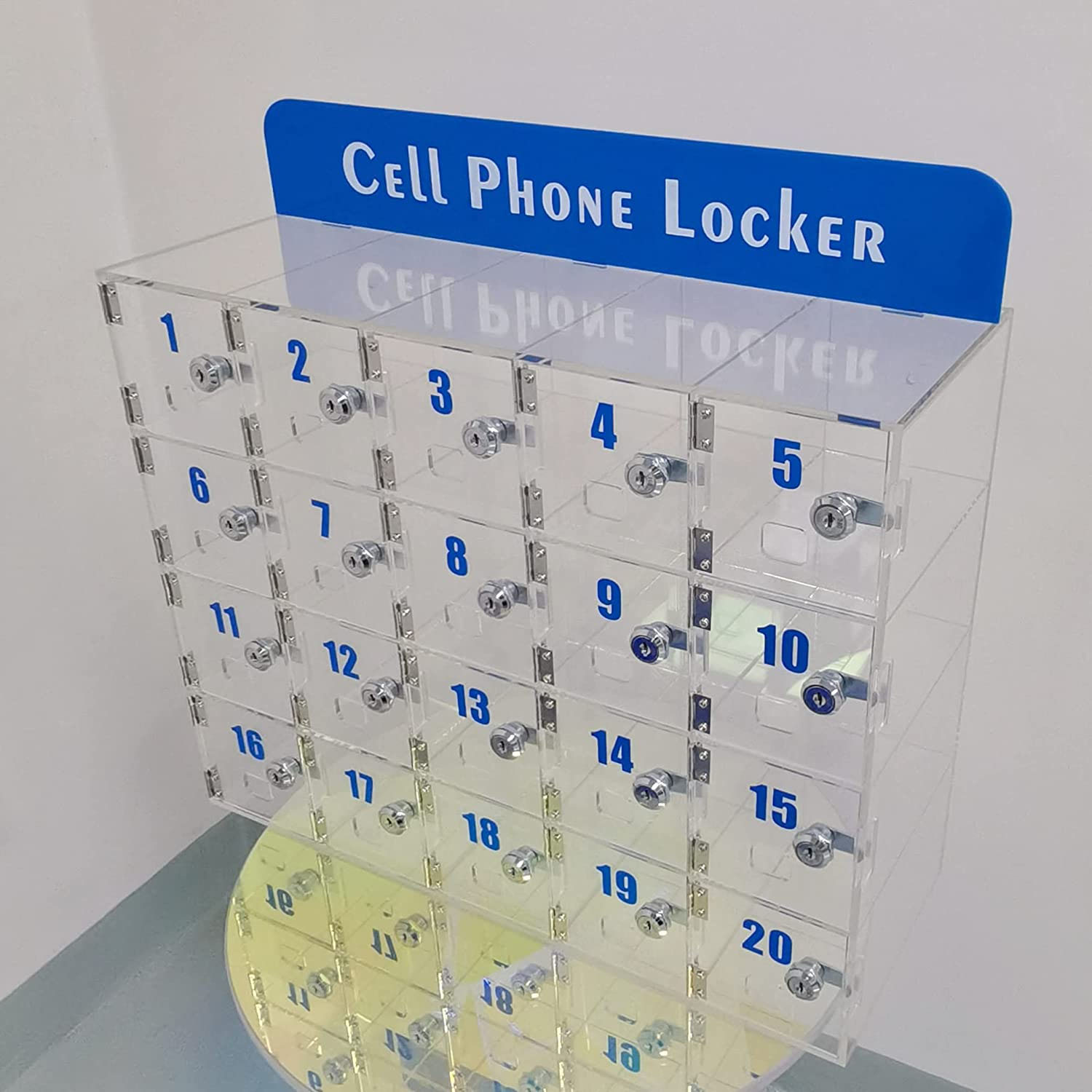
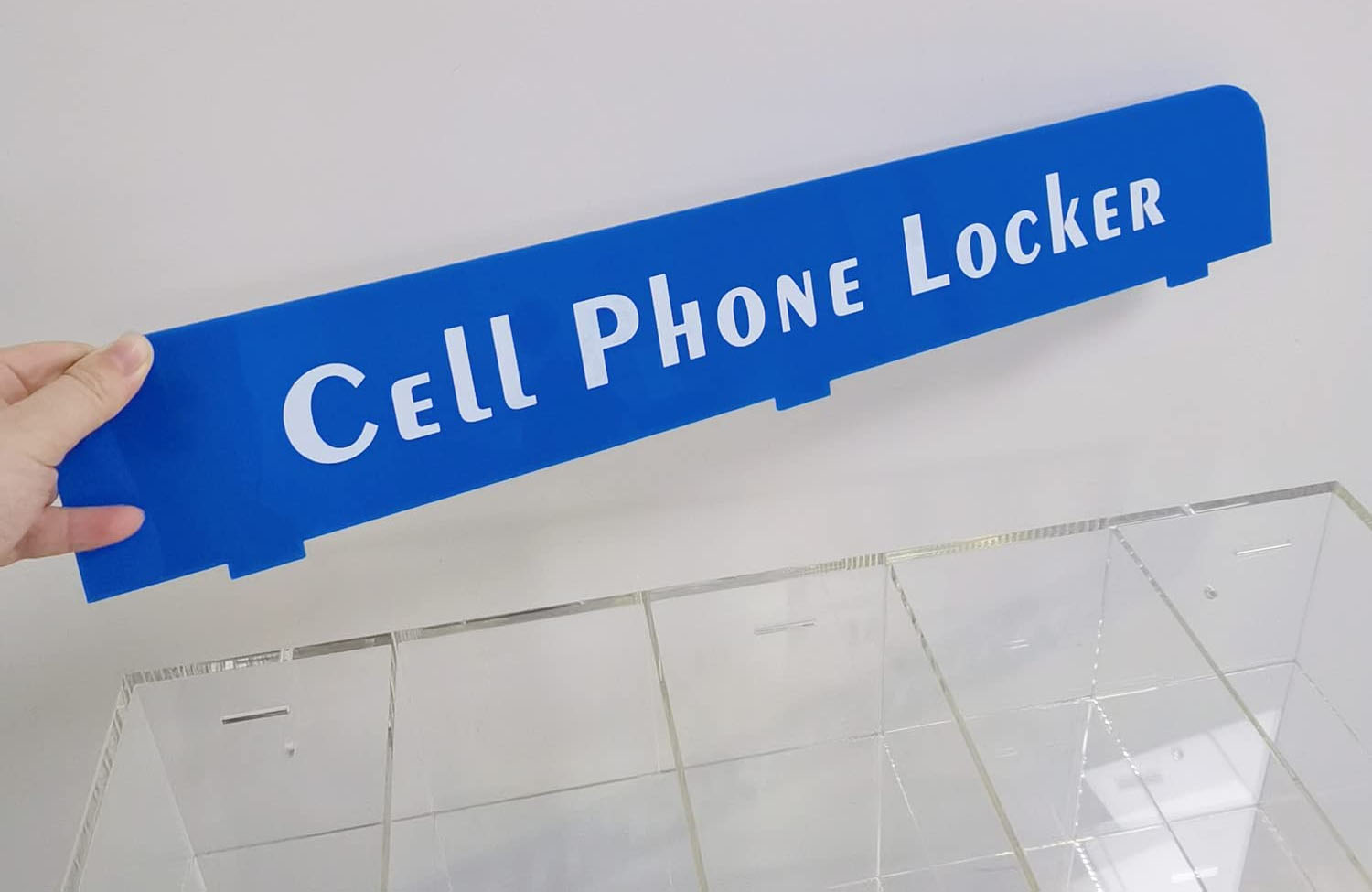
SMARTPHONE MINI-LOCKERS With approval from administration, a math teacher has spearheaded a campaign to have campus custodians install mini-sized lockers in each classroom for students to store their electronic devices so students don’t get tempted to use them during a teacher’s instructional presentation or a test/quiz. The pilot program will start in Roberta Jones’ class. Only Jones, who teaches Advanced Placement Calculus and Statistics, has the digital key to open any mini-locker, each of which is numbered. If this works without much disruption of instructional minutes, school officials plan to make it a school policy for all students to follow when entering each class. Jones said she hopes this will deter students from cheating or texting their friends while a teacher is talking. The lockers cost $10,000, all paid for by a PTSA donation.
PICTURES RUN SHEET MUG SHOTS (FILE NAME IS IN BOLD) Everywhere High School earth science teacher – David Weathersby Mug Everywhere High School math teacher – Roberta Jones Mug Everywhere High School pencil twirler – Victor Wright Mug Everywhere High School German Club adviser – Janet Cronkite Mug PHOTOS OF STAY POSITIVE WEEK Photos of student volunteers holding or showing positive messages that will be used to decorate the gym – positive1, positive2 A photo of a custodian holding up a couch to bring to the gym – positive3
PHOTOS OF RED CROSS DRIVE Photos of Red Cross nurses – nurse1, nurse2 Photos of students giving blood – blood1, blood2 PHOTOS OF SPIKEBALL TOURNAMENT Photos of spikeball lunchtime games from earlier in the month – spikeball1, spikeball2 Wild Art of spikeball, equipment, etc. – spikeball3, spikeball4
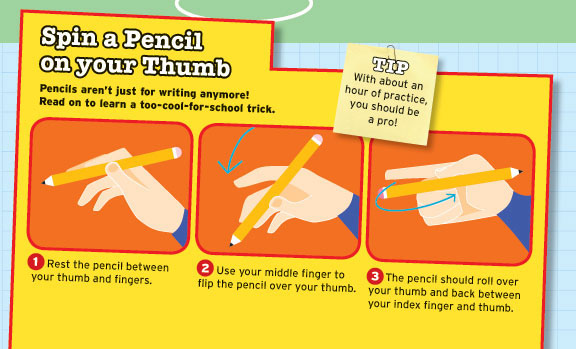
OTHER MISCELLANEOUS PHOTOS/INFOGRAPHICS Photos of Feb. 25 mock trial event – mock1, mock2, mock3 Infographic showing basic steps for pencil twirling – pencil1 Film stills from “Children of the Corn” movie –corn1, corn2, corn3 Photos of the surprising snow on the Everywhere campus this week – snow1, snow2, snow3, snow4, snow5 Infographic explaining what is a thundersnow (you got permission from USA Today to use one of the images) – thunder1, thunder2 Images of cell phone lockers – cell1, cell2
Imagine you are designing the front NEWS MAGAZINE page of the Everywhere High School Omni Times, a tabloid OR regular 8.5-inch-by-11-inch publication. Below and attached are the stories and pictures to choose from. Fake text and/or real pictures can be found in the digital storage space that your proctor will explain to you about. You have ONE HOUR to decide how to lay out the stories and pictures using InDesign OR whatever app you’d like to use.
INSTRUCTIONS
1. You must select stories from the list provided, BUT don’t feel obligated to use every single element on your page. Use your NEWS judgment.
2. Select the photo or photos you feel belong on this page from the sheet provided (a digital version will also be available—the layout instructor will explain to you how to access them). You may crop or enlarge them using Photoshop or any other app on your device as long as you maintain the proportional shape of the original. You can also do cutouts if you know how. You may use any number of photos.
3. Label your page dummy.
a. PHOTOS AND ART: On your dummy sheet under each photo, be sure to leave space for a cutline (or captions) with an explanation of what the image is about using filler text. Leave space for photo credit as well. Just make up a name like, “Photo by John Smith” or use whatever photo credit style your publication normally uses.
b. COPY: Write a key word or slug to indicate each story. Use filler text to show the flow of copy. Make sure to indicate a jump (if necessary).
c. HEADLINES: Plan to use your school paper’s headline type style or create your own. Give the headline point size and specification (italic, bold, condensed, regular). Write the number of columns, point size and number of lines if you know how (e.g., 3-36-1). Or, you can also just insert the exact headline and point size you want for each story.
4. You may use a 5- or 4- or 3-column layout or vary column width within the page if you choose to include a story element.
5. Once you are done or when time is up, you MUST SAVE your work and keep the file name the same as your ID NUMBER on your contest sheet.
Make sure your CODE is written/typed on all pages: grading rubric (top) and digital layout (bottom). You will be asked to save your work as a PDF and name the file your code number and then turn in your judging sheet to the proctor.
6. You CANNOT use anything from the Internet to help you with your design. This will automatically disqualify you. See the instructor if you have more questions about this.
FINALLY, IMAGINE YOUR FRONT-PAGE NEWS LAYOUT WILL COME OUT ON SUNDAY, MARCH 5, 2023. THE KEY ELEMENTS OF THE FLAG, SUCH AS ISSUE NUMBER, VOLUME NUMBER, DATE AND THE SCHOOL’S ADDRESS HAVE ALL BEEN ADDED FOR YOU. YOU CAN CHANGE THE FONT OR POINT SIZE OF ANYTHING ON THE FLAG.
STORY RUN SHEET
1) SPIKEBALL FINAL
A story about the ASB’s annual lunchtime sport. Only two student teams are left to play spikeball with the last doubles team standing as the ultimate spikeball champions. The final game will be played next Monday, March 6, during lunch.
2) STAY POSITIVE WEEK
A preview of next week’s first-time event sponsored by the district’s mental wellness coordinators. Each day of the week, mental wellness coordinators from the Everywhere Unified School District will be available throughout the school day in the gym to conduct activities to help students stay positive. On Mindfulness Monday, for example, five to 10 couches will be set up for students to lie down and talk about their problems with a credentialed counselor/therapist. Teachers have been encouraged to recommend students who’ve been struggling emotionally and academically to go to the gym to get tips on how to stay positive.
3) RED CROSS BLOOD DRIVE
A story about Thursday’s blood drive in the library. This is the first time the school has brought back such an event since the pandemic started in March 2020.
4) MOCK TRIAL
A story about how the 12-member Mock Trial team from Everywhere High School did last Saturday, Feb. 25, against its rival from Anywhere High School. The Everywhere squad was soundly defeated and was eliminated from the next round of Mock Trial this weekend at the state capital.
5) STUDENT PENCIL TWIRLER
A profile of a junior boy who volunteers his Saturday mornings at the Everywhere public library entertaining kids with his pencil twirling tricks. Victor Wright picked up this “hobby” after watching a series of TikTok videos. After graduation, Wright plans to start his own school of pencil twirling to teach the craft to others and get paid for it. He still plans to be a headliner at the local library post-high school but he insists he doesn’t perform any tricks when he’s in class.
6) MOVIE REVIEW
A review of “Children of the Corn,” a reimagining of the 1984 movie based on a Stephen King short story; the film was originally scheduled to hit theaters in October 2020 but because of the pandemic, it had a limited run; brief synopsis: a high school teenager stands in the way of a girl’s campaign to rid her community of all the adults.
7) LET IT SNOW, LET IT SNOW, LET IT SNOW
Unprecedented snow has fallen onto the Everywhere community throughout the school week (from Feb. 27-March 2). It has also led to a phenomenon known as “thundersnow,” in which lightning flashes and thunder roars while it’s snowing. This has been occurring throughout the school day, causing teachers to pause instruction as students ooh and aww over the lightning and thunder show.
8) GERMAN CLUB
To encourage more students to join German Club, the group’s cabinet members have come up with a rap song completely in German. They hope to teach it to prospective members during their once-a-week lunch meetings on Friday, March 10, in Room 200.
9) EVERYWHERE’S OWN METEOROLOGIST
A profile of the school’s earth science teacher, who works as a weather forecaster on weekends at the local Everywhere cable TV station. David Weathersby has become quite popular lately with a large number of students showing up in his classroom during lunch to talk about the week’s snowstorm and whether any more strange weather will hit the Everywhere community the rest of the school year.
10) SMARTPHONE MINI-LOCKERS
With approval from administration, a math teacher has spearheaded a campaign to have campus custodians install mini-sized lockers in each classroom for students to store their electronic devices so students don’t get tempted to use them during a teacher’s instructional presentation or a test/quiz. The pilot program will start in Roberta Jones’ class. Only Jones, who teaches Advanced Placement Calculus and Statistics, has the digital key to open any mini-locker, each of which is numbered. If this works without much disruption of instructional minutes, school officials plan to make it a school policy for all students to follow when entering each class. Jones said she hopes this will deter students from cheating or texting their friends while a teacher is talking. The lockers cost $10,000, all paid for by a PTSA donation.
PICTURES RUN SHEET
MUG SHOTS (FILE NAME IS IN BOLD)
Everywhere High School earth science teacher – David Weathersby Mug
Everywhere High School math teacher – Roberta Jones Mug
Everywhere High School pencil twirler – Victor Wright Mug
Everywhere High School German Club adviser – Janet Cronkite Mug
PHOTOS OF STAY POSITIVE WEEK
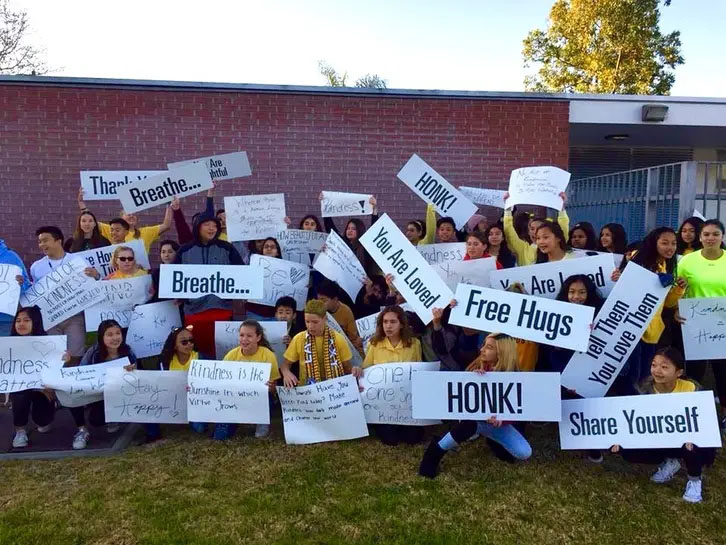
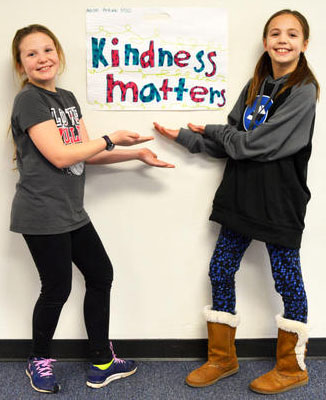
Photos of student volunteers holding or showing positive messages that will be used to decorate the gym – positive1, positive2
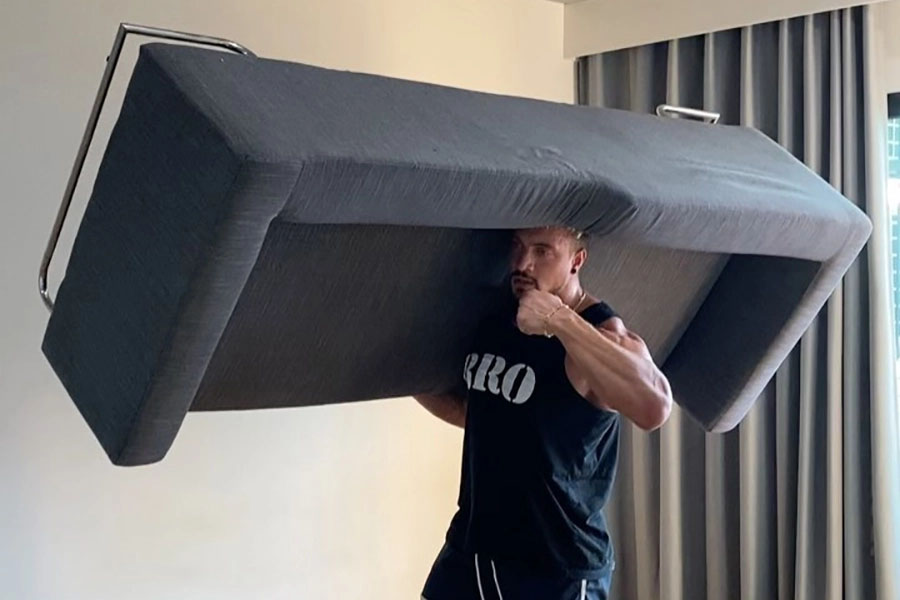
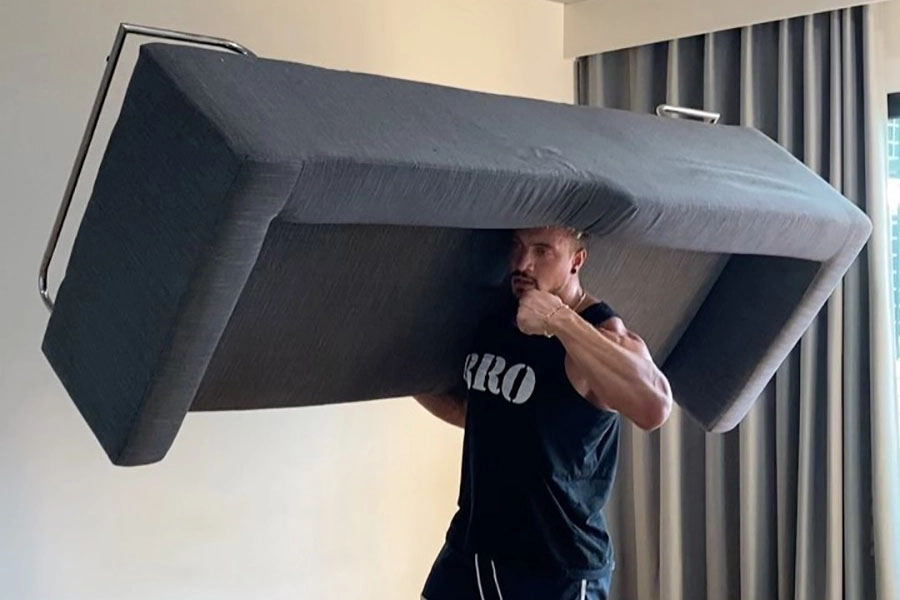
A photo of a custodian holding up a couch to bring to the gym – positive3
PHOTOS OF RED CROSS DRIVE
Photos of Red Cross nurses – nurse1, nurse2
Photos of students giving blood – blood1, blood2
PHOTOS OF SPIKEBALL TOURNAMENT
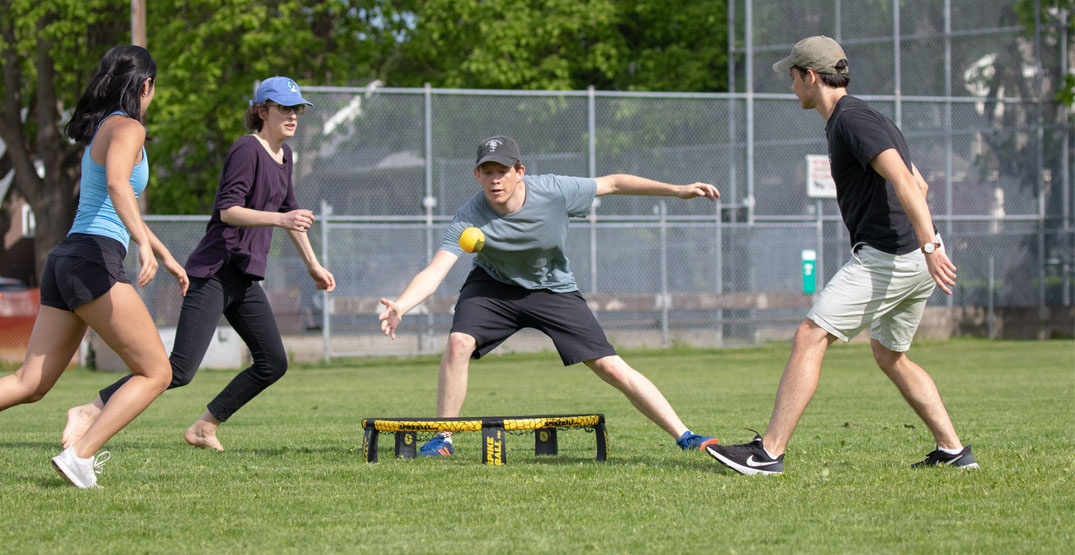
Photos of spikeball lunchtime games from earlier in the month – spikeball1, spikeball2
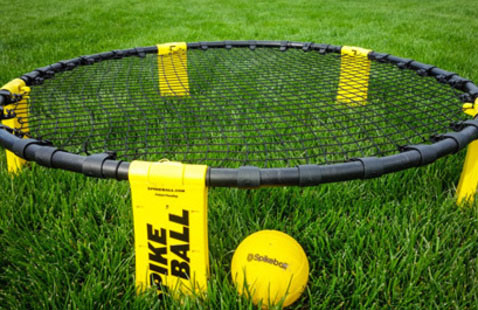
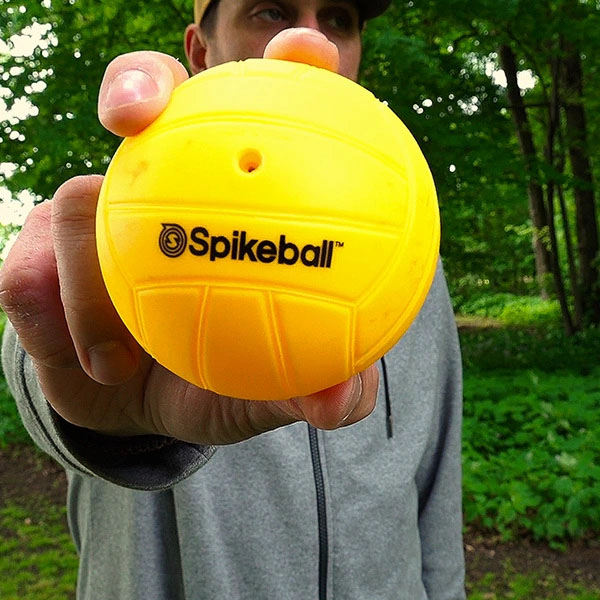
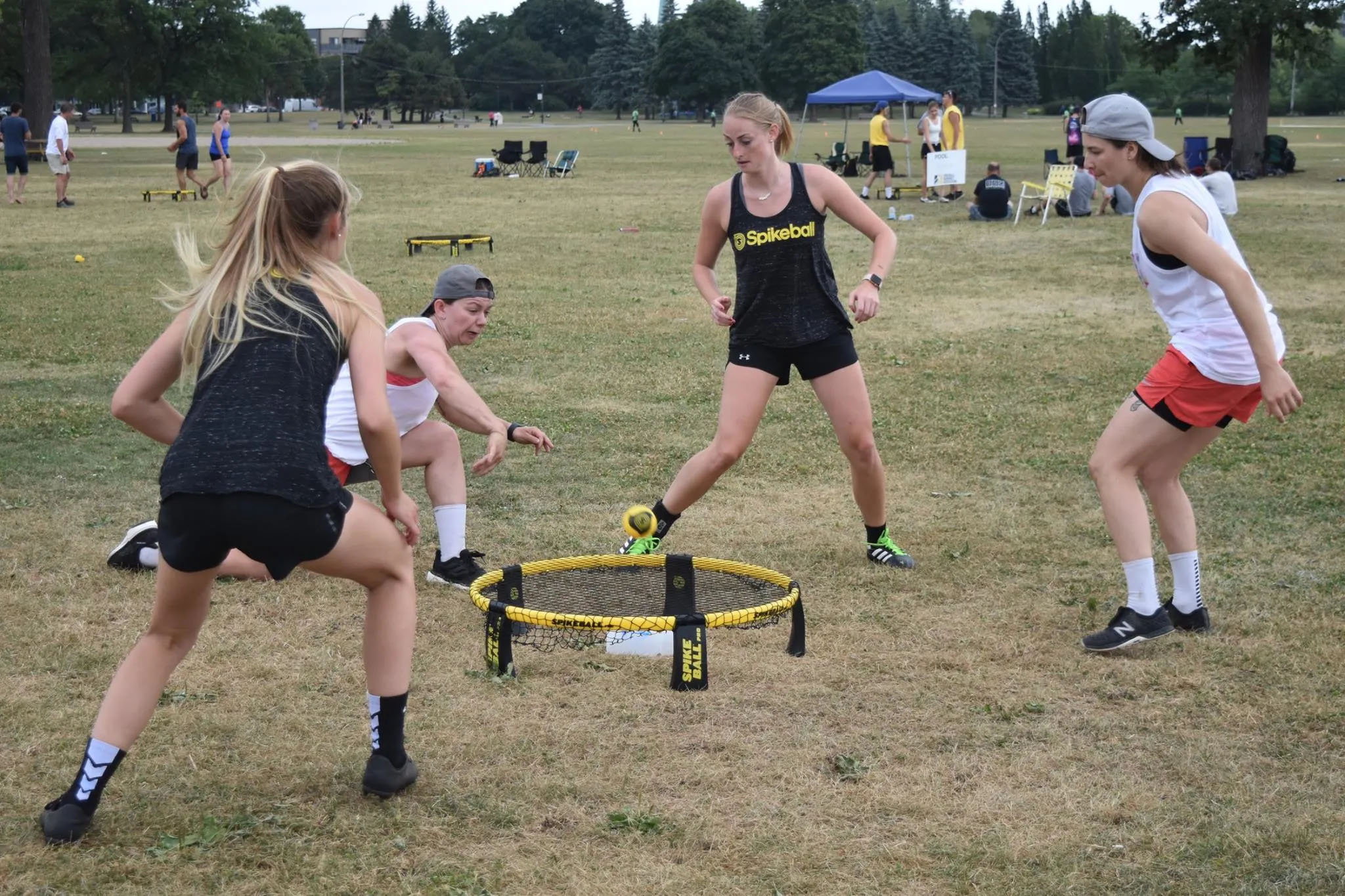
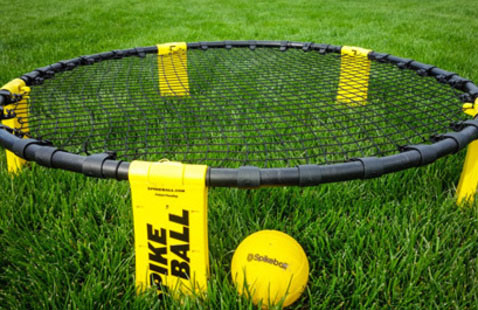
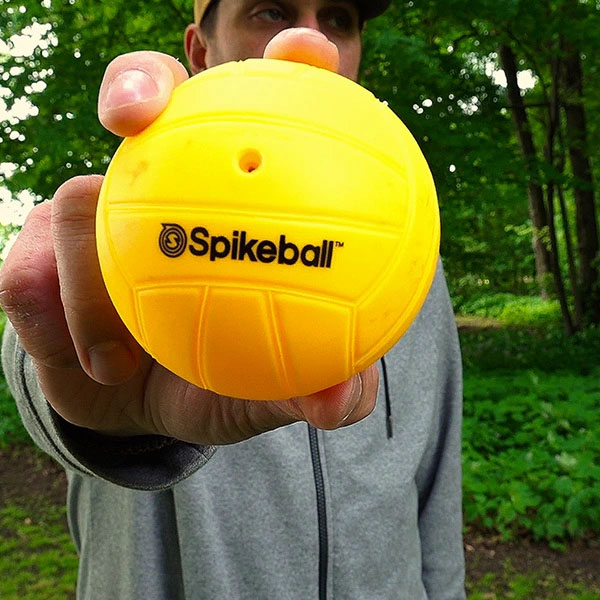
Wild Art of spikeball, equipment, etc. – spikeball3, spikeball4
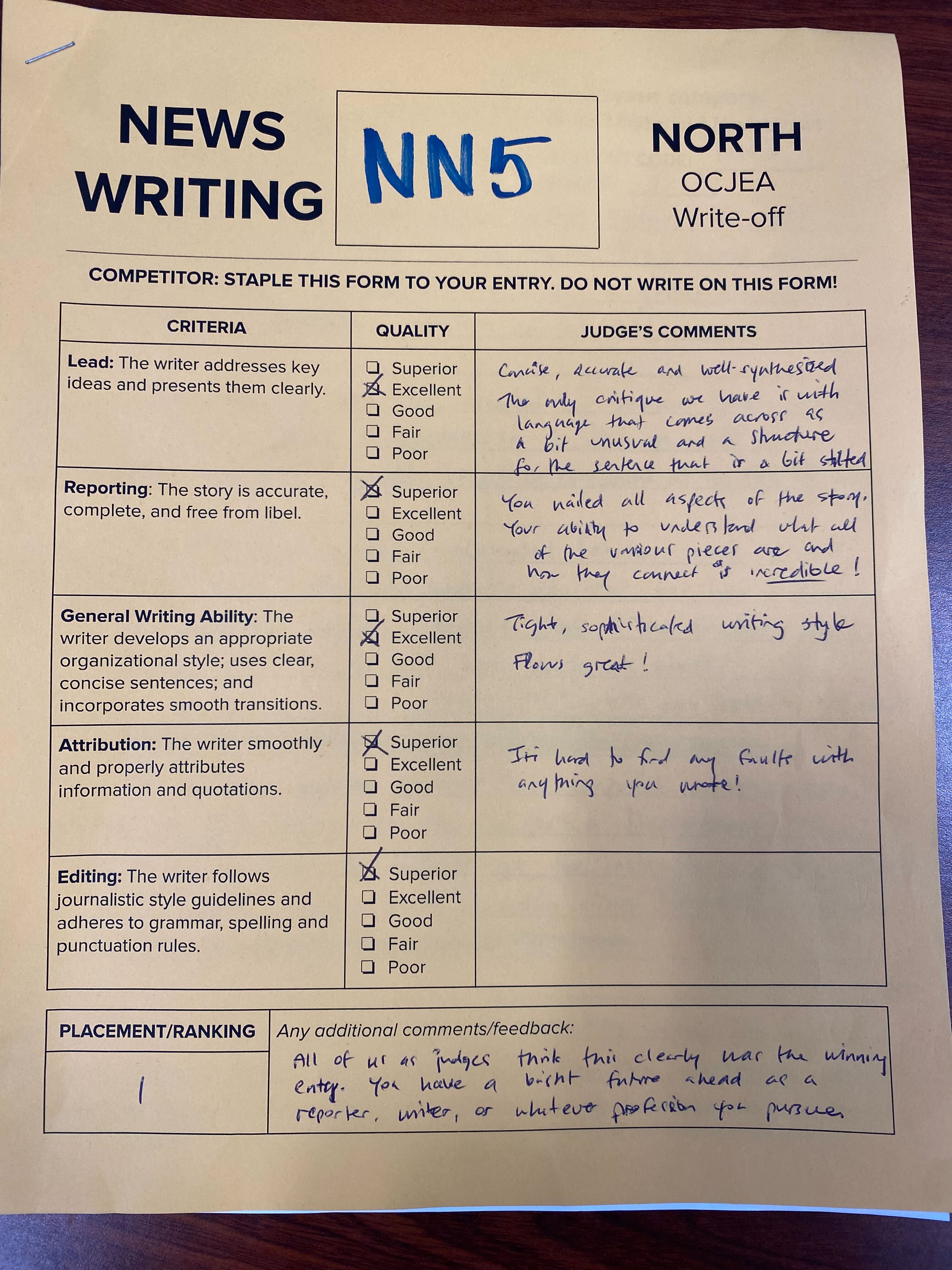
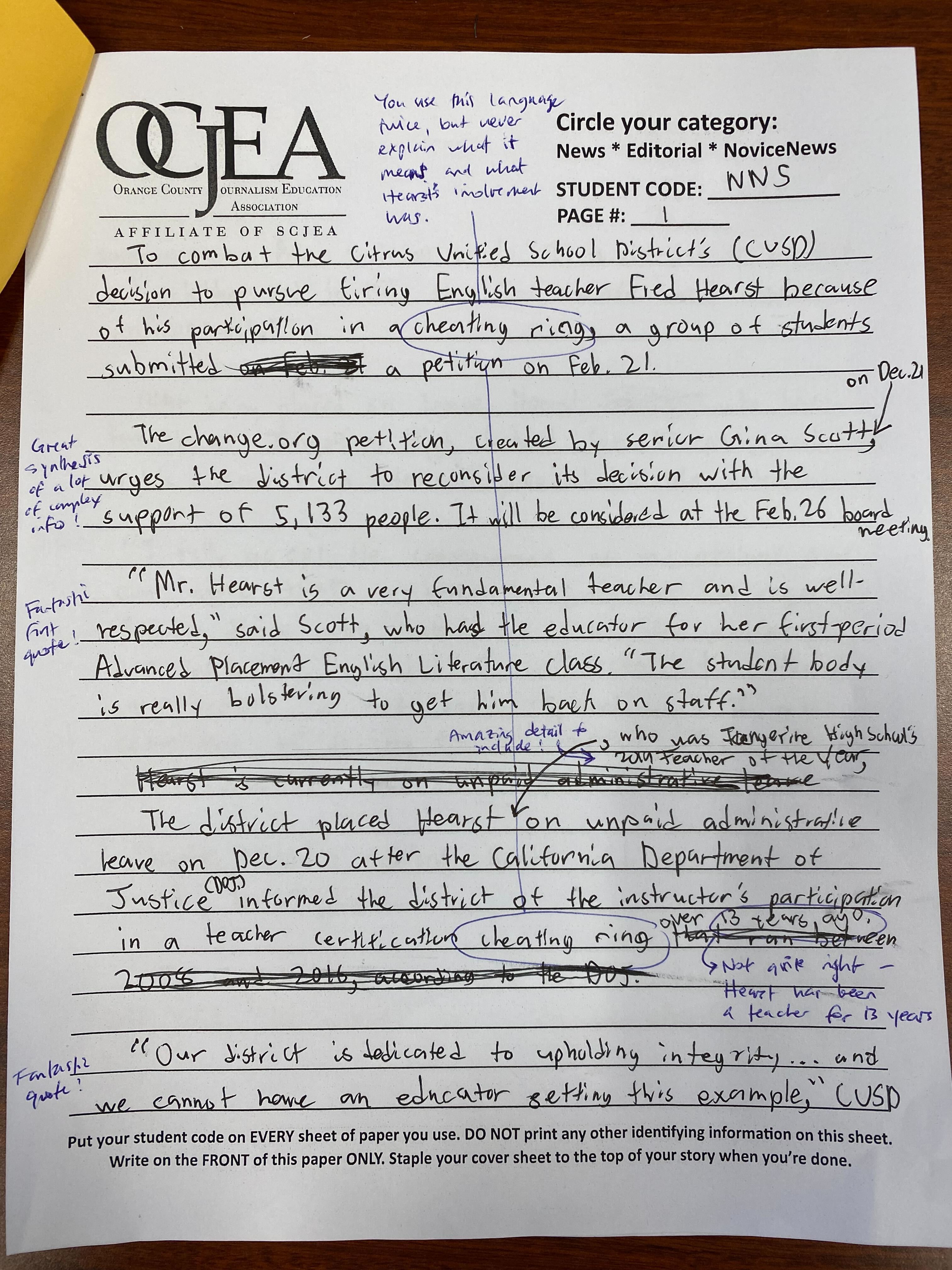
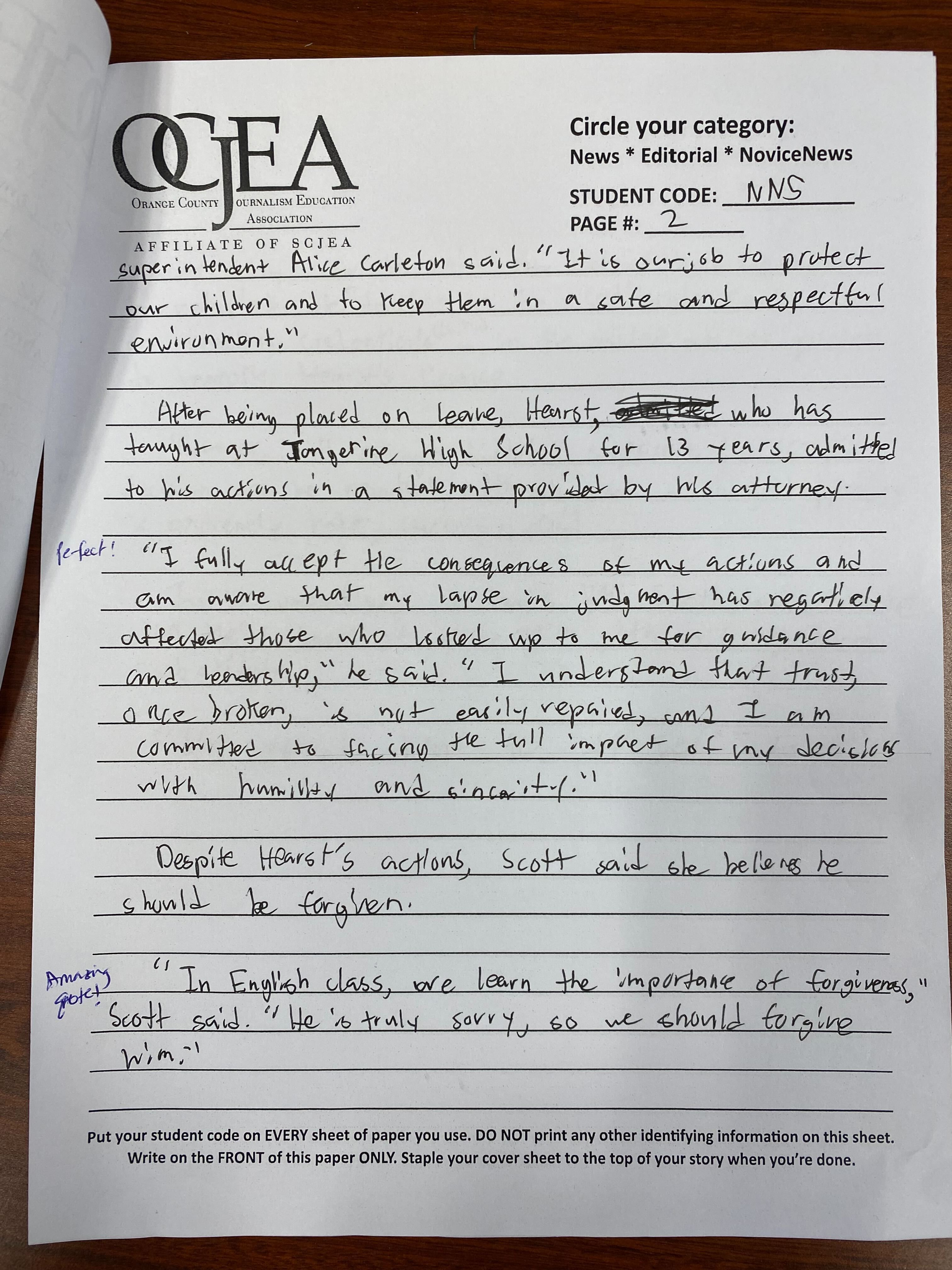
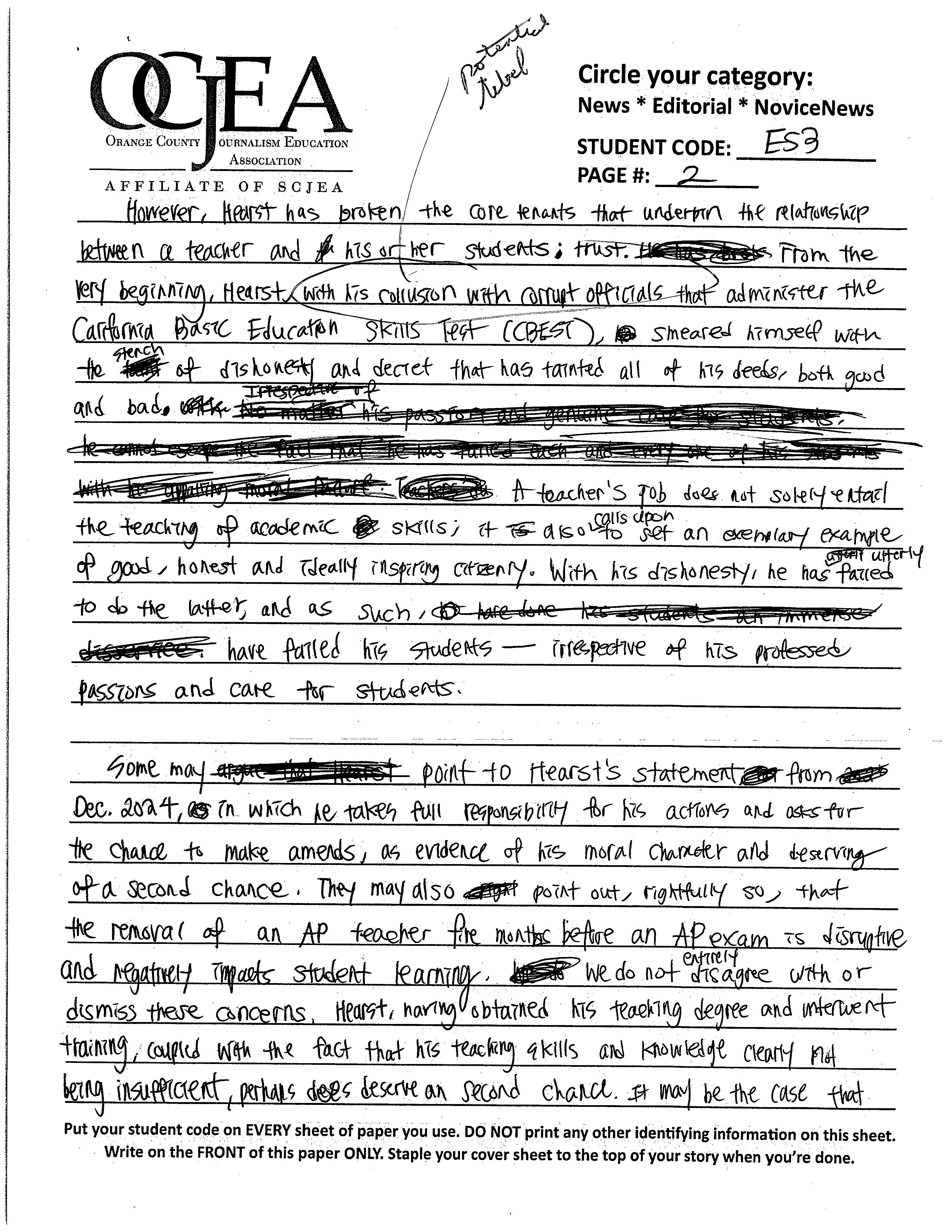
News Winning Entry – by Jenny Won, Portola High School
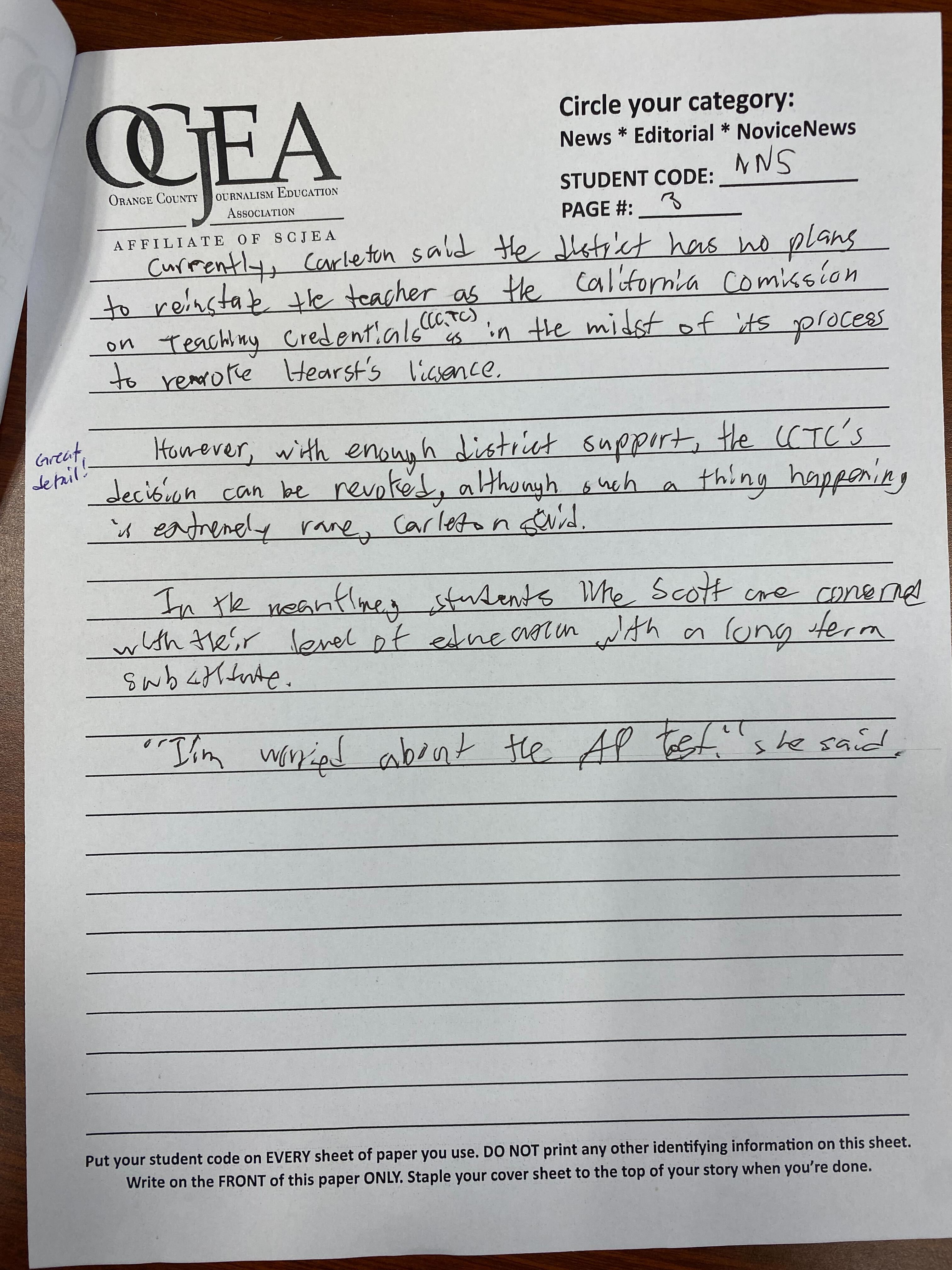
The Citrus Unified School District (CUSD) Board of Education removed five titles from the core and supplemental lists of required reading and created a new enrichment list of optional reading, effective Feb. 22, in response to parent complaints that these texts portrayed black history and culture in a harmful manner.
Core texts are required to be taught to all students, while supplemental texts can be selected by individual teachers to be taught to their entire class. Under the new policy, texts categorized as enrichment can no longer be required reading in classes, but will remain optional for students to read independently.
“The number one goal of public education is to provide access and opportunity to all students,” CUSD Superintendent Alice Carleton said in a press conference on Feb. 20. “We are removing these five books from core and supplemental reading lists because we believe that there are better, less hurtful options out there for students.”
The five titles that will be moved to the enrichment list are former core novels “To Kill a Mockingbird” by Harper Lee, “Of Mice and Men” by John Steinbeck, “The Cay” by Theodore Taylor, “Roll of Thunder, Hear My Cry” by Mildred D. Taylor and former supplemental novel “The Adventures of Huckleberry Finn” by Mark Twain.
Five CUSD parents, including Constance Helling, parent of a ninth grade student at Tangerine High School (THS) filed complaints against CUSD regarding the requirement of these texts in classrooms. In a complaint filed on Jan. 6, Helling claimed that her daughter faced harassment through derogatory racial slurs from classmates who had learned the word from the required reading “Roll of Thunder, Hear My Cry” at Tangerine Middle School in 2019.
“Our Black children are facing potential harm in the very classrooms that are supposed to represent safe environments in which they can learn and grow,” Helling said. “These books cast Black people in negative, hopeless, or secondary roles, and frame racism and racial injustice as relics of the past, rather than a pressing issue of today.”
Carleton assembled an ad hoc committee of teachers, parents, administrators and students on Jan. 15 to discuss the course of action to take with the five texts in question.
Following four weeks of discussion, the committee agreed on the need for the district to diversify the perspectives portrayed in its required texts and to provide teachers professional development on how to effectively teach racial and cultural history in their classrooms, according to Carleton.
However, it was unable to reach a consensus on the five specific texts in question. As such, Carleton proposed the new policy to create the enrichment list of optional reading independent of the committee, and the Board approved it on Feb. 19.
“We are not banning books and we are not banning what students can and cannot read,” Carleton said. “Rather, we are determining through an informed and inclusive lens which books should be mandatory and which ones should be optional.”
Donna Bennett, English teacher at THS, stated her stance against removing the books from required readings in a letter to Carleton on Feb. 12.
“I want to express my concern — as well as my colleague’s concern — over your decision to ban books from the classroom. These books are the cornerstone of literary instruction across America and have been taught for many, many years,” Bennett said. “If students are to be taught critical thinking as the current educational standards require, they need to be exposed to material that may make them uncomfortable from time to time.”
Bennett also alleged that CUSD failed to provide adequate time and resources for teachers to revise their teaching material, deeming the procedure “unprofessional” and “unacceptable.”
In an Instagram statement and online petition on Feb. 20, 11th grade student David Santana from Tangerine High School also challenged the decision.
“These books are not turning students into racists,” Santana said. “When a student uses these books as a scapegoat to minimize punishment, we need to understand that these books are not what really caused their actions. Rather, these books are a possible solution. For every one incident of a student being immature or cruel, there is a classroom full of students having hard-hitting discussions of why we need to actively play a part in mitigating racial inequality.”
The argument that banning the texts in question will only serve to hinder discussions of race and bias in the classroom is also supported by the National Coalition Against Censorship (NCAC).
“The decision to remove the books is educationally and legally unsound, is disrespectful of the competence of the district’s educational professionals, and is poor policy,” the NCAC wrote in a letter to CUSD on Feb. 19. “At a time when hundreds of thousands of Americans are in the streets protesting police brutality and systemic racism, it is more important than ever for educators to teach books that help their students understand the role that race has played in American history and how it continues to shape our society.”
Carleton affirmed that the policy change was approved by the Board and is thus a final decision.
Feature Winning Entry by Katharine Lee, Santa Margarita
A photo of a man crouching beside a beaming labrador retriever with dark eyes aglow and tongue wagging seems fitting for a quaint family photo tucked right above the mantle. But the dog is not just another household pet; its name is K.9 Spar, and the man proudly beside him is Al Hredecky, founder of Impact Canine Solutions (ICS).
ICS, a premier drug detection canine service that has reached over 230 schools in Southern California, stemmed from a personal vision of Hredecky’s. Originally from Colorado, Hredecky abandoned his snowy homestate for the promises of California, hoping to immerse himself in the law enforcement field there. The reasons were personal. Though Hredecky’s father had warned his children against drug use, threatening that they would become “homeless crackheads pushing a shopping cart on the street” if they dared associate themselves with marijuana, Hredecky’s older brother began dabbling in drugs after their father’s passing.
“We were from the same family, yet we chose different paths,” Hredecky said. “So much of what we do that impacts our lives begins from when we were young, choices you make that will impact the rest of your life. I felt compelled to reach out to those youth.”
His brother’s situation is no stranger to teenagers. Statistics reveal that 86% of students claim their classmates abuse drugs, 50% admitting to have used a drug of some kind. With this in mind, Hredecky sought to bring his vision of promoting drug awareness to fruition. A firm believer of writing ideas out on paper, creating a game plan, then figuring out how to execute it, Hradecky took his job in postal narcotics and decided to do something better. The answer lay in the canine world and tackling the wide realm of drug detection in middle and high school.
“It’s one thing to interdict someone on the street for drug possession, but I wanted to take it farther than that,” Hradecky said. “Let’s go instead to the source of the problem instead, starting as young as 6th grade.”
As the first entrepreneur in his family, Hredesky had little experience in starting his own business, what would become ICS. All he knew was that his goal remained resolute: stop the epidemic of drugs in schools, and, as the company name suggests, make an impact within the community. With the support of his family and long-time friend, LAPD sergeant Joe Alves, Hredesky teetered towards the brink of risking it all by putting out all his money to launch ICS.
With the livelihood of his wife and family on the line, the idea of failure was no longer an option. Relying on motivation, work ethic, and determination, Hredesky started out with a single canine companion. At his first meeting with Alves at a LAPD station, raising awareness to parents about the dangers of drug use, recognizing the signs in their children, Hredesky has since cast his influence wide. Two years later, the business tripled in size as they cover three to four schools a day, five days a week.
A large part of what makes Hredesky’s business possible are the stars of the show: the canines. Trained by master trainer Julie Case’s four week program, the canine team consists of floppy-eared, detection-only labrador retrievers. They are certified to search for and detect minute quantities of an extremely wide range of substances. These include marijuana, hashish, cocaine, crack, heroin, commonly abused medications, alcoholic beverages as well as gunpowder- based items/firearms.
Though navigating through schools and covering so much ground every week may seem daunting and tiresome, Hredesky emphasizes the playfulness and eagerness in which the dogs approach their work.
“Work for them is really just play, hide and seek,” Hredesky said. “They are working, but they’re still dogs, still living and breathing creatures.”
When the dogs do detect traces of illegal substances from students, however, Hredesky makes clear that this is a positive finding rather than a negative one. Since a large part of his goal is to help kids achieve their futures untainted by drug abuse, using a personable approach in creating dialogue with kids is an important and gratifying of his mission.
“I don’t want to be the guy who tells you, ‘This is wrong,’” Hredesky said. “We’re all human, and we should all be treated with respect. It’s not the end of the world if we make mistakes. Everyone does. We just have to learn from them.”
Though the COVID pandemic has provided some setbacks, Hredesky refuses to be daunted by obstacles. It is true that there are less opportunities now, the canines restless to get back to work, but Hredesky’s focus remains centered on his initial goal from when he founded his business, all those years ago.
“I’ll quit only when my mission is complete. Until then, I’ll keep pushing until we can safely secure a drug-free environment in all schools,” Hredeshky said.
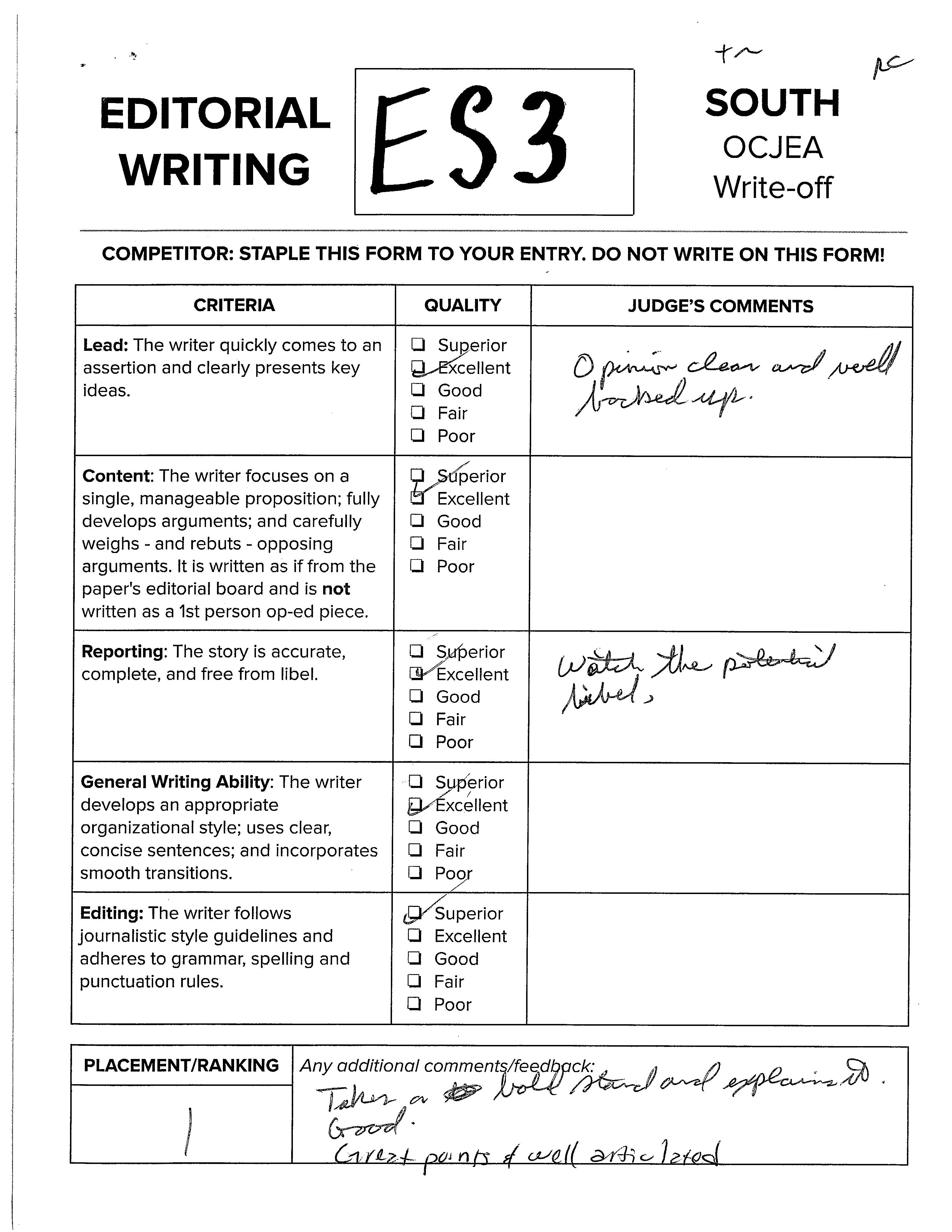
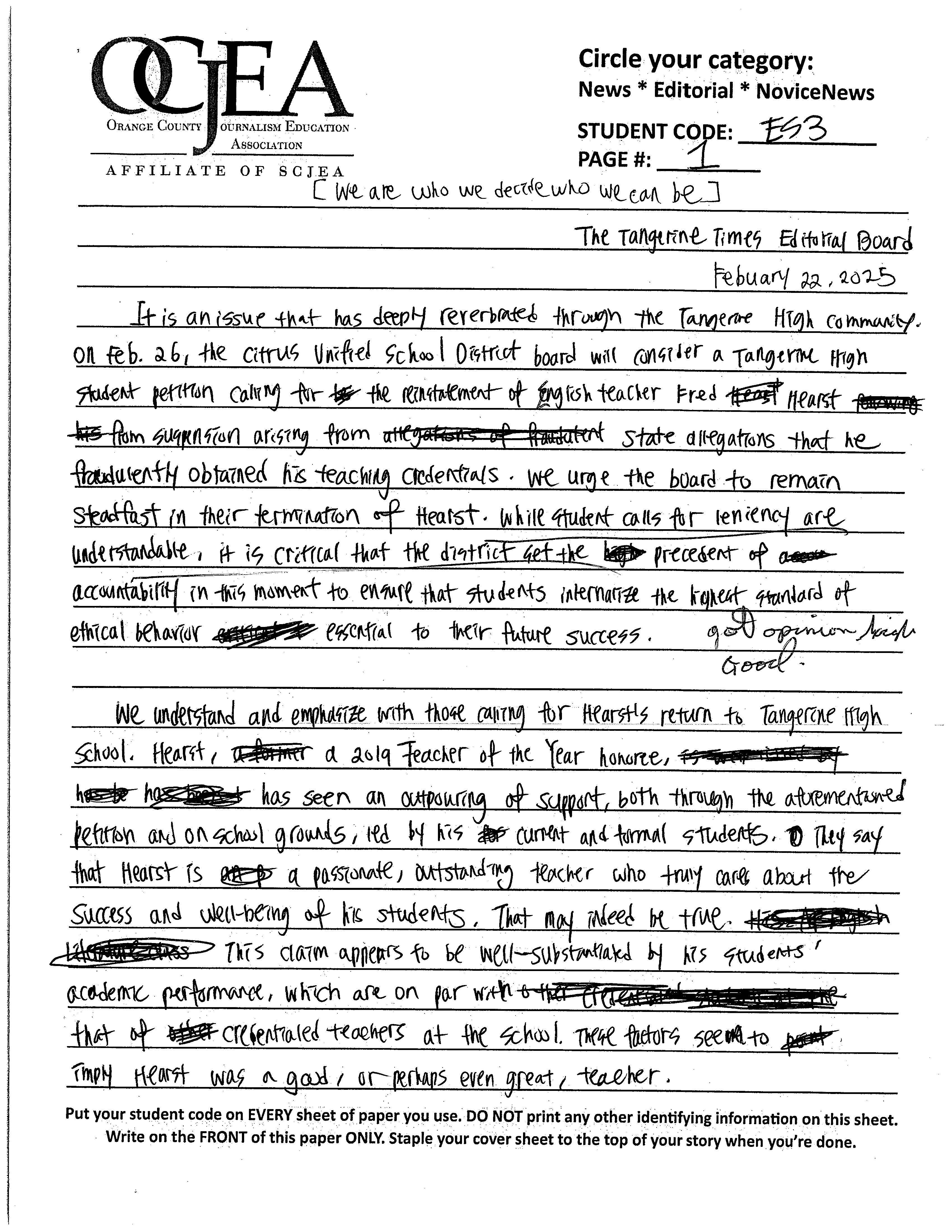
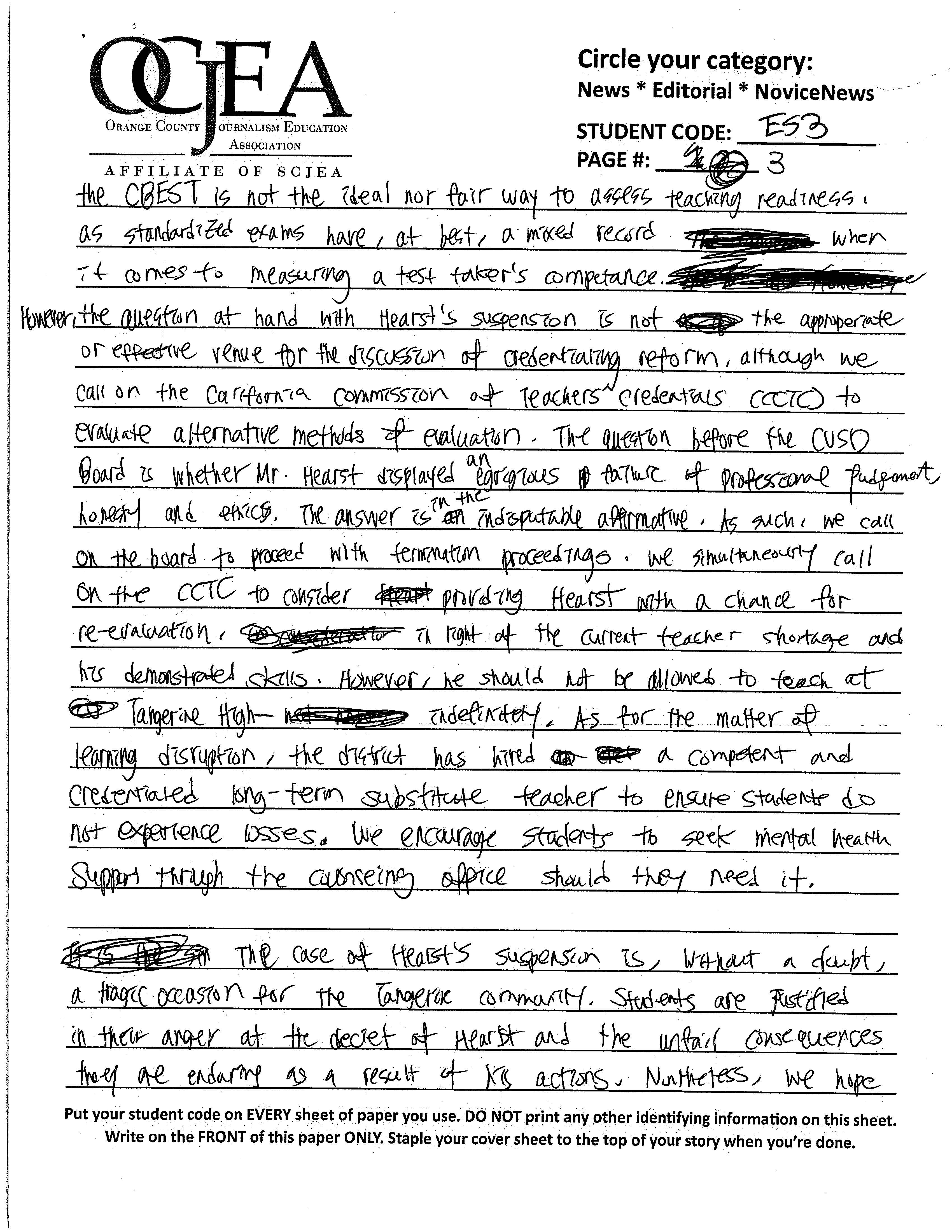
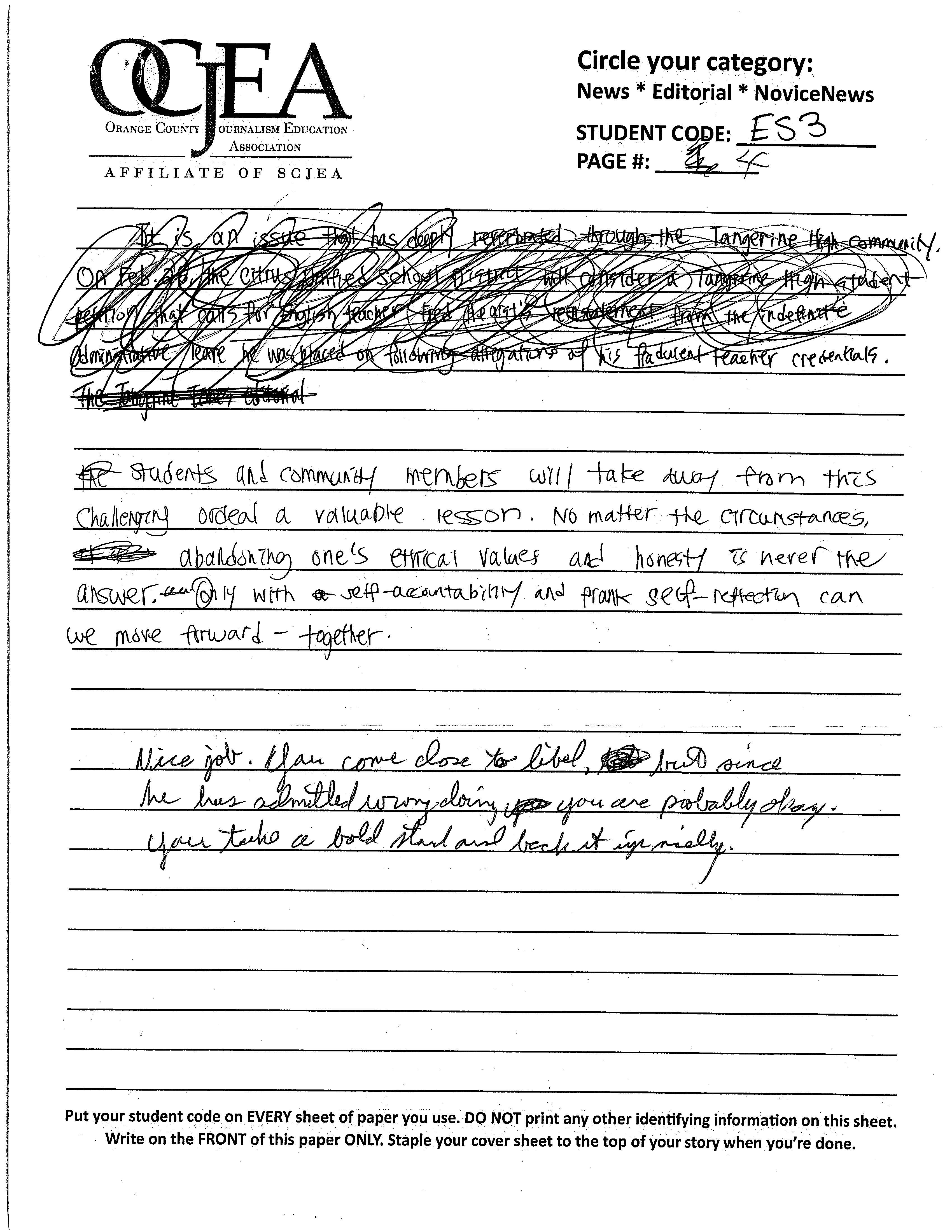
Editorial Winning Entry by Hope Li, Sunny Hills
Removing book titles addressing racism doesn’t add up — that’s the truth
One plus one will always equal two.
In America, in Brazil and in Canada — one plus one equals two.
In 20 years, one plus one will still equal two.
Thus, truth stands despite time and culture.
In America, as students recite the Pledge of Allegiance in their schools, we must affirm the same truths of “liberty and justice for all” even if 100 years pass.
But on Feb. 19, after over four weeks of discussion without a consensus in an ad hoc committee, Citrus Unified School District [CUD] superintendent Alice Carleton decided to remove from the district’s reading list four mandatory novels and one supplementary one in response to a Jan. 6 complaint from a parent that one of the books prompted students to use the N-word to bully her daughter.
These books include Harper Lee’s To Kill a Mockingbird, John Steinbeck’s Of Mice and Men and Mildred D. Taylor’s Roll of Thunder, Hear My Cry as mandatory reading books. Mark Twain’s The Adventures of Huckleberry Finn is a supplemental book teachers may choose to teach.
“In 2019, my daughter, who was an 8th grader at Tangerine, was taunted by two other boys in her class who called her the N-word repeatedly [after hearing] the word in class during their reading of Roll of Thunder, Hear My Cry,” Constance Helling said in her complaint. “Students of color should never be forced to sit through a conversation in which this vile and hurtful word is used.
“Our Black children are facing potential harm in the very classrooms that are supposed to represent safe environments in which they can learn and grow.”
Under Carleton’s new decision, the five books altogether will make up an enrichment list that students can read independently or in book clubs facilitated by a teacher. Instructors cannot read these books in their curriculums or even say the N-word out loud.
But if students cannot say the N-word or even address novels with derogatory language in them, students cannot confront the prejudice in our past.
Helling and Carleton fail to understand educators’ roles in exposing and condemning this language. Saying the word in class, or at least addressing it, will help, not hurt, students in understanding why saying the word is an offense to Black people, and will facilitate discussions about empathy and equality in response to racism — lessons with truth in them that will withstand the test of time.
Yes, Carleton did not ultimately ban these books — in fact, she repeatedly stated that the CUD will not ban or censor books or language, but students must grapple with America’s ugly history, as Tangerine High School English teacher Donna Bennett wrote in a letter to Carleton on Feb. 12.
“If students are to be taught critical thinking as the current educational standards require, they need to be exposed to materials that may make them uncomfortable from time to time,” Bennett said.
At the press conference, Carleton said the district would release a new reading list before the end of the school year, as well as offer professional development for teachers in educating students about race and racism.
This would help instructors, but including books such as To Kill a Mockingbird on the reading list would guarantee them an opportunity to apply their knowledge from the development sessions.
The Citrus Unified School District must continue to educate its students of the truth in America’s past. We must reconcile our racism-, prejudice-, hate-filled past in acknowledging texts such as Harper Lee’s To Kill a Mockingbird, John Steinbeck’s Of Mice and Men, Mildred D. Taylor’s Roll of Thunder, Hear My Cry and Mark Twain’s The Adventures of Huckleberry Finn.These novels speak truth — lessons of history that stand the test of time and shed light on racism as a horrendous plague. These novels encourage students to confront and condemn racial prejudice in their own lives, issues that still unfortunately remain today.
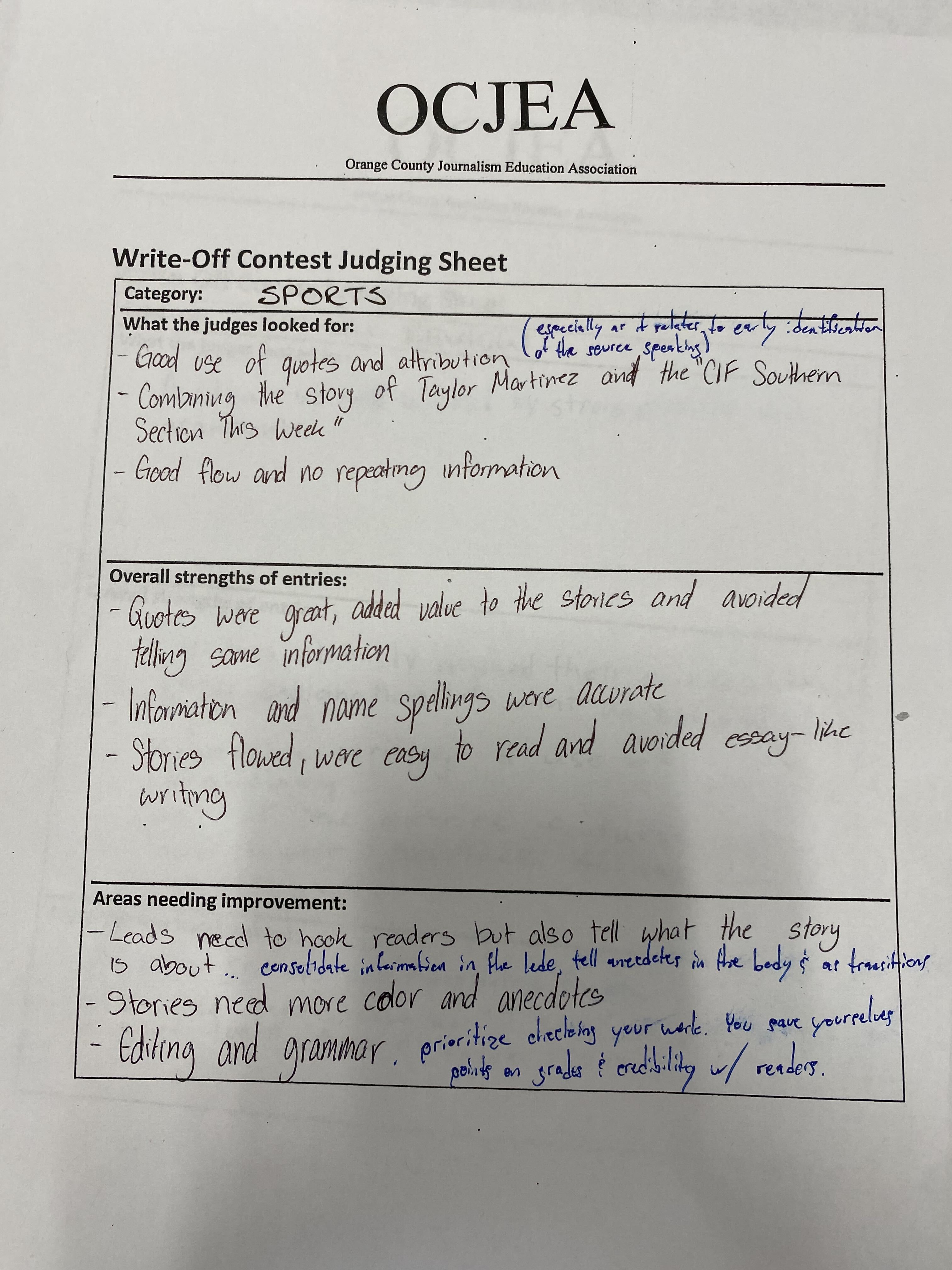
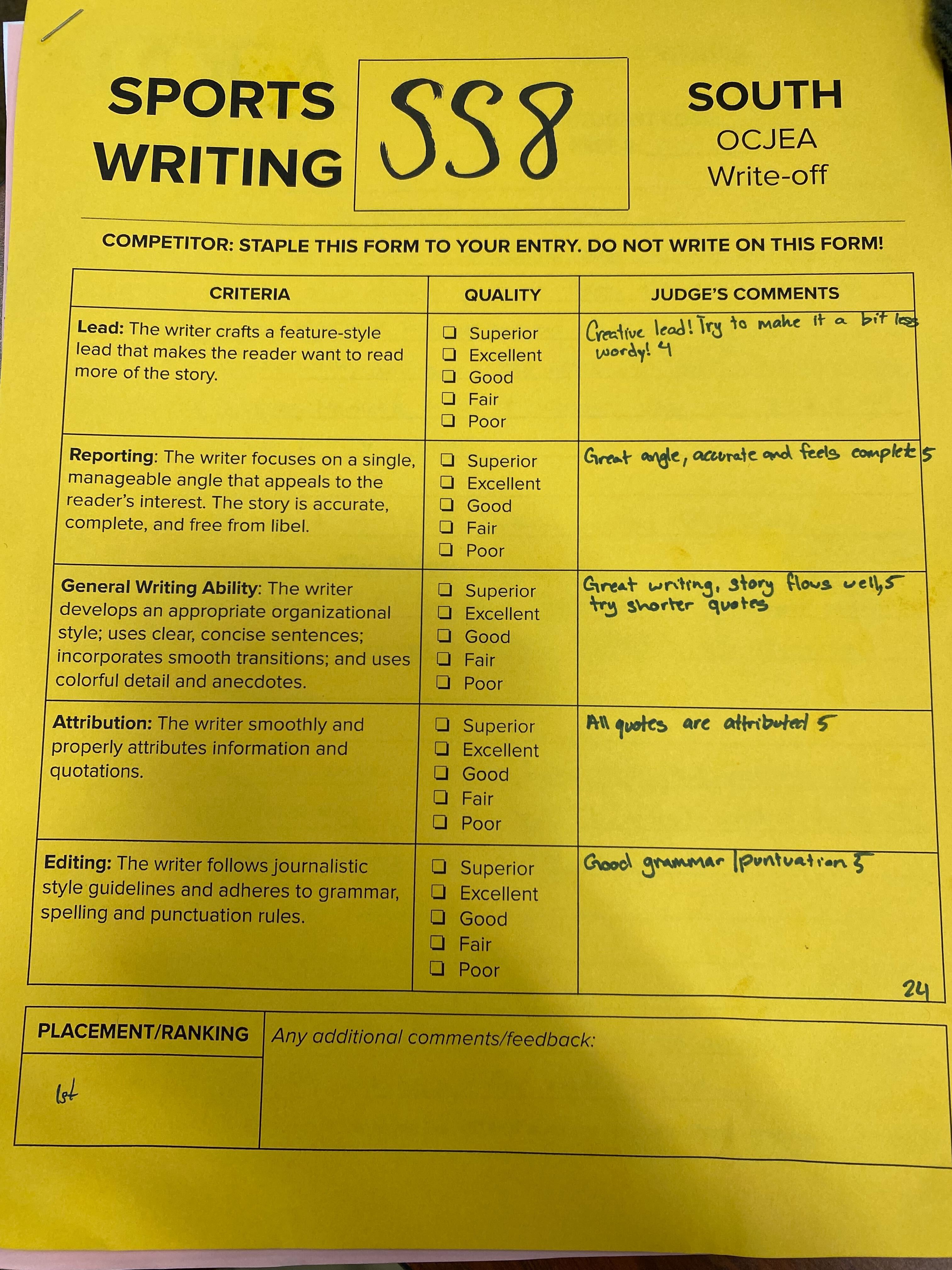
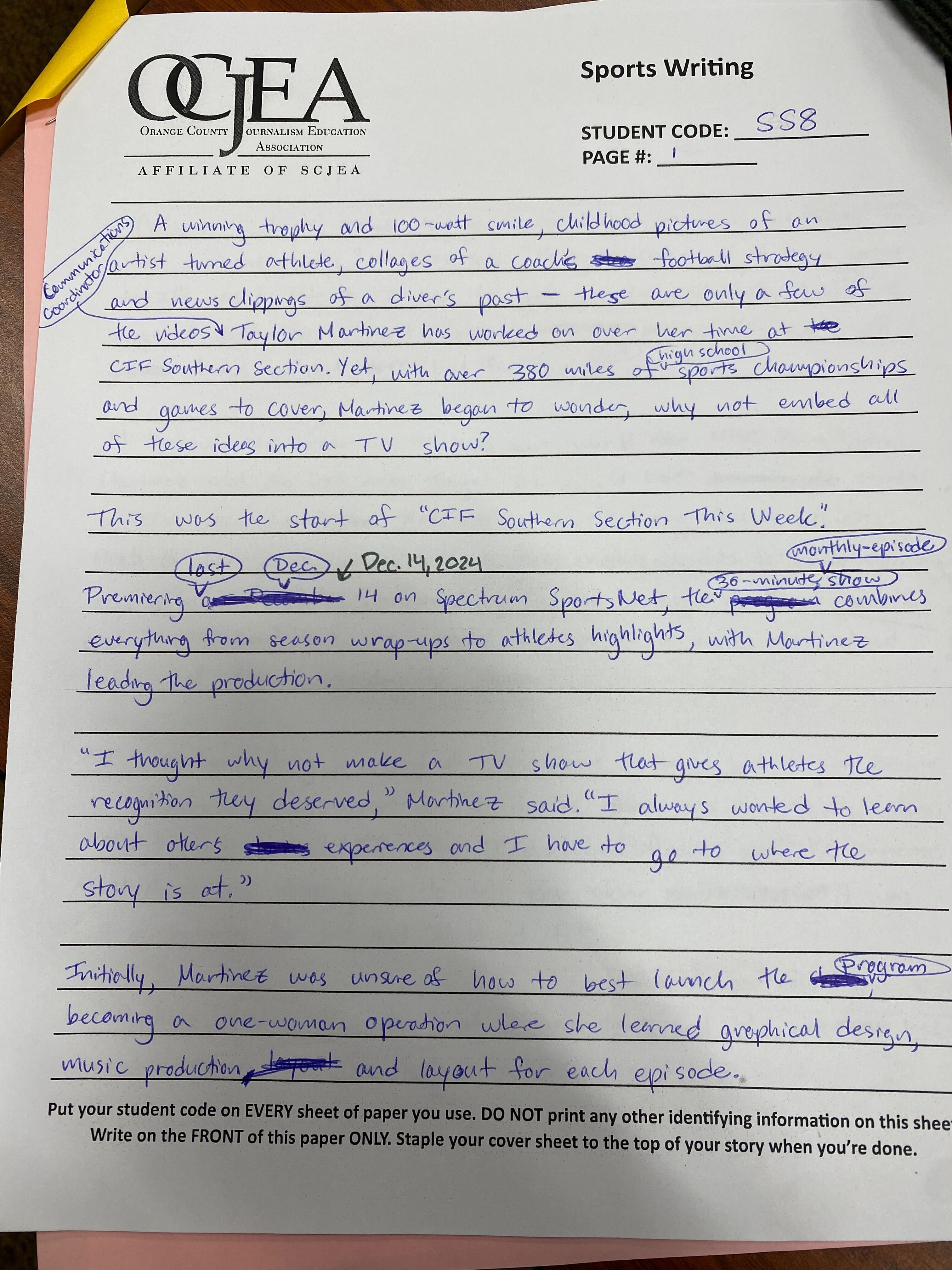
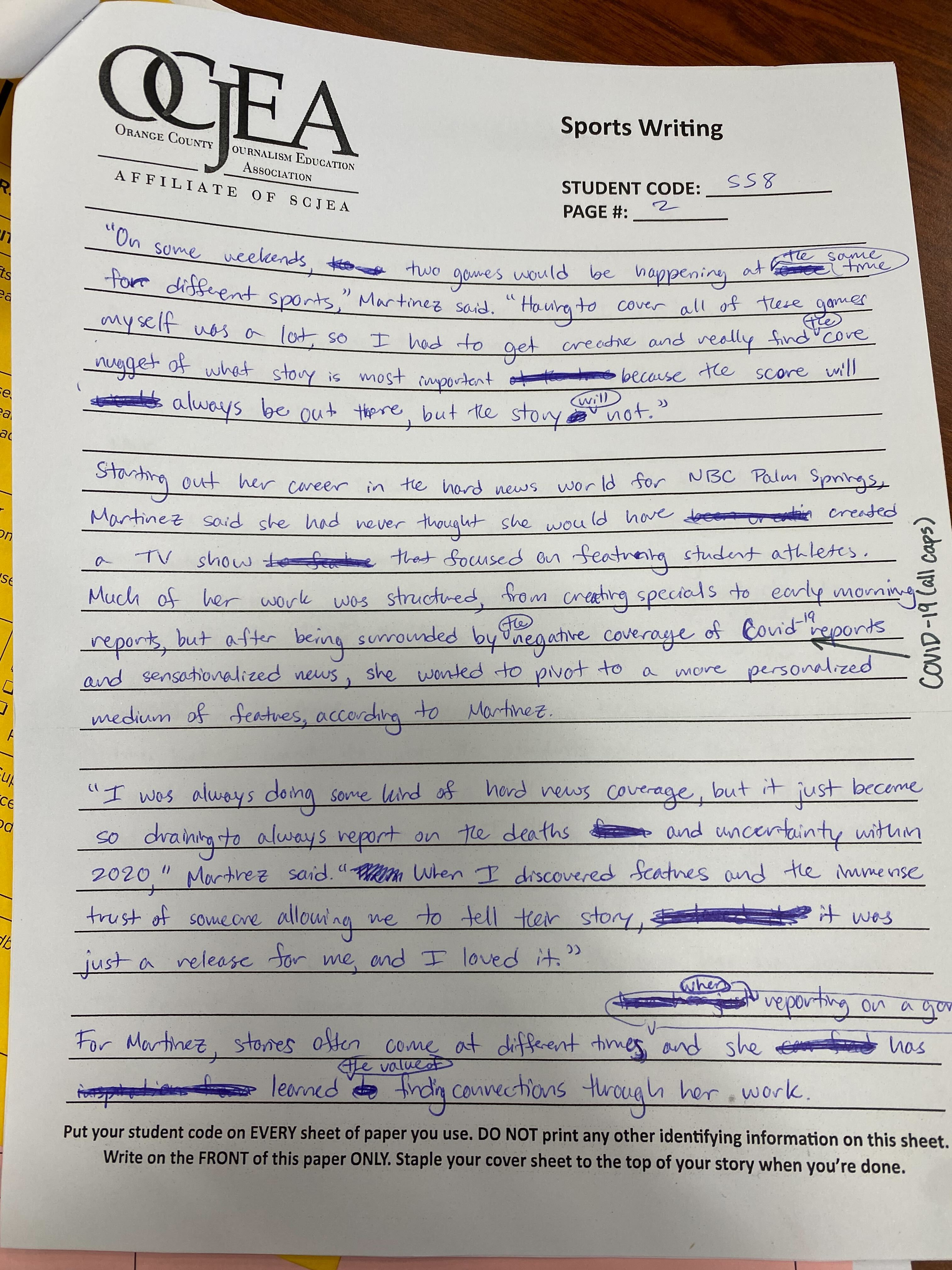
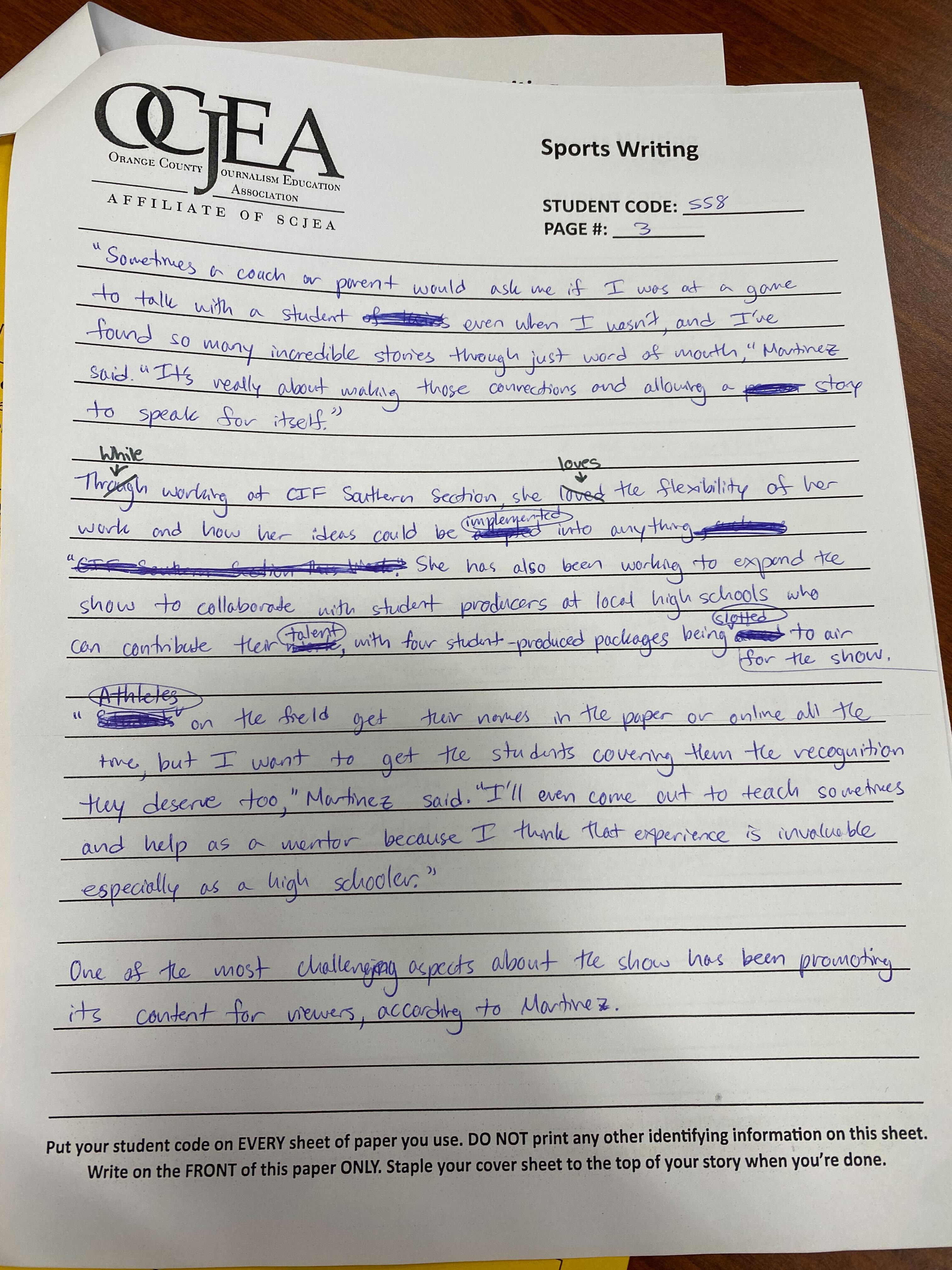
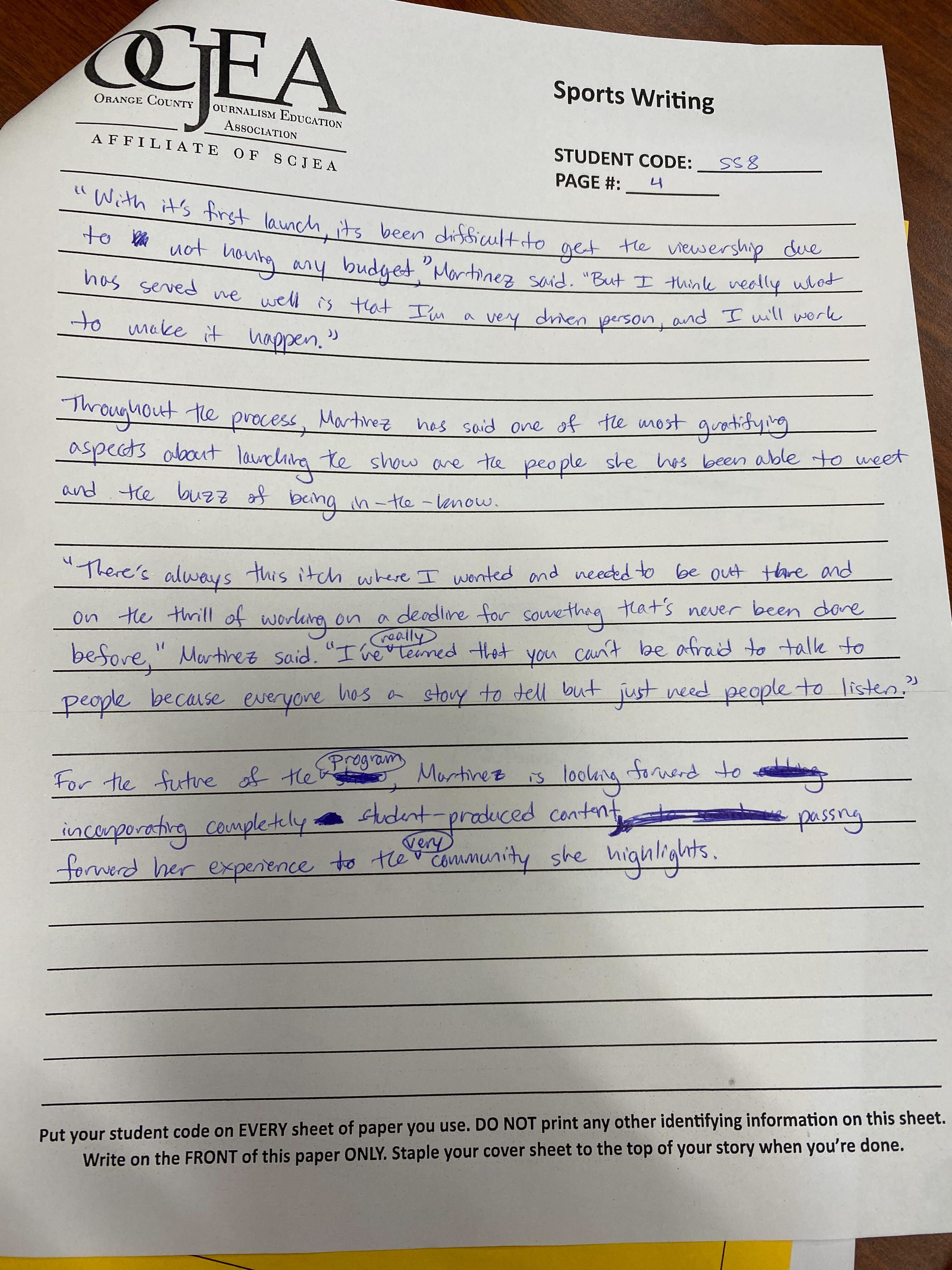
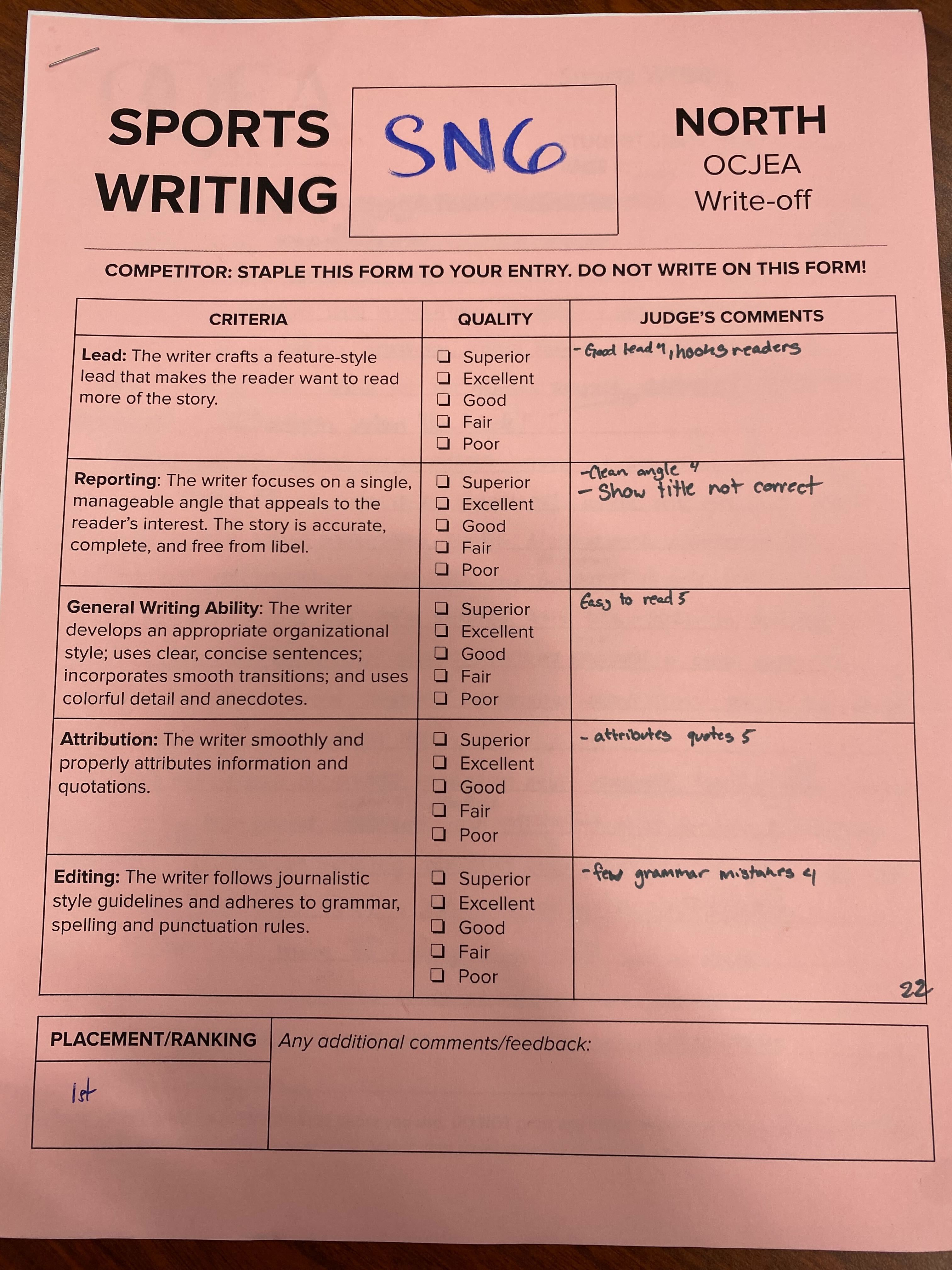
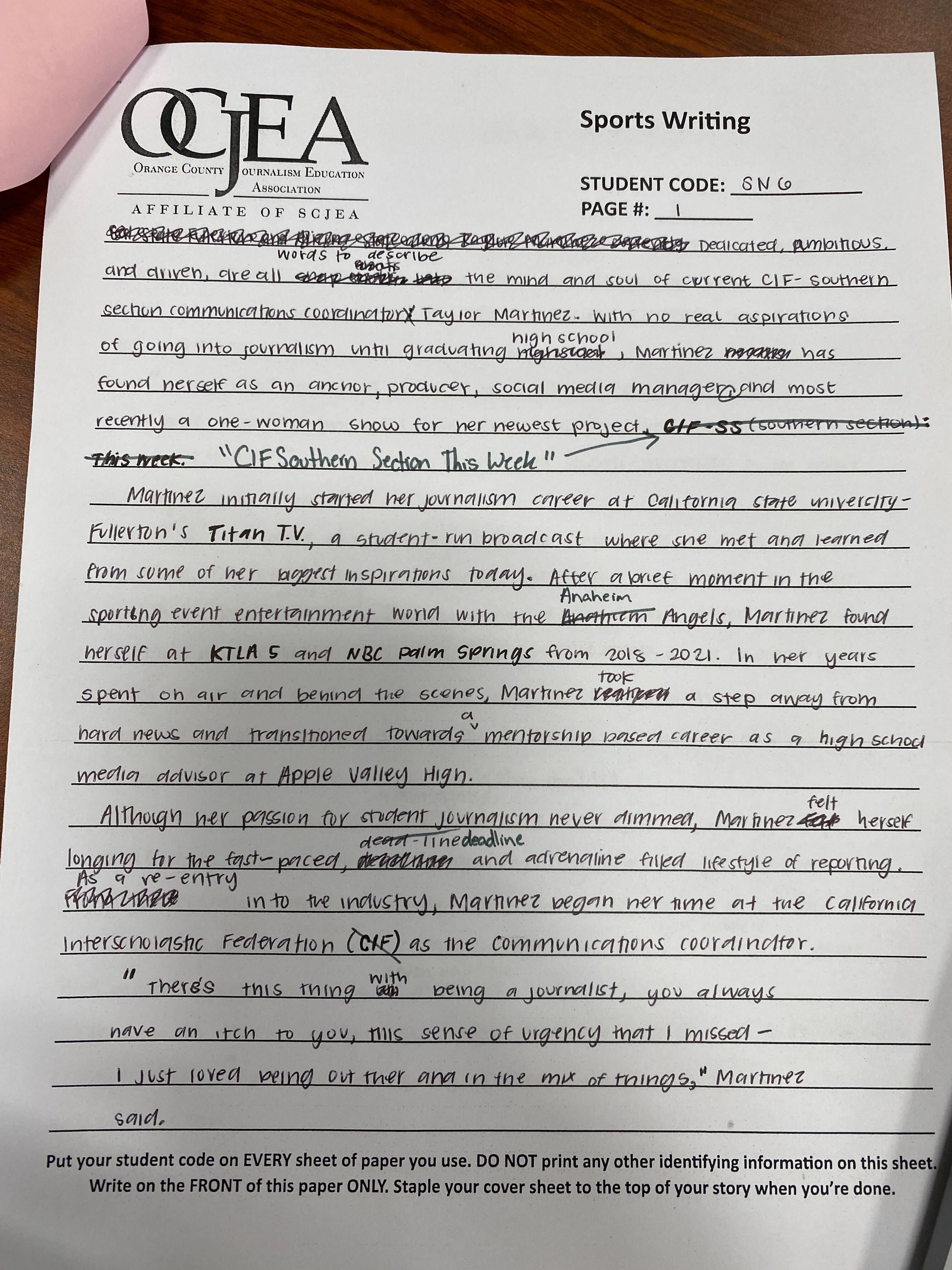
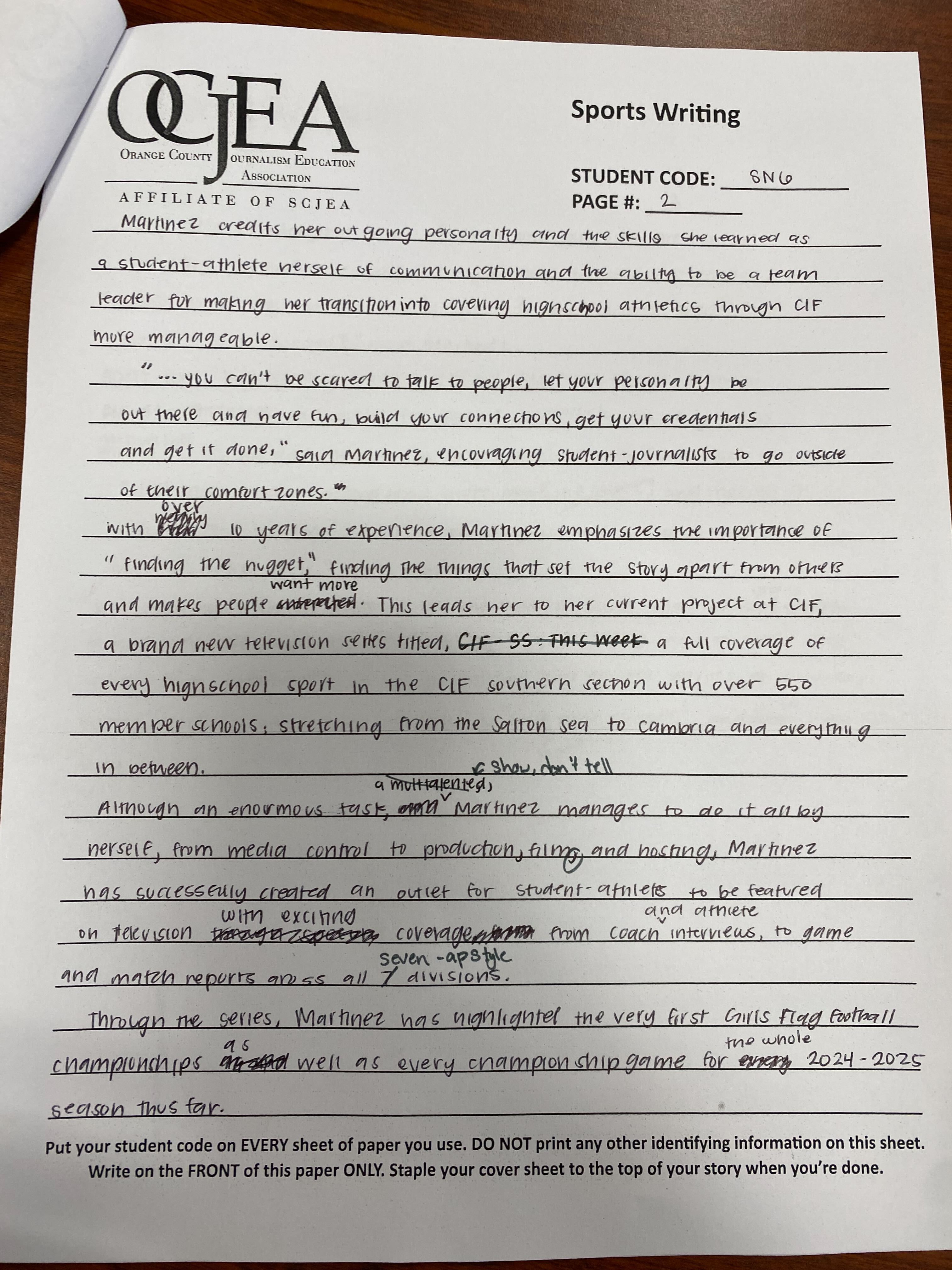
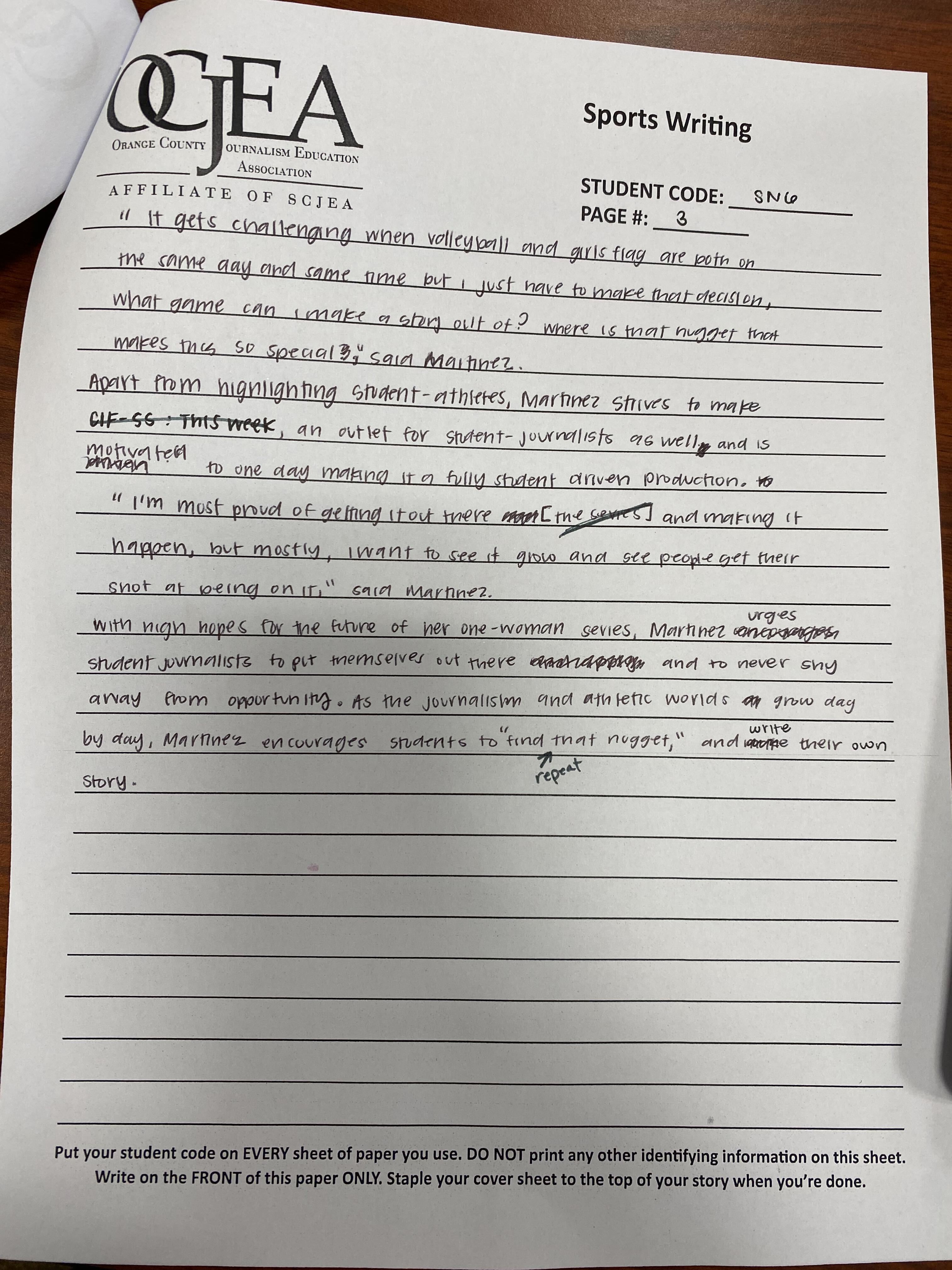
Sports Winning Entry by Justin Hsieh, Fountain Valley
It’s April 2020. Across the world, businesses are shuttering, schools are closing, fans are getting their concert tickets refunded. Baseball, tennis, track and field—all are cancelling games, matches, meets. As the COVID-19 pandemic shuts down fields, courts, and gyms, athletes, coaches and fans alike see their seasons slipping away.
But for James Fraser-Murison, things are just getting started.
For Fraser-Murison, a teacher at Queen Mary’s College (QMC) in Basingstoke, England, April 2020 is the beginning of something he’s worked for years to make possible. A chance to pioneer, for the United Kingdom but also for the world, the next step in the development of the world’s newest, fastest-growing, and—to Fraser-Murison—most exciting sport:
eSports.
In April 2020, Fraser-Murison was about to debut the United Kingdom’s first ever national eSports degree curriculum, and to have a front-row seat to the pandemic-facilitated explosion of an industry that many people would be exposed to for the first time thanks to the online landscape of life in 2020. For Fraser, however, the eSports wave was something he’d been riding for much longer.
“For the past three or four years, every time there’s been a break between classes, I’ve seen students less and less inclined to run to the vending machines, and more likely to stay and log onto YouTube or Twitch [to watch online gaming],” Fraser-Murison said. “So there was an obvious engagement, an obvious interest there.”
For Fraser-Murison, a lifelong gamer himself (currently enjoying Assassin’s Creed: Valhalla, he says), that observation was fascinating—and it inspired him to dig a little further.
“To be able to relate to my students, and to understand their joy in playing or watching eSports, it was really something,” Fraser-Murison said. “So I did a little research, and realized that there was a lot of money and interest there, so I decided to try to work it into an enrichment program.”
In the United Kingdom, enrichment programs are voluntary activities offered by college teachers to students in their free time, for ‘fun’ subjects ranging from film to music. Fraser-Murison said that at QMC, enrichment programs often drew 30 or so student signups, and around 10 would actually be available to show up and participate.
“With eSports, we got 65 students willing to wait an hour after college,” Fraser-Murison said. “So I spoke to Hewlett-Packard, and they gave us a student discount on 20 gaming rigs.”
QMC eSports was born.
Since then, Fraser-Murison’s program has expanded dramatically, and QMC has invested £250,000 ($350,000) in developing its own eSports Arena, a first-of-its-kind college space in the United Kingdom that includes two labs home to several dozen gaming rigs each. QMC has also collaborated with companies and brands including Hewlett-Packard (HP), Guild, Belong Gaming Arenas, and Yoyo Tech.
“I think [these collaborators’ investments] just go to show the importance of eSports within education,” Fraser-Murison said. “These people are aware of that, and that’s why they’re working with QMC.”
Fraser-Murison’s recognition of the importance of eSports not just for competition and entertainment but in education, as well, led him to the next step in his journey to push the boundaries of British eSports. Throughout 2019, Fraser-Murison worked to develop the first-ever eSports degree curriculum approved by the United Kingdom’s Business and Technology Education Council, and in Jan. 2020 it had been finalized and ratified at a national level. After its initial embargo unwound in April, the curriculum looked set to elevate eSports to a new level in the United Kingdom.
Then came COVID-19.
“It was really tricky to advertise because just when we were able to get started in April was when COVID-19 hit the United Kingdom,” Fraser-Murison said. “So I was trying to launch a brand new course entirely online, and trying to do that initial setup without physically meeting people and without getting to communicate with people who didn’t already know about it was difficult.”
Fortunately for Fraser-Murison, he was able to get 27 students to enroll in the course, an impressive accomplishment for a virtual debut. It was the beginning of a series of successes that eSports at QMC would pull off during the COVID-19 pandemic. The next? An international Rocket League tournament, played against students from James Monroe College in the United States.
“As a member of NASEF [the North American Scholastic Esports Federation], I was approached by a colleague in America who’d started at about the same time as me,” Fraser-Murison said. “We’d had all of our stuff in the UK cancelled, so when he reached out to me and asked if I fancied a Rocket League tournament, I thought ‘why not?’”
The tournament was a success, and QMC proceeded to organize a national Overwatch tournament for charity involving the British eSports Association and schools in Coventry and Swansea. Meanwhile, the success of QMC eSports has been reflective of the broader way in which eSports has been uniquely suited to rise to the moment in a virtual world.
“I think what Fortnite is doing, by hosting virtual concerts with musicians, is genius,” Fraser-Murison said. “And I think more and more, after COVID-19, we’ll see more musicians jumping onto the bandwagon there.”
And as eSports’ recognition grows, it stands a chance at achieving greater awareness not just as a means of entertainment, but as what it is–a sport. The QMC eSports Arena has a café and classrooms for yoga and pilates. Professional eSports players have coaches, nutritionists, physiotherapists. An Olympic eSports inclusion, Fraser-Murison says, is not just possible, but likely.
“The audience is there,” Fraser-Murison said. “It may not be recorded in a traditional way, but it will go on to be greater than traditional sports.”
Whatever happens, he will be there.
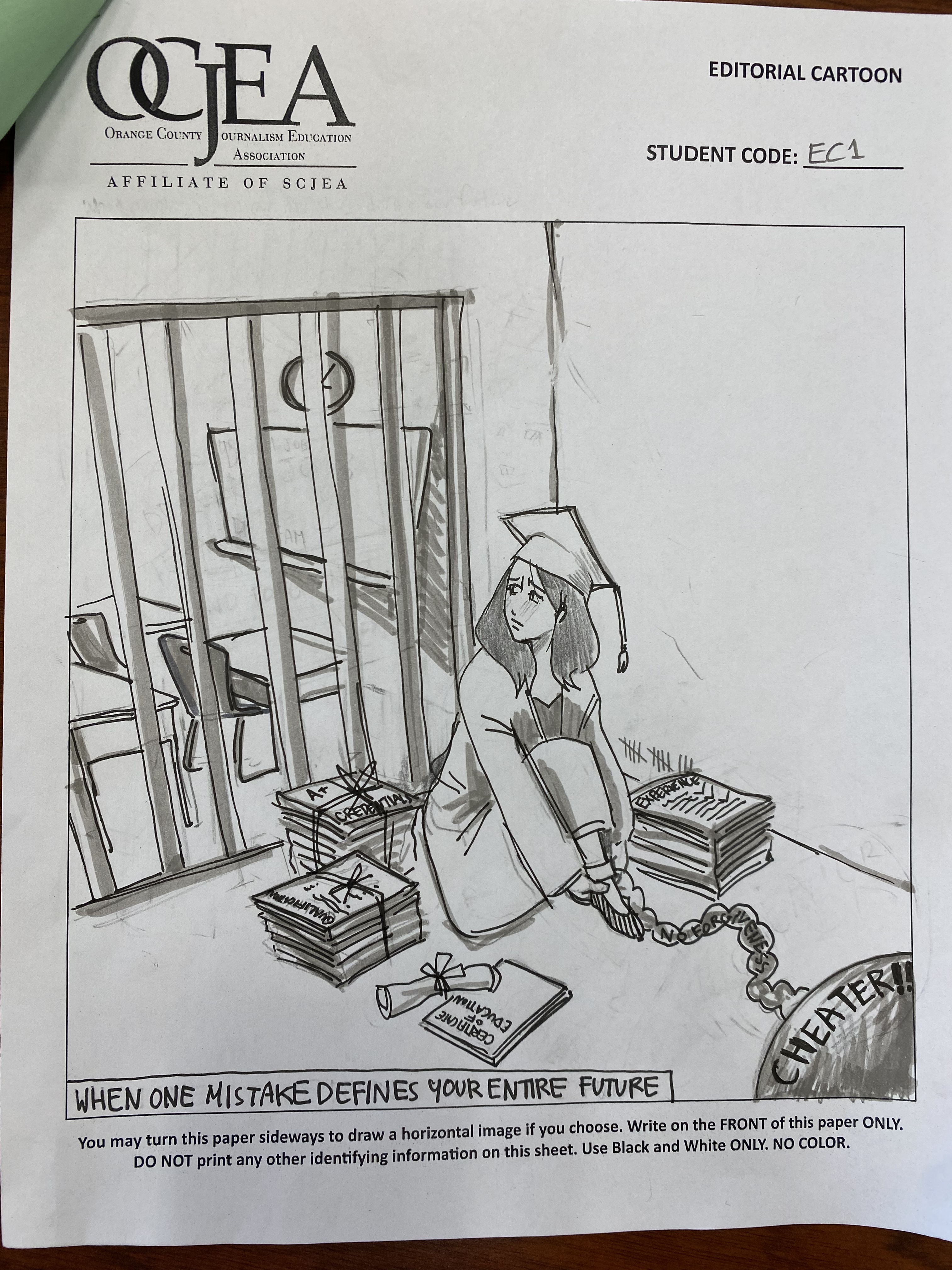
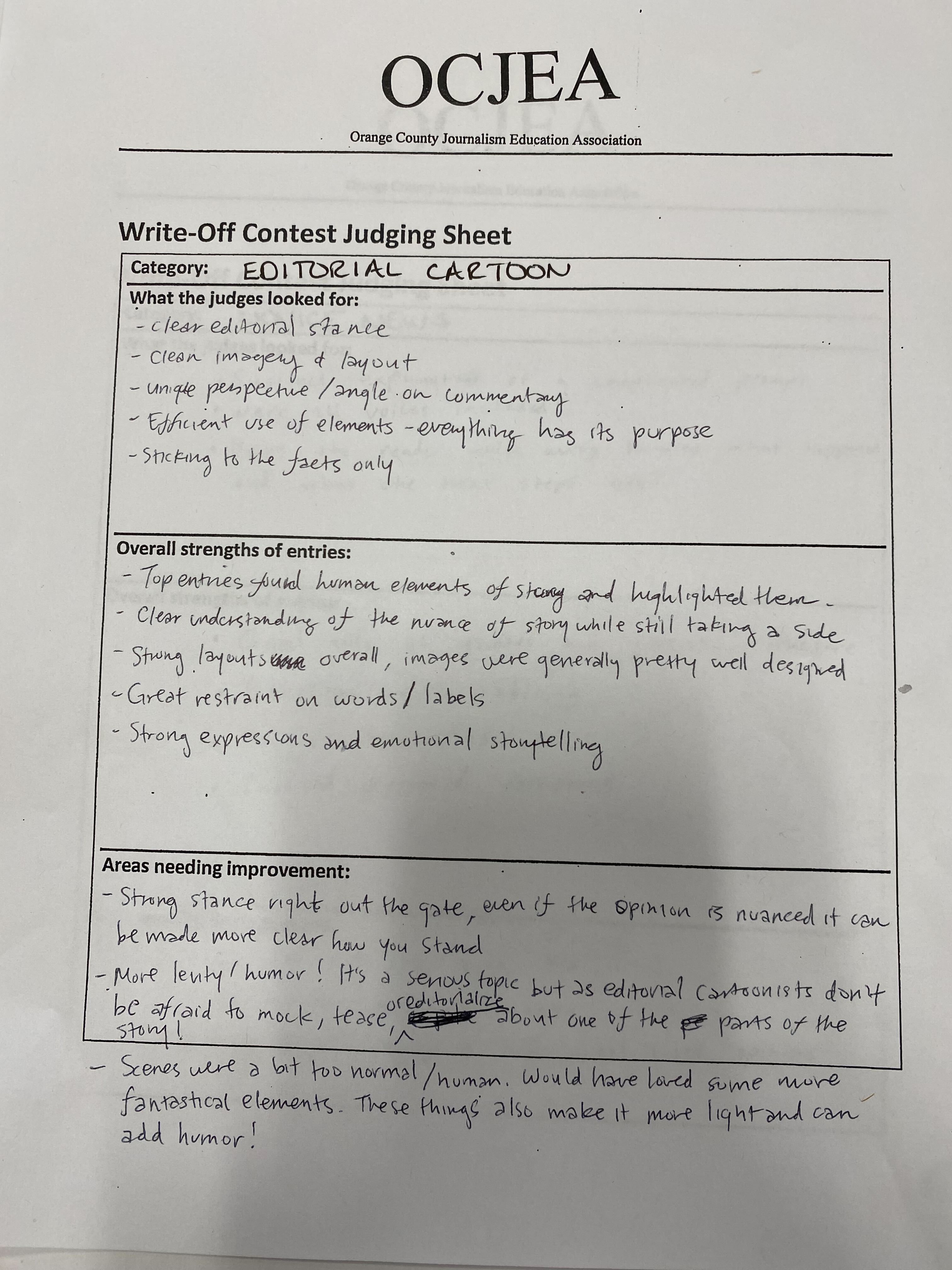
Winning Editorial Cartoon by Angela Xia, Oxford
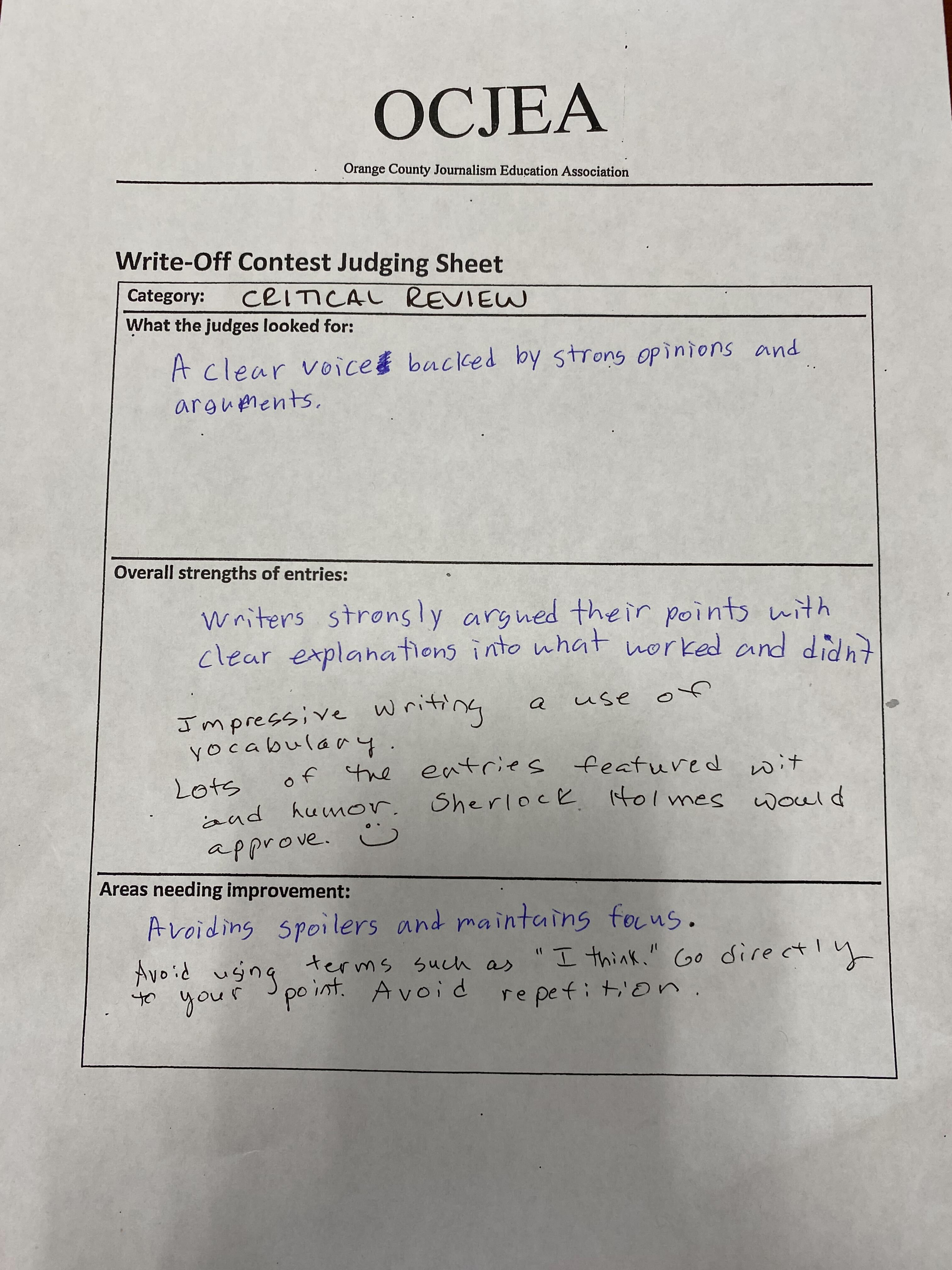
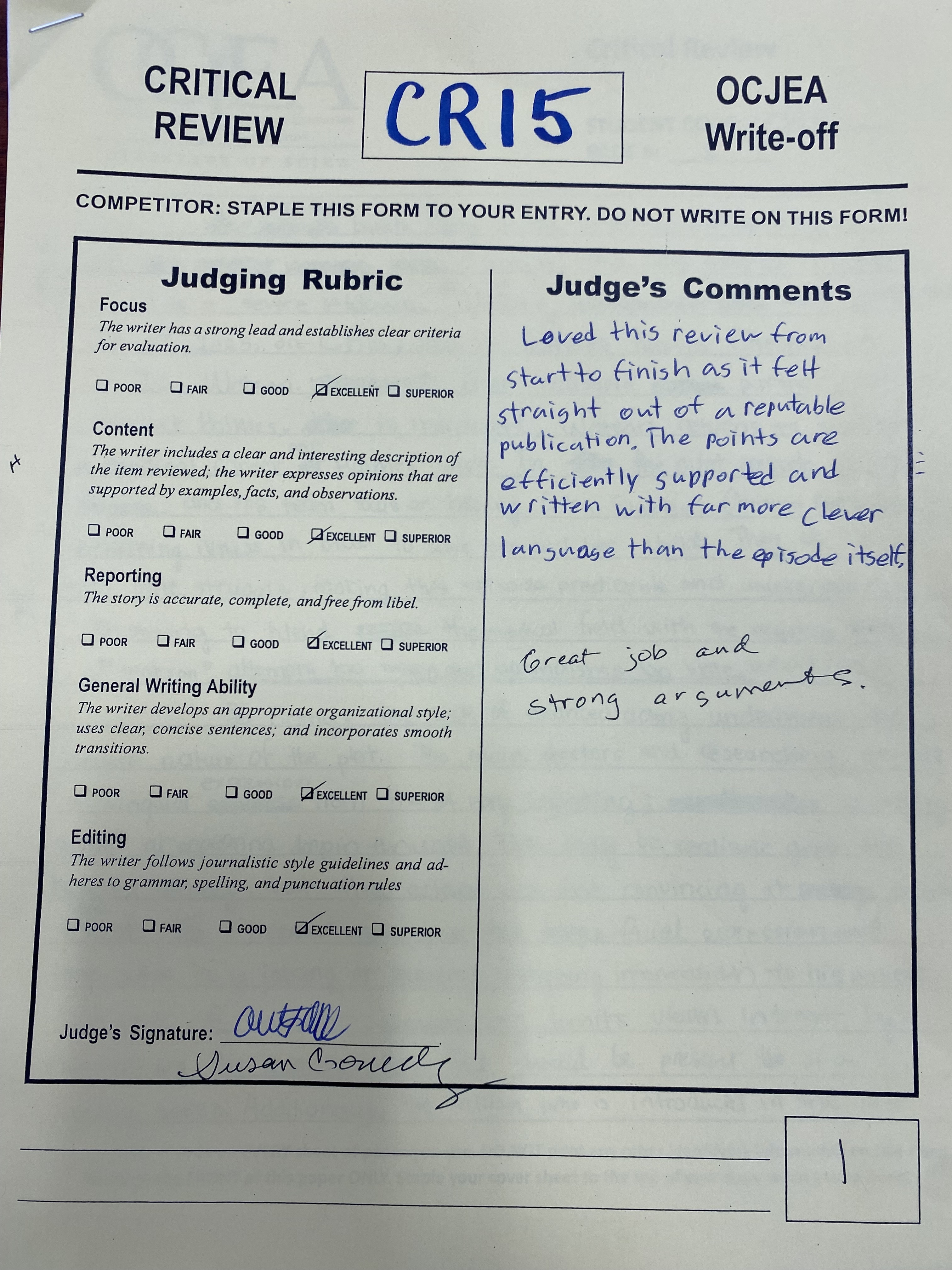
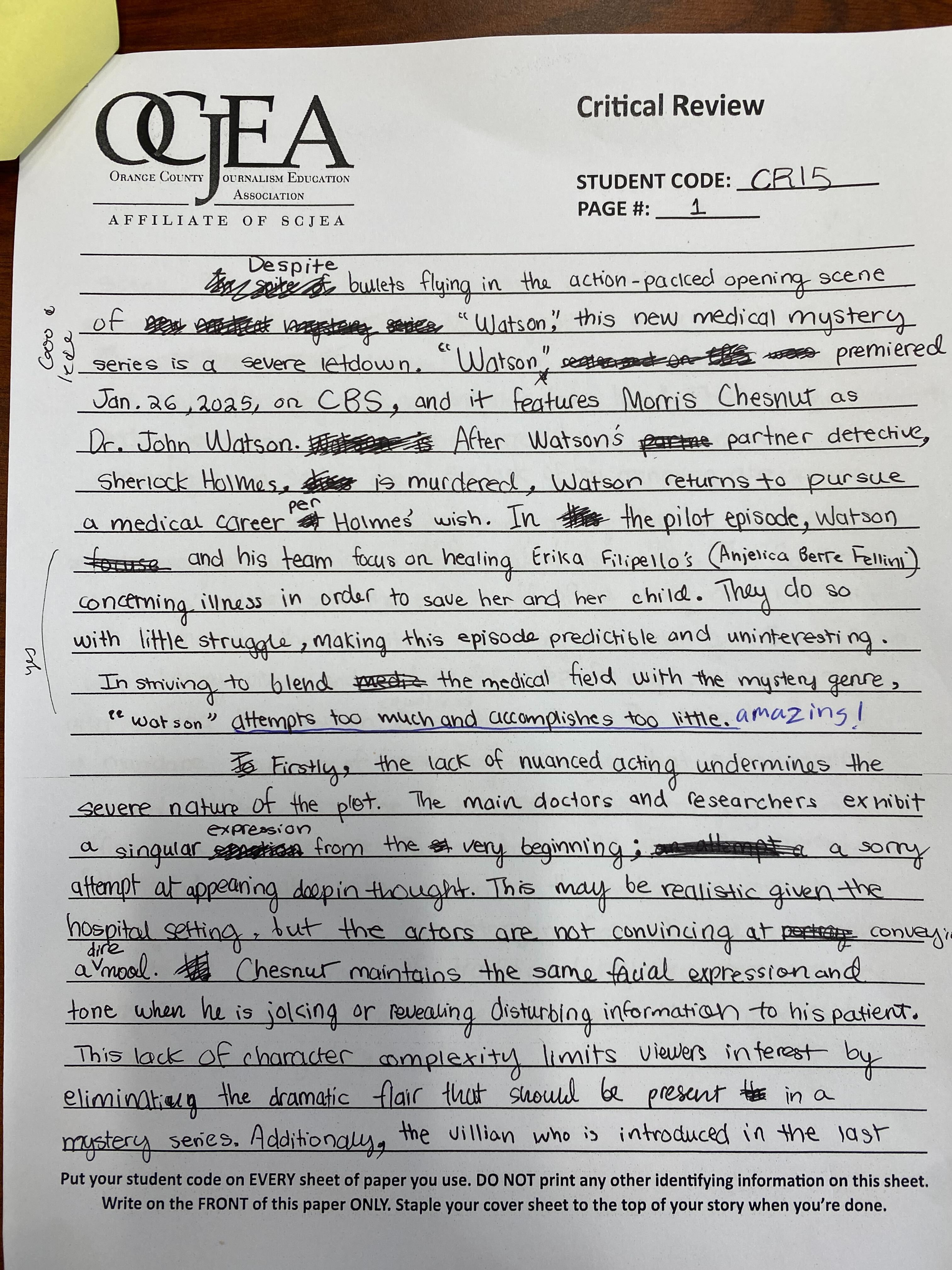
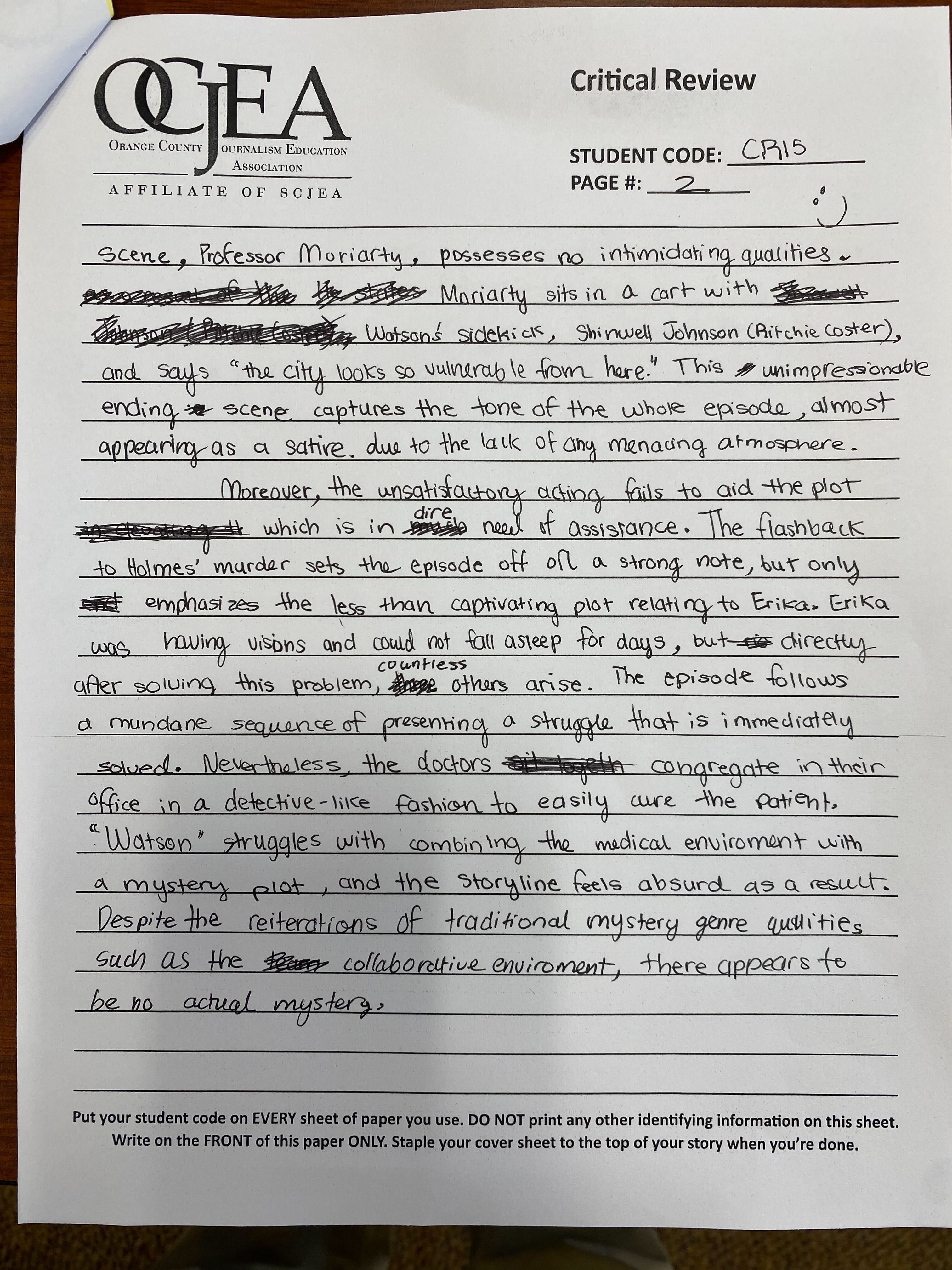
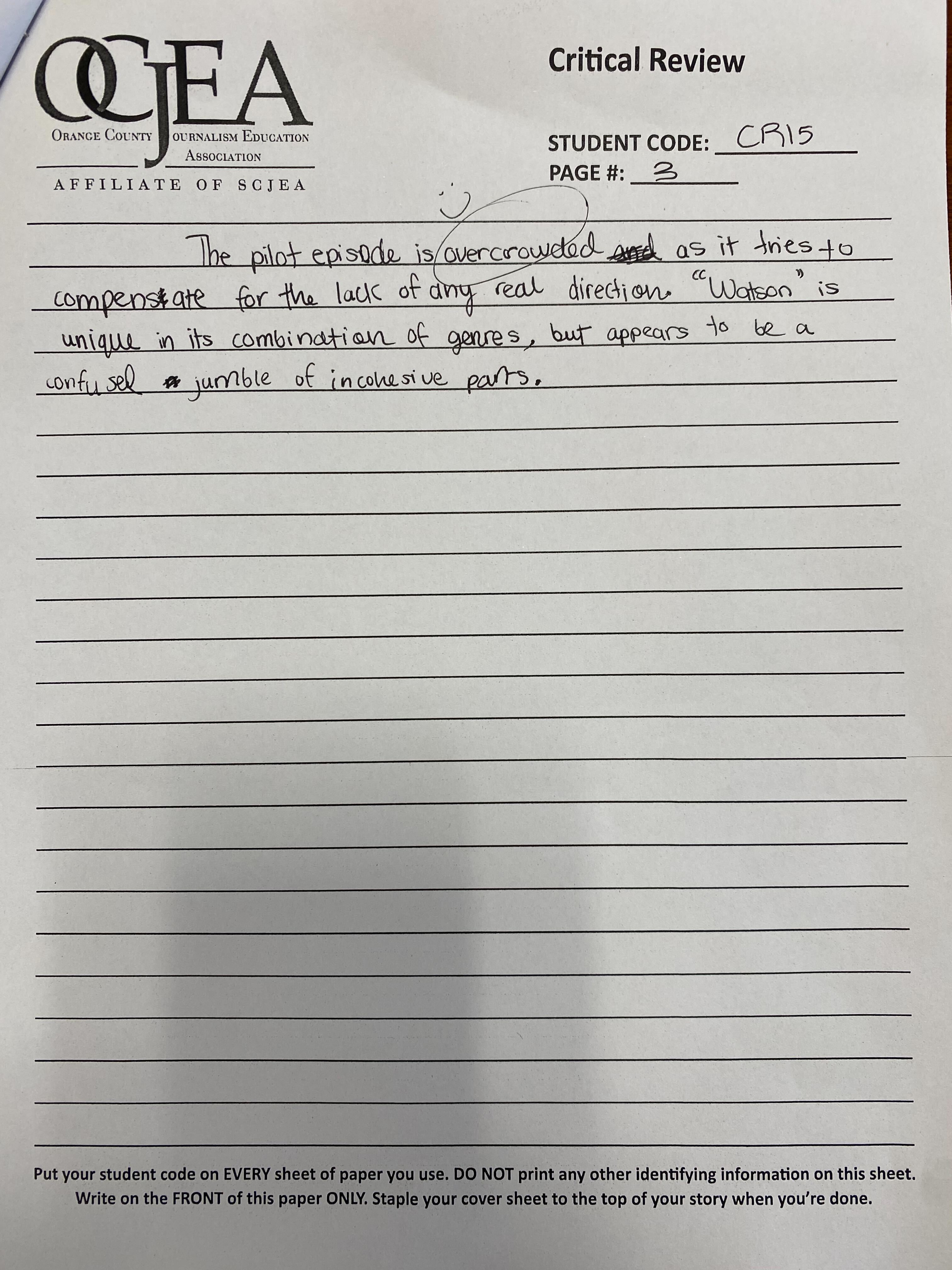
Winning Critical Review by Jade Bahng, Troy
“Amazing Stories” left in the cellar
Teenagers these days are eager to delve into a love story—especially if it spans across the centuries—however, Chris Long’s rendition of “Amazing Stories” left the audience cringing at the “cliché millennial’s” attempt at mixing romance and science fiction. On March 6, 2020, Apple TV+ released a reboot of the television show from the 1980s: “Amazing Stories.” It must have slipped the producers’ minds that creating a reboot demands more than simply copying the all-too-familiar science fiction stories of the past while simply switching out the actors to familiar faces of the 21st century. The pilot episode, “The Cellar” doesn’t necessarily invoke a nostalgia for old-time shows or an excitement to be immersed in a world of mysteries; it rather makes the audience want to bury the show in the basement of their memories.
Perhaps the most important aspect of a show’s success is its actors and actresses, as they set the mood and progress the plot of the story. But despite being excited to see familiar faces such as Dylan O’Brien and Victoria Pedretti, watchers were disappointed by the cast’s highly exaggerated and awkward acting. It seems as if actors were reading directly from textbooks, their monotonic voices reciting clichés such as “if this life isn’t for you, then find what is.” Overused platitudes prevented audiences from focusing on the plot but rather made them concentrate on concealing their giggles for the awkward character interactions.
Not to mention, the build up of the story was confusing and to be frank: too obvious. Writers could not naturally incorporate key points of the story into the script, instead straightforwardly explaining inferrable details such as Evelyn’s engagement and the time capsule concept. This inability to integrate main points prevented the audience from forming their own opinions and inferences about the film, therefore decreasing their interaction with the film. Leaving nothing to the audience’s imagination—which is a key component of science fiction—effectively ostracized “The Celler” from all genres, not for its unique innovation, but for its lack of defining themes. In focusing too much on minor details, the foundations of the main plot were compromised. There were many too many instances where the audience expected a climax, whether it be when Evelyn and Sam were separated or when Sam supposedly drowned. After a few surprises, these “fake” climaxes did little to keep audience members on their toes but more to make them wonder when the episode will finally end.
Because “Amazing Stories” is the modern day reboot of a 1980s classic, directors and producers clearly tried to incorporate modern-day important issues of gay marriage, adoption and gender equality. However, “The Cellar” reeks of tokenism as the single gay character, Jake, is only mentioned as a background character and dumbed-down into the stereotypical gay character: a manly character with feminine roles of cooking and cleaning. Not only do the producers fail to encapsulate the reality of a gay man and replacing him with a stereotypical persona, they throw him around into random holes in the plot as if to promote their minimal effort at inclusivity. The show’s attempt to address gender inequality in the 1900s is also proven ineffectual, as Sam, who initially pushes Evelyn to follow her own dreams, later becomes the generic dominant male lead as he tries to decide her fate for himself. Giving credit where credit is due, however, the show did surprise audiences with a long-awaited divergence from the cliché love story. By replacing the expected happy ending with a bittersweet acceptance of long-gone love, the producers are able to highlight one valuable lesson: everyone finds their own place in life.
Of course, the final ending hinting at an infinite time loop and saccharine love story makes audience members let out a sigh of relief as they realize they haven’t completely wasted their time on a bad show, but it nonetheless makes one question: did the show really have to be 53 minutes long? To say this pilot episode was boring is an understatement. Not only was it confusing and all over the place, it’s a story that has been reused hundreds of times in shows such as “The Twilight Zone” and more recently, in “Black Mirror.” As compared to these shows that have significantly shorter episodes and actually try to reflect modern day society, “Amazing Stories” gave the audience nothing but a rushed love story and an awkward attempt at teaching a valuable lesson. There was nothing amazing about “The Cellar’s” plot or characters; it would be best left in the past.
Winning Yearbook Copy & Layout by Frances Walton and Alia Noll, Fullerton
Please read the message below from SCJEA President Adriana Chavira
Last night, our board agreed to cancel the SCJEA Student Media Contests planned for this Saturday March 14 at Fullerton College. We have been monitoring the coronavirus outbreak for the past week to determine if we were going to go on as planned for Saturday or postpone. Thank you to the advisers who have reached out and expressed their concerns, as well. Every day, the coronavirus outbreak seems to be spreading and affecting more events. While originally older people were more susceptible to the coronavirus, it looks like younger people are being affected and are in self-quarantine as local colleges & universities are moving classes online to minimize gatherings in public places.
As many of you know, the Columbia Scholastic Press Association spring conference planned for next week was canceled. Some school districts are canceling out-of-state travel, including Nashville for the national high school journalism convention next month. So to minimize any liability or exposure to our students and/or participants and judges, we decided to cancel this contest.
However, SCJEA is working on conducting video interviews for the scholarship applicants. Within the next 24 hours, I will contact the advisers and students who applied to give them an update on this process. California All-Stars winners will be mailed their certificates and plaques. We will post winners on our website soon. Since the photo entries are already in, those can be judged. In the next few days, I will send revised invoices to include any membership fee and photo entries only.
Please share this information with your students. I will also post on our Twitter and FB page later to ensure everyone is notified.

























 OCJEA
OCJEA 